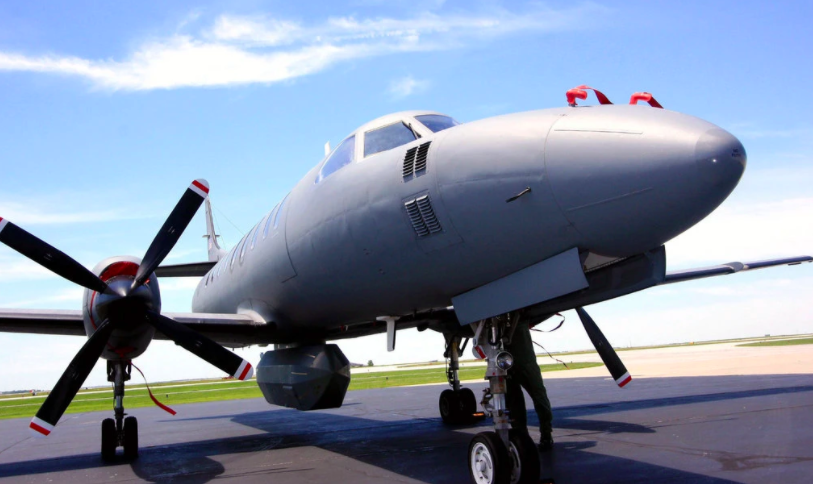
State surveillance of the Black Lives Matter protests over the past three months has caused controversy across the country. State national guards, local police departments, and the FBI have deployed aircraft generally reserved for high profile missions on civilian protests and surveilled over 15 cities protesting the murder of George Floyd. On June 2nd, the Drug Enforcement Administration was granted the authority to “conduct covert surveillance” on civilians.
Since then, surveillance footage has been fed into “the Big Pipe,” a digital network managed by Homeland Security that can be accessed by other federal agencies and local police departments. According to Homeland Security’s “Privacy Impact Assessment,” the data may be stored for up to five years. Access to this surveillance data carries the potential for police to identify, track, and even arrest people who have attended protests, long after the protests have ended. For instance, on June 30th, police in Tempe, Arizona used drone surveillance footage as a justification for the arrest of three protesters organizing a “chalk walk” in support of the Black Lives Matter movement.
However, in all, police departments aren’t the ones primarily requesting access to this surveillance footage. According to the New York Times, most requests come from Immigration and Customs Enforcement (ICE) and Customs and Border Patrol (CBP); both of which have had outsized roles in carrying out surveillance and putting down protests around the country. In West Virginia, for example, the state National Guard used RC-26 aircraft, which are generally used by CBP to monitor immigration and drug smuggling across the southern U.S.-Mexico border. CBP Director Mark Morgan testified on June 25th that, “CBP’s aircrafts can be equipped with cameras, radar and/or other technologies to support CBP components in patrolling the border, conducting surveillance as part of a law enforcement investigation or tactical operations, and respond to other significant incidents as directed.” The link between surveillance and targeted arrests against protesters has come even more into the spotlight this week, as armed CBP officers in Portland were seen forcefully seizing people who had been to protests “from the streets and detaining them without justification.” The state of Oregon is currently awaiting the outcome of a lawsuit against the federal government, meanwhile, the White House has mentioned plans of rolling out CBP officers and surveillance tactics in Milwaukee, Chicago, and other cities.
- Isabela von Dehl
 CIMA Law Group Blog