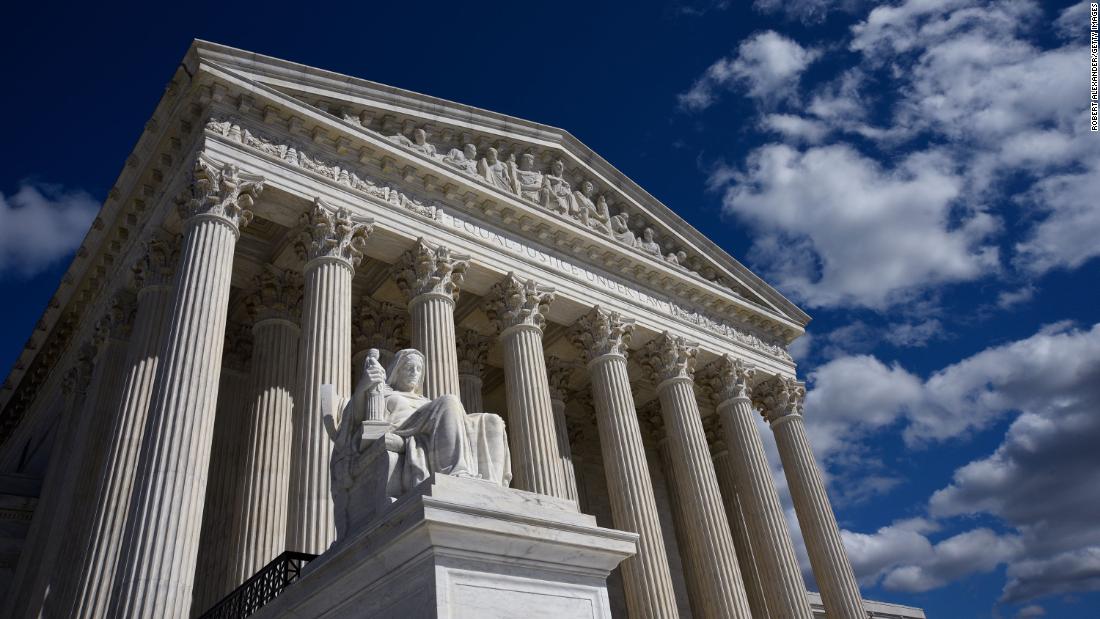
Today, Monday, November 1st the Supreme Court of the United States heard the Oral arguments for the recent Texas Abortion Ban. To provide some context, the State of Texas passed Senate Bill 8 — a law that prohibits abortion after six weeks of pregnancy. In continuance, if a woman receives help when she undergoes an abortion, the person helping her could be sued under S.B.8. As a result of this unprecedented decision, there has been controversy surrounding this issue ever since it became effective on September 1st, 2021. However today, the Supreme Court heard the arguments against the Texas Abortion ban while it remains in place throughout the state of Texas. Although a decision won’t be made for months, it decided to hear the parties before it dictates a direction.

After the hearing concluded, it seems that the court may allow the providers to challenge the Texas Abortion Law, but perhaps not the Biden Administration to challenge it. “Justice Barrett said the law was structured to prevent the providers from presenting a ‘full constitutional defense.'” Furthermore, the purpose of this proceeding isn’t to declare it to be constitutional or unconstitutional but to remit it to the lower courts. It lacked clarity because it allowed the law to remain in place while the case was moving forward. Due to this action, the reality in Texas caused clinics to turn away women seeking an abortion and as a result, they turned to out-of-state clinics.
Moreover, the court will also tackle another case on December 1st that interconnects with this one, where Mississippi will challenge the monumental, Roe V. Wade. Here, the state of Mississippi is eager to urge the Supreme Court to overrule Roe v. Wade on the grounds that it is unconstitutional. Despite these claims, the landmark case is designed to protect the rights of private citizens from restrictions placed on them by the government, which is constitutional. Now although the legal questions in both cases differ, the main inquiry about the extension of governmental powers remains the same. Should the government extend its powers in a case that would not only shut down future cases regarding the protection of the private right, but also enforce a federal restriction that would oversee all women seeking an abortion? The controversy around this question remains as external pressure from both sides of the spectrum seek an answer.
This blog post is part of the CIMA Law Group Blog. If you are in need of legal help, the CIMA Law Group is a law firm in Phoenix, Arizona which possesses expertise in Immigration Law, Criminal Defense, Personal Injury, and Government Relations.
 CIMA Law Group Blog