In the United States, fiat currency is the standard form of currency used in nearly all transactions. It is now fifty-one years since President Nixon executed his bold economic plan to end the gold standard by severing the U.S. dollar’s ties to gold. This transition to fiat currency gave central banks greater control over the economy and monetary policy through their ability to control the supply of money. Today that reality is being threatened by the widespread adoption and integration of digital currencies.
Digital currencies like cryptocurrencies are threatening the efficacy of fiat currency. Now, high volumes of transactions and large sums of currency can be anonymously transferred person-to-person in a split second. This bypasses the need to use traditional financial institutions and currencies such as banks and USD, which may result in heavy fees, long wait times, and tax implications. Coins referred to as “stable coins” threaten to replace the use of fiat currency to make payments due to their ability to maintain a stable value by being backed by stores of fiat currencies. The USD as a currency and a store of value is becoming increasingly unpopular given how digital currencies transcend financial institutions, monetary policy, and tax policy
For these reasons, China and dozens of other nations have completely banned cryptocurrencies or restricted its compatibility with their national financial institutions. These nations fear that a heavy volume of unregulated transactions could destabilize their economy and hurt the credibility of their fiat currency. More importantly, China began pushing for its own digital yuan currency, and they saw the cryptocurrency marketplace as a dangerous competitor for their own digital fiat currency.
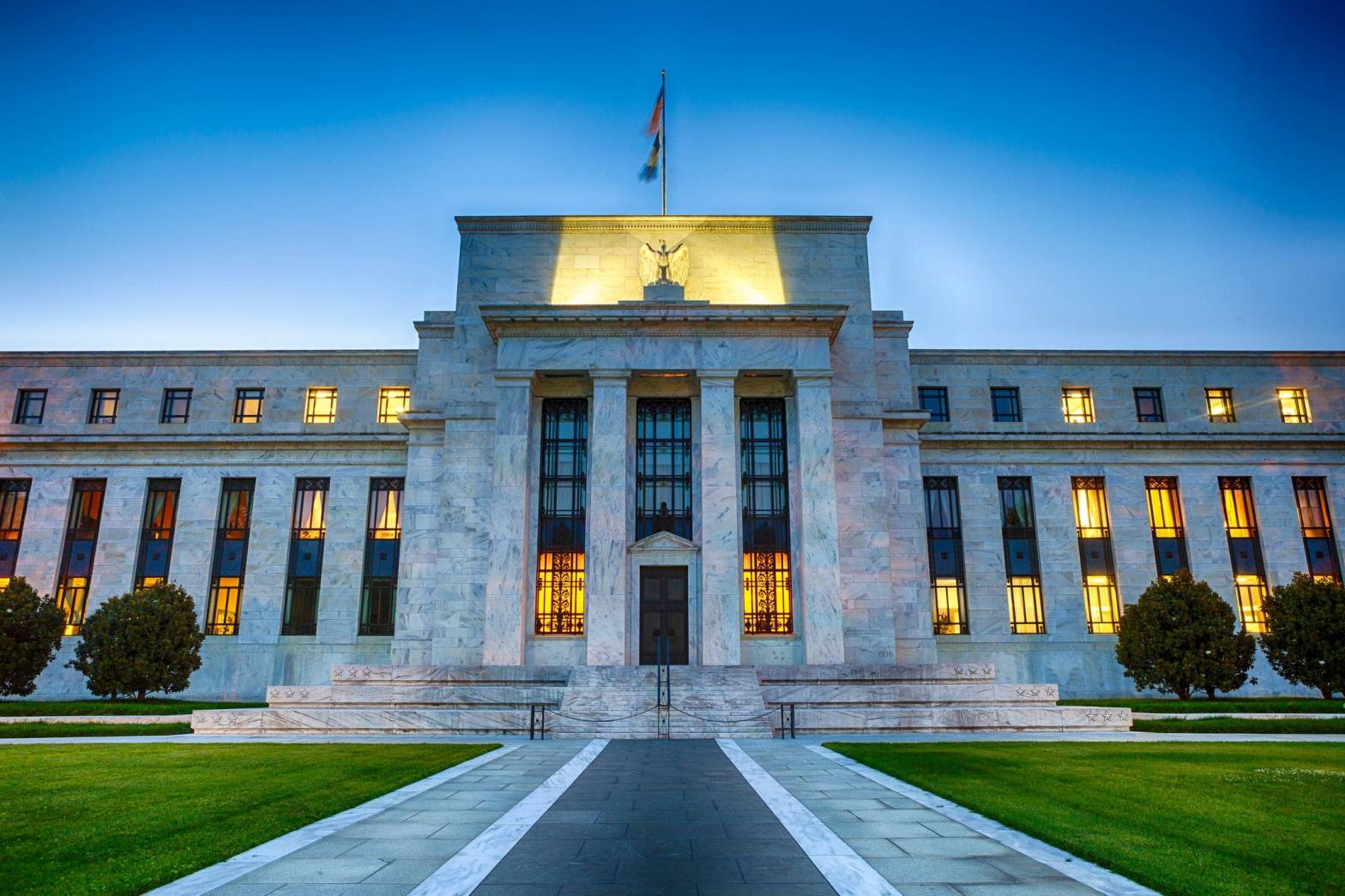
This week policymakers and the Federal Reserve have begun discussing this unprecedented economic situation and how the United States can capitalize on this opportunity without negatively affecting monetary policy. A digital fiat currency presents the government with many opportunities that can revolutionize the nation’s economy. A digital fiat currency eliminates a majority of the middlemen that profit off of processing and transferring transactions. This allows for faster and cheaper transactions fees which are burdened by businesses and cost more than $110 billion a year. Additionally, millions of Americans don’t use any traditional financial institution, but a digital fiat currency would be more accessible to individuals which can lead to greater amounts of currency in circulation. Lastly, digital fiat currencies make it easier for government to distribute welfare benefits to the poor. Rather than sending checks, cards, or stamps, the government can transfer digital fiat currency directly into people’s digital wallets. Digital currencies continue to offer many opportunities which will revolutionize the global economy, but many nations and policymakers are reluctant or slow to change.
This blog post is part of the CIMA law group blog. If you are located in Arizona and are seeking legal services, CIMA law group specializes in Immigration law, Criminal Defense, Personal Injury, and Government Relations.
 CIMA Law Group Blog