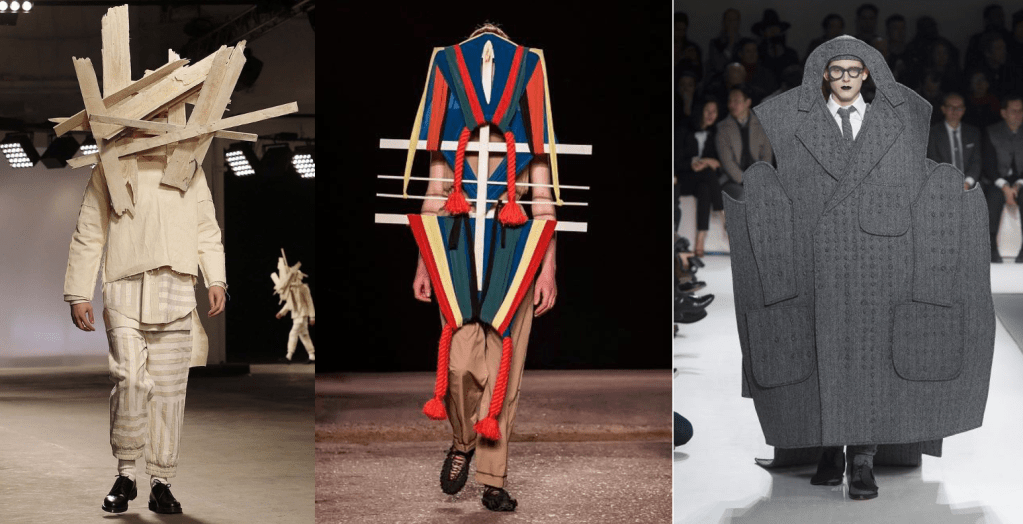
Have you ever wondered why fashion shows are so odd? Certainly, even the most extravagant celebrities do not wear such unwearable clothing. It is not because brands expect to see their designs worn out in the streets, but rather fashion shows are an opportunity for designers to display their talent, creativity, and technic to the rest of the fashion world. Runway shows are more of an art exhibition than a marketing strategy. These same fashion brands design clothing more suitable for consumers’ day to day which at times do have a touch of their runway collections.
How then do fashion trends start? Socio-economic classes and cultures play an important role on how fashion trends start. More commonly than not trends begin within the middle and lower class and expand upward to higher classes. Other times, the upper class, especially celebrities start trends that spread downward. Lastly, other trends begin in one specific class and spread only within that class. Unlike common perception, fashion brand’s role in fashion more than to start trends is to provide consumers with already trendy pieces with their brand’s own touch.
Fashion is an expression of culture, socio-economic class, interests, and beliefs. The influence of fashion goes far beyond the streets and social media. What you wear is a reflection of your role in society. First responders are instantly recognized and respected because of what their uniform represent. A white lab coat gives medical credibility to who wears it. Social experiments suggest that a safety vest and a clipboard can get you into almost any venue because of what they suggest of those who wear them. Whether you agree with it or not, people are treated based on their external image. The way you dress may have an impact on the opportunities that are offered to you and the doors that are opened before you.
This blog post is part of the CIMA Law Group blog. If you are located in Arizona and are seeking legal services, CIMA Law Group specializes in Immigration Law, Criminal Defense, Personal Injury, and Government Relations.
 CIMA Law Group Blog