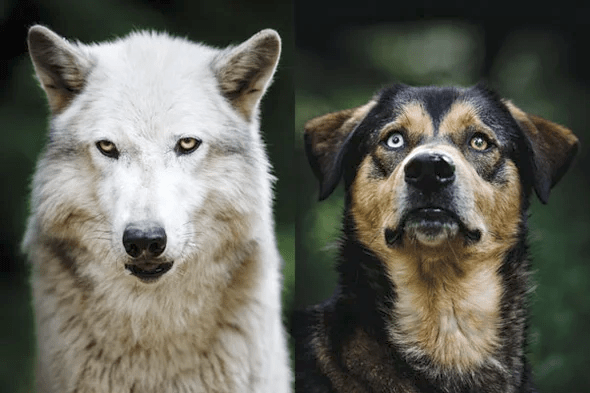
Going to go fetch balls, having a sensitive tummy if they eat the wrong food, and crying if their owner leaves their side. Dogs are some of the greatest companions that someone can have and they come in so many different shapes and sizes from giant Great Danes to the tiny Chihuahua, and yet they all are members of the same species.This is because dogs all come from the same common ancestor, the wolf. But how exactly did this happen and how is it that now there are so many different breeds of dogs with their own special quirks that distinguish them from other breeds.
Thousands of years ago, wolves and humans were just another pair of rivals vying for the same food sources. There are several possible theories/explanations for how a relationship began between ancient wolves and the hunter-gathering people such as “less timid gray wolves inched closer and closer to human campsites to get scraps. Over time, they passed along genes for increasingly docile behaviors and traits. Humans found these newfound friends useful for hunting and guarding campsites.“Or another theory is that ancient humans stole wolf pups from their parents and raised them to be companions and assist in hunts for food. Whatever the case this blossomed into a mutually beneficial relationship between wolves and humans. Humans began to realize that there were specific traits that differentiated wolves from other wolves, they then began to breed wolves with these different traits in mind.
Many of these specific traits began to lead to the creation of separate breeds of dogs, dogs were created for specific reasons to help humans in whatever way they found fit be it hunting or after the agricultural revolution for herding. After the breeding began we begin to say several fundamental differences develop between wolves and dogs. For example the trait that makes dogs such good companions for humans is the fact that now they have an over reliance on humans. In a 2008 study done at an Austrian zoo comparing a the behaviors of a pack of dogs and a pack of wolves “Despite having lived and worked with the scientists for seven years, the wolves retain an independence of mind and behavior that is most undoglike.” Wolves no matter how they are treated or raised will always be independent and what to do what they want. A dog on the other hand if trained will try to do whatever it can to please its’ master. This reliance can also be seen with the fact that if you were to put a dog in the middle of the forest by itself, it will most likely die. Dogs more so than most breeds have actually lost this natural hunting instinct and need to have a humans to feed them.
In terms of physical differences one feature that differentiates wolves and dogs is simple their ears. Several if not most species of dogs have large floppy ears as opposed to the straight pointed ears of wolves. Surprisingly there is much debate on this feature of dogs but two possible explanations that have come out is that the floppy ears were bred in several species of dogs to assist them in smelling much clearer, by having these type of ears they would be closer to the ground and any smell from the ground would go directly to their noise. Another possible reason is due to what some scientist call domestication syndrome dogs have different neural crest cells than wolves which over several thousands of years affect the way in which dogs have different features form their original ancestor.These cells actually stop cartilage from going to dogs ears’ thus causing their ears to be droopy. Obviously there are other prominent physical differences including the size with most wolves being larger than most dogs, the different tails that dogs have(such as curled tails which may be used by certain dogs to help remain warm in colder climates or to protect their tail from becoming trapped in sleds) and even the types of fur that dogs have(some have sleek fur for swimming faster, others have rough fur to protect them from bushes and twigs for hunting in the forest/swamps, and some are hypoallergenic for humans who have allergies ).
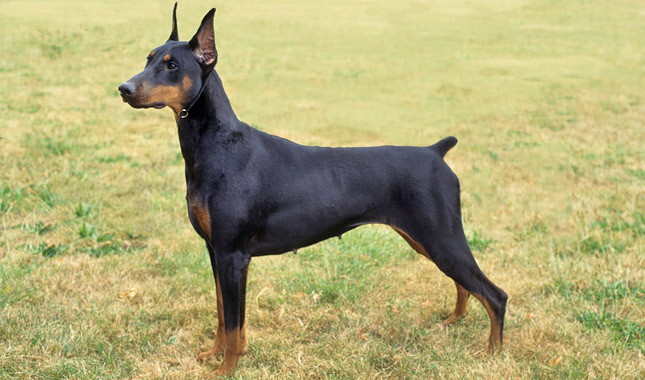
An example of this specific breeding can be seen with the creation of the doberman pinscher. Being a tax collector was not the glitz and glam that one would assume it to be, , it was a dangerous job walking around with large amounts of money and having to tell people to pay their taxes. Due to this constant danger a dog was created with the specific purpose of being able to protect these tax collector. German tax collector Karl Friedrich Louis Doberman wanted to create a breed that had “the guts and drive to stand up to anything that dared challenge it”. Although it is not specifically known which breeds Doberman used to create his guard dog, it is theorized that he used several including german shepherds, rottweilers, and possibly the weimaraner. After creating this perfect guard dog and walking around with a pack of them no one messed with ol’ Karl anymore.
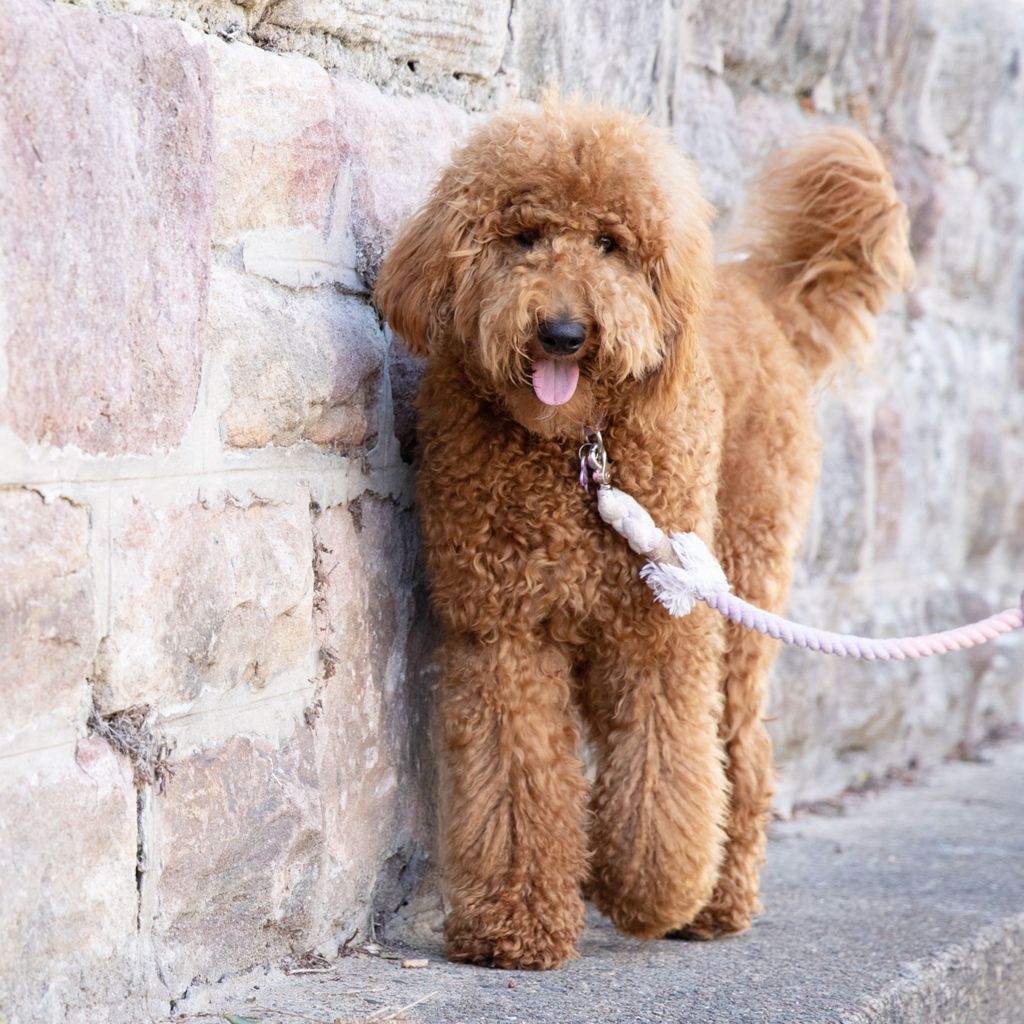
Dogs are some of the best companions that one can have. Personally I have a golden doodle puppy who cannot be without his mother and who just wants to be scratched and given undivided attention all day. But we dog owners can never forget the fact that man’s best friend came from the violent and carnivorous wolf. It was only due to human interference and selective breeding that these goofballs came to exist.
This is a CIMA Law Group blog entry. CIMA Law Group is located in Arizona and specializes in Immigration Law, Criminal Defense, Personal Injury, and Government Relations. If you live in Arizona and need legal assistance CIMA Law Group can help.
 CIMA Law Group Blog