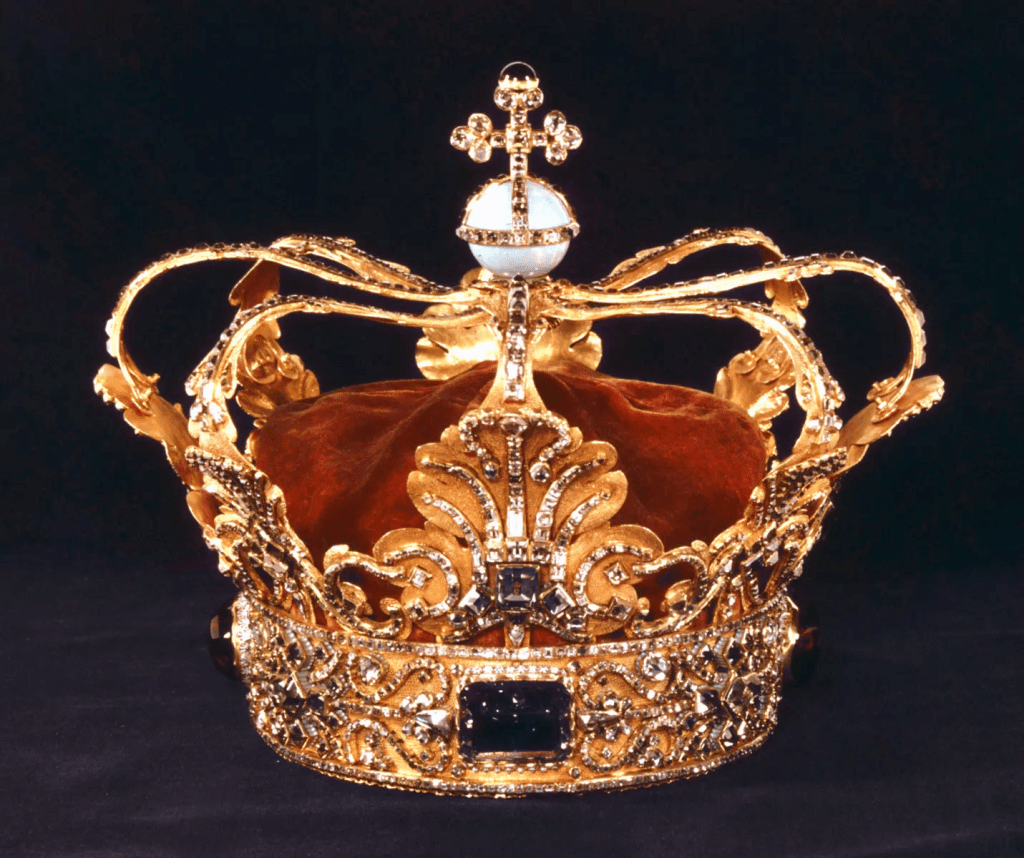
After the death of Queen Elizabeth II of the United Kingdom and her lifetime of civic duty and ruling as a monarch,70 years since the age of 26. Her parting and passing on the crown to Charles III does bring forward the question of what exactly are the duties and powers of the British monarch and if it is the same for all the other monarchies in the world. Officially there are 44 monarchies, including all the British commonwealth states as well. Of these monarchies their types can be broken down to three types Constitutional, Semi-constitutional, and absolute Monarchies. With the heads of these monarchies having possibly several different titles for example in most European countries they are king/queen, in Japan they are an emperor, several middle eastern states they are sultans, sheiks, or emirs , and in Vatican city they are known as the Pope.
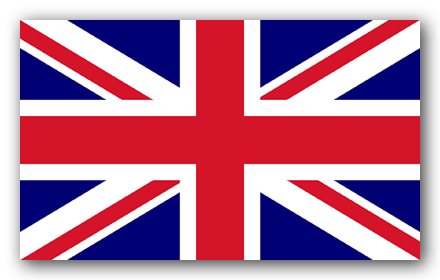
The type of monarchy that the United Kingdom has is that of a constitutional monarchy. The role of head monarch in this type of government is more of a ceremonial role more than anything else.Queen Elizabeth’s functions as head of state are to appoint the Prime Minister, and all the other ministers; to open new sessions of parliament; and to give royal assent to bills passed by parliament, signifying that they have become law. The role of the monarchy in general is just that of a figurehead of for example the United Kingdom to the rest of the world. The limits of their power extend to possibly giving advice to the prime minister of England, during their weekly meetings. One different aspect that separates the UK from most other monarchy is the fact that the United Kingdom isn’t the only area that the British monarch rules but actually the monarchy is the head of state of several other countries who are all part of something known as the commonwealth realm . The commonwealth is an international association of all the former colonies of the United Kingdom, the UK no longer has colonies, in 15 of these countries the British royal family still continue to be heads of state. Each of them also have a position in them called a governor-general which is different in each country but their main job is to be a representative to the monarchy where they appoint ministers, judges bestow honors etc. in place of the royal monarch. There are other states in the commonwealth that do not have the British monarch as head but continue to be members based on the fact that they were former colonies such as India. In all nations that have this constitutional monarchy the role of the royal is very limited and they do not really have much independent power, they follow what the elected government tells them to do more than anything trying to appear non-partisan in the activities and choices of the government.
Current Countries with a constitutional monarchy
- United Kingdom( Including all commonwealth nations:Australia, Antigua & Barbuda,Belize,Bahamas,Canada, Grenada,Jamaica, New Zeland,Papa New Guinea, Saint Kitts & Nevis, Saint Lucia, Saint Vincent & the Grenadines,Solomon Islands,Tuvalu)
- Spain
- Beligum
- Denmark
- Lesotho
- Luxembourg
- Malaysia
- Norway
- Sweden
- Thailand
- Japan
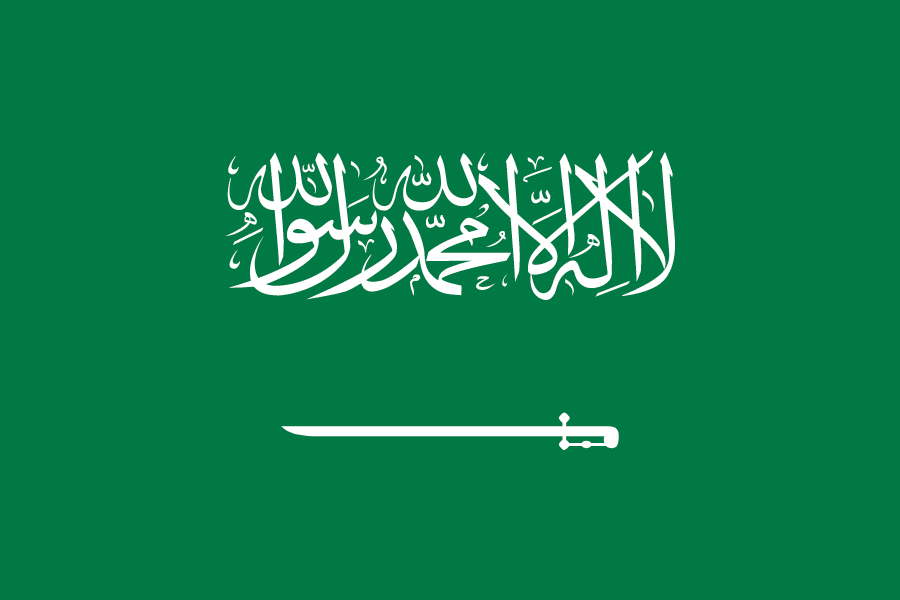
On the opposite side of the spectrum absolute monarchies which as its name entails they have the power to do essentially whatever they wish, as long as they don’t anger the people too much leading to a coup. For most of these monarchies it is contained in one family such as all members of the Saudi Arabian royal family are part of the Saud family with the only exception to this hereditary rule being the Vatican where a pope is elected by the college of cardinals. An example of the overall power of these rulers can be seen in Saudi Arabia where The King is also advised by a legislative body called the Consultative Council (Majlis Al-Shura). The Council proposes new laws and amends existing ones. It consists of 150 members who are appointed by the King for four-year terms that can be renewed. Where the king has final say of who stays in government and who is fired. In all of these states the monarch has the final say in all matters and can decide even when to use the military on other nations. One major drawback though is that for the most part it is illegal to speak ill of the royal family and can possibly end with a physical punishment or jail time.
Current Countries with absolute monarchies:
- Saudi Arabia (Elected and Hereditary)
- Brunei
- United Arab Emirates(Including Sharjah,Fujairah,Ajman,Dubai,Ras Al Khaimah,Umm Al Quwain)
- Kingdom of Estwatini (Elected and hereditary)
- Vatican City(Elected by council of cardinals)
- Oman
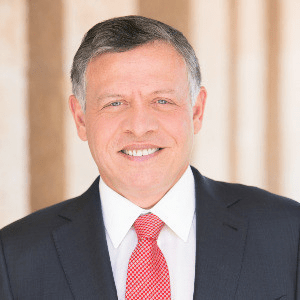
Then we have what is known as a constitutional monarchy what this type of monarchy means is that the government itself of a country is still run using a democratic instiution such as having elections and having to enforce laws but the royal family still retains a substantial amount of power. Such as for example Jordan’s constitution already gives the king considerable powers, allowing him to control who becomes prime minister, as well as the heads of the military and the intelligence agency. Yet, he still has to wait for the approval and votes made by the parliament of Jordan with any task he may need to or want to make in the government itself, akin to a parliamentary system. The scope of the power each monarch holds in these nations depends such as in the nation of Qatar the emir has almost all the legislative and judicial power he wants but he can be stopped by the consultative assembly in the nation.
Current Countries with Semi- Constitutional Monarchies
- Jordan
- Bahrain
- Bhutan
- Kuwait
- Liechtenstein
- Monaco
- Morocco
- Tongo
- Qatar
- United Arab Emirates(Technically)
This is a CIMA Law Group blog entry. CIMA Law Group is located in Arizona and specializes in Immigration Law, Criminal Defense, Personal Injury, and Government Relations. If you live in Arizona and need legal assistance CIMA Law Group can help.
 CIMA Law Group Blog