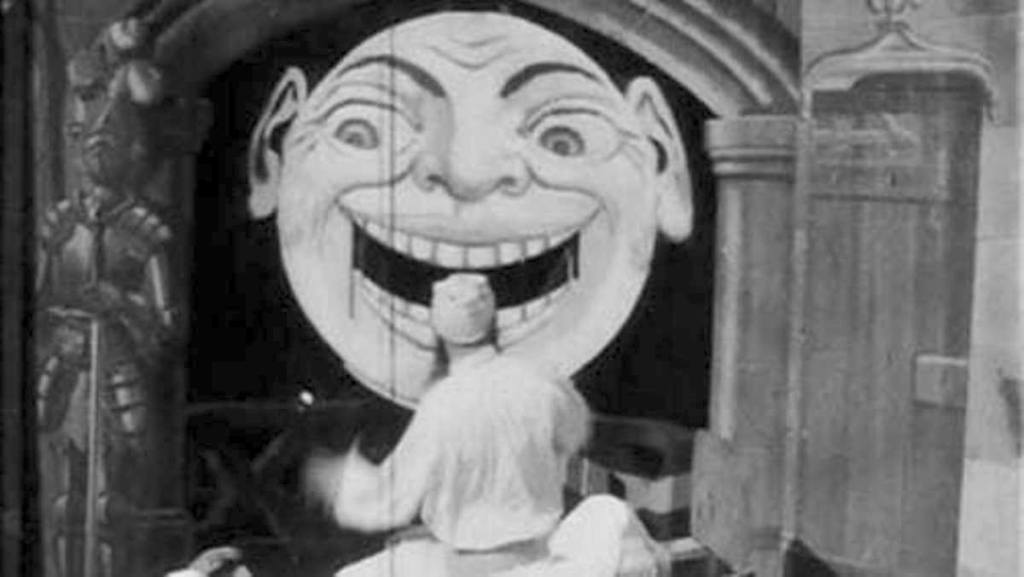
Beginning of Horror
People since the beginning of time have always wanted to elicit fear in each other, we have a want/need to be scared. People have always told each other scary stories around a fire or would tell their children scary stories to make sure they behave. This need for fear transferred to different art forms such as paintings, music, and even books. Books for the longest time was where people would get their share of horror Brahm Stroker’s “Dracula” elicited terror at the idea of a monster that drank blood to sustain itself, Mary Shelley’s “Frankenstein” the story of a monster created from corpses and its existential crisis, then there was the poems and stories from Edgar Allen Poe which continued this trend of terrifying people all over the world.
Yet people would soon be terrified of a whole new format where they could both read and bring to life the horrors they would have had to create in their minds, film. Film to be viewed by an audience was first brought to the public on December 1885, at a showing by the Lumiere Brothers. Originally all films were silent, with a live orchestra accompanying movies being shown and movies being much shorter than they are now. Yet, as we see with so many other mediums people wanted to be scared and we see the creation of what many people consider the first horror movie. In the mid-1890s, Mellies created “Le Manoir du Diable,” sometimes known in English as “The Haunted Castle” or “ The House of the Devil,” in 1898, and it is widely believed to be the first horror movie. The three minute short film which had been lost for many years included supernatural elements such as cauldrons, bats transforming, and even a portrayal of the devil. This short was a precedent to what was to come, for the next couple of years we see films based on the horror genre, including Dr.Jekyl and Mr.Hyde and the original Frankenstein. Other big horror hits of this film include the German expressionist film the “Cabinet of Dr. Calgiri.” Yet one film from this period where we continue to see its influence on horror films to now is the monumental “Nosferatu” which included figures hiding in the shadows, the slow eerie movement, the drastic use of lighting and darkness this was also one of the first movies where one of the main goals was to scare and terrify the audience. Then there was its general influence on vampires in films many of the staples of vampires was first showcased and solidified in this film including a vampire’s weakness to sunights, their need of blood, and the types of outfits they would wear as well. The film also began to show the world that horror as a true genre that should be taken more seriously. It was also during this time that we see the first use of the word “horror” to describe a film genre, horror at this time was just seen a romantic melodrama with a dark element.
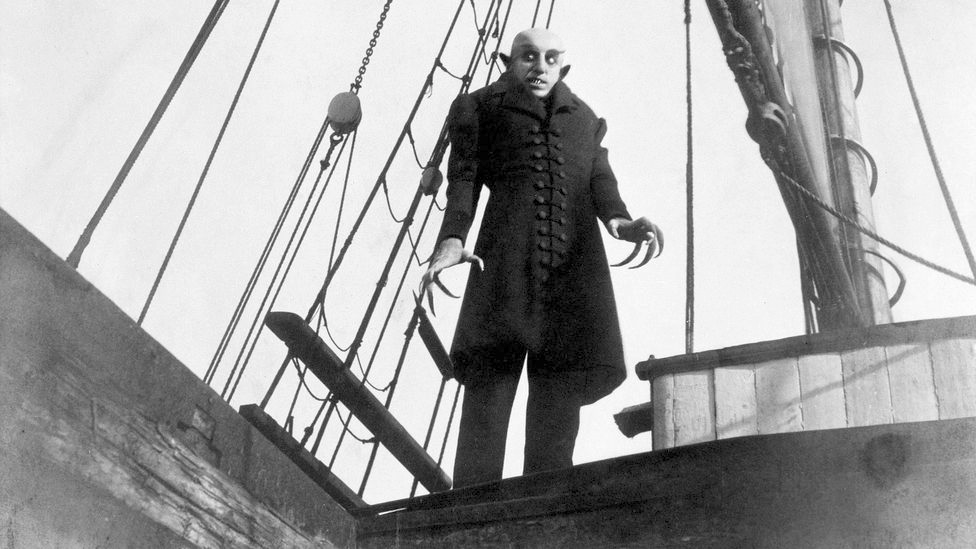
Universal Mosters
During the 1920’s we begin to see a surge in monster films, possibly inspired by Nosferatu. No movie studio was more invested in making more “monster” movies than Universial. During the 20’s we see universal release such silent films as “The Hunchback of Nortre Dame(1923), The Phantom of the Opera(1923) and the “The Man Who Laughs”(1928). One important feature of these early films that would help influence the future of the “monster” films was Lon Chaney, dubbed the “Man Of A Thousand Faces”, who would utilize heavy makeup to portray the monster but he would also play the silent film monsters as sympathetic although the actions of the monsters were deemed “evil” due to their intentions of love the audience sympathized with the monsters as well. During the great depression we saw the birth of one of the most popular and enduring movie monster with Count Dracula, expertly portrayed by Bella Lugosi, the film was a hit for Universal making over half a million dollars. During the next couple of years we see the introduction of Frankenstein, his Bride, the original creation of Prince Imhotep(the mummy), The Wolfman, the Invisible-man, and finally the Creature From The Black Lagoon. The movies and monsters were a hit Universal perfected the art of giving audiences what they wanted during the 1940s. The studio produced a steady stream of films extending and expanding their monsters’ myths, sometimes in surprising ways. One interesting aspect of the films was that they were actually part of a shared universe as well, even before Marvel did it the monsters were already perfecting the concept, we would see each monster appear in the other monsters movies such as “Frankenstein Meets The Wolf-Man”(1943),”House Of Frankenstein”( 1944), and “House of Dracula”(1945). To ensure that the films continue to be successful Universial tried adding comedic duo “Abbott and Costello” to the monster’s universe as well with movies such as “Abbott and Costello Meet Frankenstein”(1948),”Abbott and Costello Meet The Invisble Man”(1951),”Abbott and Costello Meet The Mummy”(1955). Yet like so many things the age of the monster came to an end, the movies were no longer successful, and the audience wanted a new kind of horror in their films.
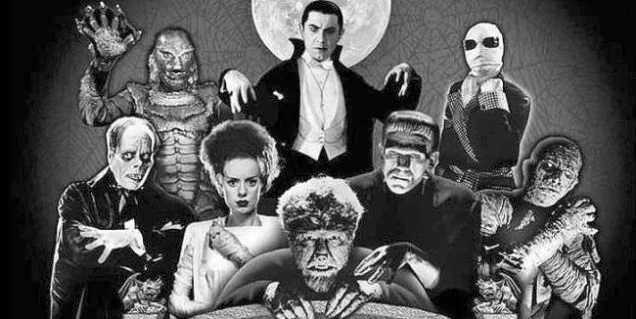
Psychological/Religious/Gory Horror
People no longer wanted the campy horror films of the 1950’s they wanted a combination of several things in their films and this was a movie that was much more psychologically complex, utilizing a religious element, or that had over the top gore in them. One of the greatest examples was Alfred Hitchcock’s 1960 film “Psycho”a complex story about Marion Crane a woman who is on the run from the law and decides to stay at the Bates Motel where she meets her swift end at the hands of Norman Bate’s. The rest of the film is centered around a combination of Bate’s dealing/hiding the evidence, his mental state, and Marion’s friends trying to figure out what happened to Marion. A combination of master directing by British director Alfred Hitchcock, a haunting score by Bernard Herman, and a terrifying performance by Anthony Perkins as Bates lead to the movie being a hit, leading to the film somtimes being called the first slasher movie as well. There were queues around the blocks in cities across America as word of mouth grew. Grossing US$32 million (equivalent to A$468 million today) off a budget of US$800,000 (A$12 million today)
There was another type of horror that was getting people’s attention and this was that of religious horror. These were films that included talks about the devil, demons, and cults in their stories. Some highlights of these type of films include “Rosemary’s baby” (1968) a film about a woman giving birth to the anti-christ and the satanic cult working to help her raise the baby, “The Omen”( 1976) a film about the anti-christ, and finally and arguably the most successful of all these movies “The Exorcist”( 1973) a film about a priest called to a home to exorcise a girl taken over by a demon. These films were so successful also based on a cultural obsession that people had during this time dealing with fears about the devil and occult. The Exorcist stands out among all these movies due to the fact that it was the first horror film nominated for an oscar for best picture, it would have physical effects on the audiences who watched it( including people heart attacks and there is a report of a miscarriage in one case), several cities tried to ban the movie, and the film was thought to be cursed since several crew members and actors died during the film.
There was one final type of horror that got people’s attention during this time and that was a more violent type of horror film where there was gore. For some reason people wanted more violent films and it was possible to create these type of films with a pretty low budget but that would turn a pretty large profit And no film better showcased this than George A Romero’s “Night of the Living Dead” (1968) a film that is considered to have created many of the rules that Zombie movies now follow. Romero reinvented the zombie subgenre of horror with this film, but he also introduced thought-provoking metaphors with the microcosm of society that the story follows through the end of the world. It also is groundbreaking in the fact that its main lead was an African-American man something that was very scarce and uncommon in films. The movie was made on a shoe string budget of only $114,000-$125,000 was able to make over $30 million dollars at the box office becoming a hit.
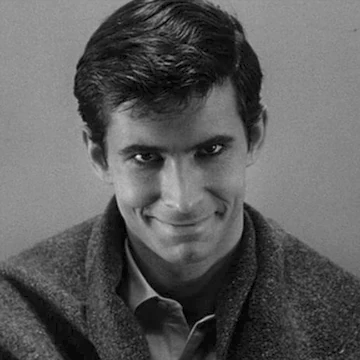
Slashers
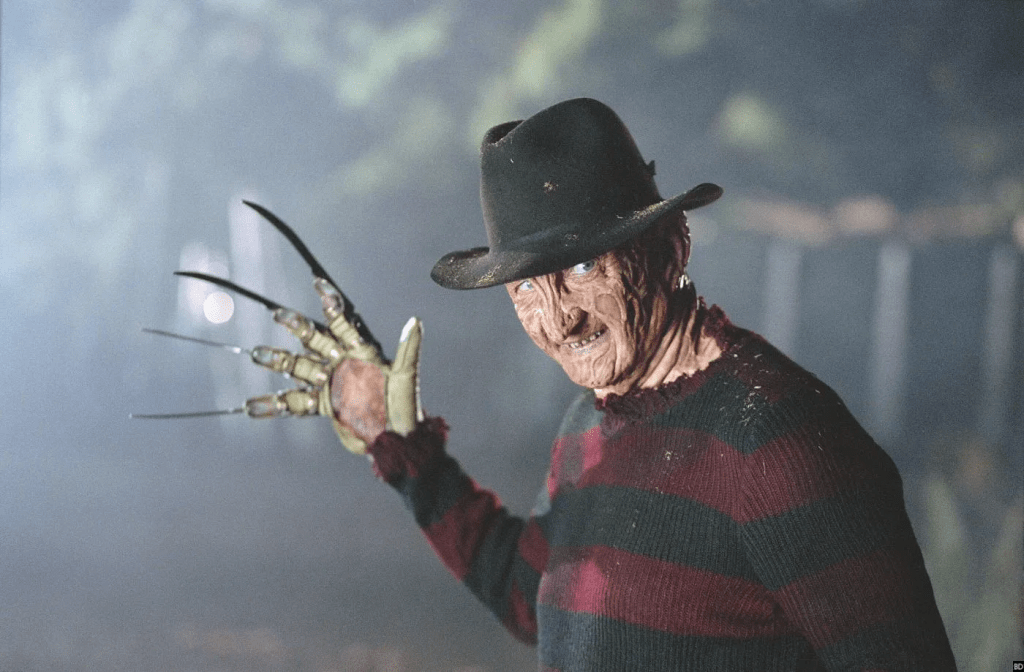
Then the psychological/religious/gory era came to an end and instead we have the birth of a new type of horror, the Slasher. These films are characterized by having an effective killer, a high body count of murders, and not utilizing firearms to kill their victims. The movie that most people consider the first slasher film was John Carpenter’s “Halloween”(1978)a film which has all these elements but also adds several elements to the genre that many films would follow including a silent killer, the killer wears a mask or is horribly disfigured, and there is a final girl who survives the ordeal. Slasher films didn’t have to worry too much about a good or well thought-out story the main thing people wanted was their iconic killer and violent kills. No where can this then be seen with the “Friday the 13th” film series which was created almost as a direct response to Halloween with it being created to showcase the blood and gore that Halloween lacked. It also included the silent and terrifying Jason Voorhees’ and his hockey mask that would continue to terrify people for years to come. Then another villain was created by horror icon Wes Craven in the “A Nightmare On Elm Street” film series with the burn victim Freddy Krueger. Craven inspired by a story he read about people dying in their sleep created a villain that people could not even escape in their sleep from, the film helped save an entire studio with its success. Yet, there was one aspect that set Freddy apart from other slashers during this time and this was a sense of personality to Slasher villains, a stark juxtaposition from the archetypically silent Slashers like Michael Myers and Jason Voorhees. Freddy actually talked and liked to taunt his victims. Other villain highlights during this time include Leather face, Pinhead, and Chucky. Then in 1996 Wes Craven saved the genre once again with the parody-horror film “Scream” introducing the world again to a talkative villain with Ghost face.
Found Footage
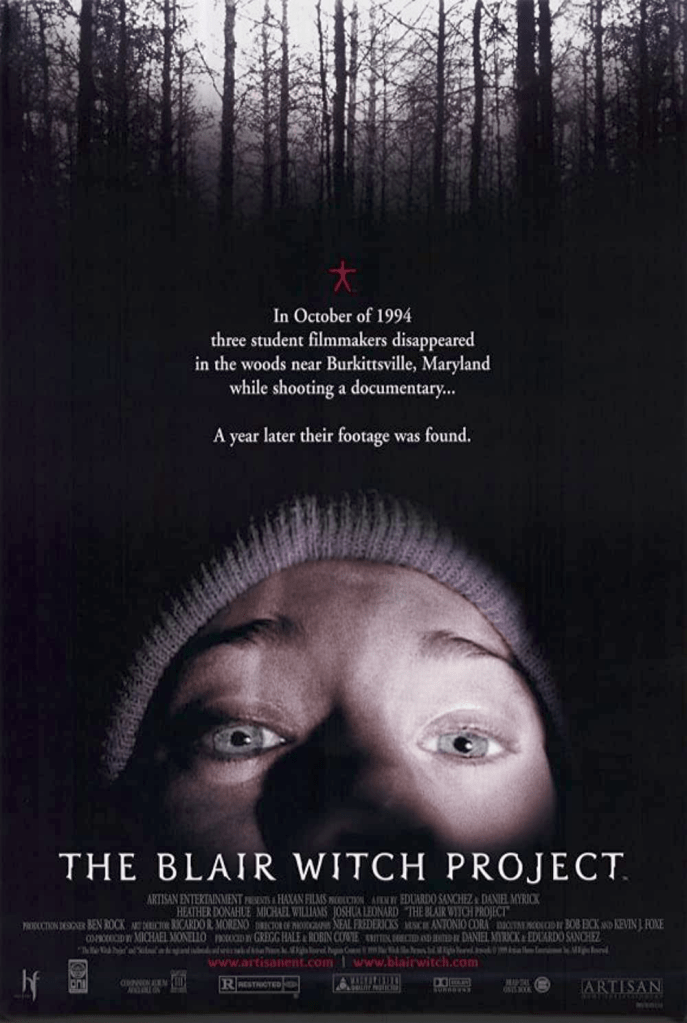
One drawback of the slasher craze was the fact that there was an over-saturation of the genre with so many slasher movies out people became bored with the genre. Leading to a craving for something else but people didn’t really know what. Until the release of the 1999 film “The Blair Witch Project” which follows three fictional student filmmakers trying to make a documentary about the Blair Witch, a local legend in the Black Hills of Burkittsville, Maryland. The film is presented in style not really seen until this time and this was the “found footage” format in which a film is presented as if it were found on film or video recording, appearing more real than if it were presented in a typical film fashion. This along with a combination of digital marketing that made it ambiguous to if the film was real life or a movie made people want to go and watch the film, then leave the film with a sense of dread, made the film a massive hit. The film which cost $200,000-$750,000 made $248.6 million at the box office. It lead to a string of other films which made just as impressive box office on equally small budgets. Including “Cloverfield” (2008) and “Paranormal Activity” (2007) the audience loved the format and the marketing that would go along with the films making it seem like the films were truly happening in real life terrified and delighted audiences. Each of these films even created their own successful franchises as well.
Modern Horror
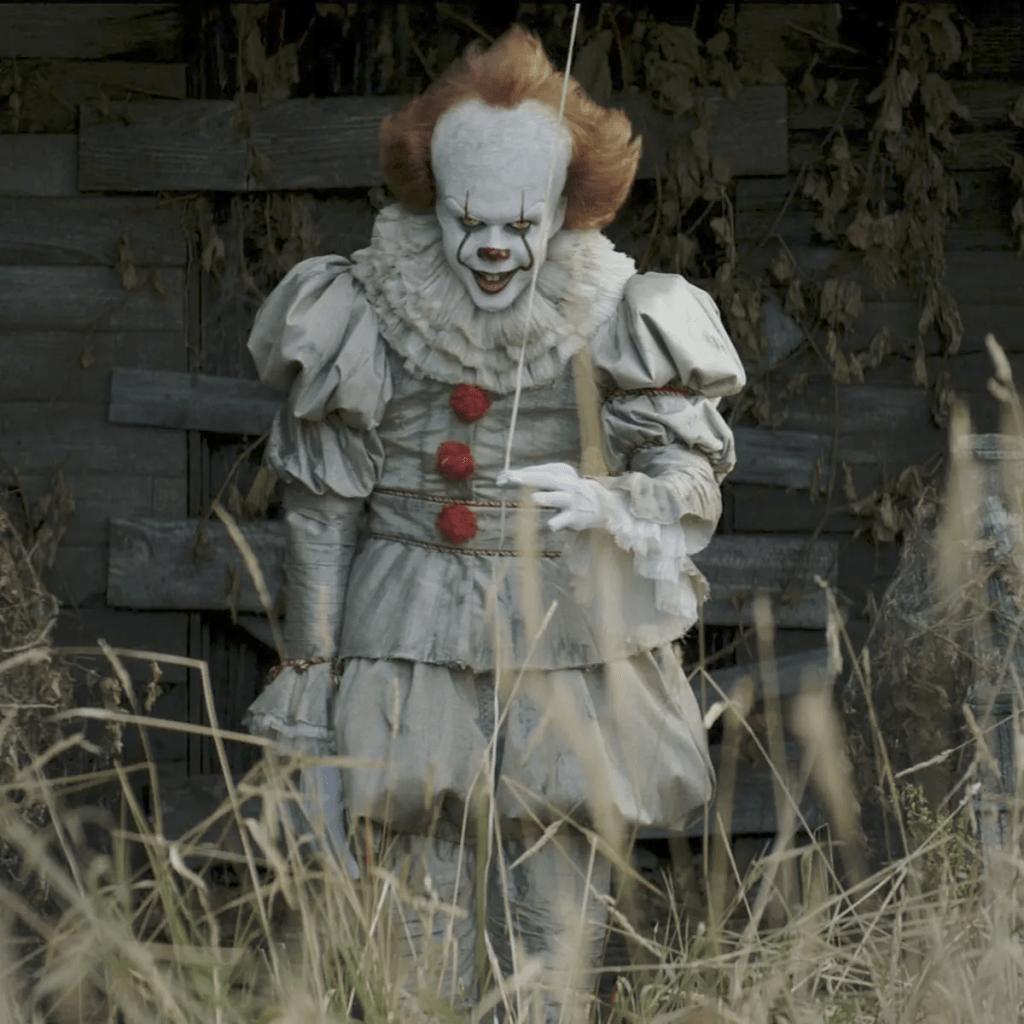
Like so many trends and fads as we have seen there again was an over-saturation of found-footage horror films and audiences stopped loving found-footage horror films yet again. This now leads us to the modern era of horror that we are livining in now. Modern horror is all over the place with its focus and what is successful. We are seeing a rise in movies based on stories by horror writer Stephen King, including an adaptation of his 1986 book “It” which ended up becoming the highest-grossing horror movie of all time, making $701.8 million at the box office. Then there are other horror franchies that have also been successful including “The Conjuring” and “Insidious” films which bring back the horror and terror of earlier religious films. Then we continue to see yet again a surge in love for slasher films as well with the remake/sequel to John Carpenter’s Halloween(1978) creating a new successful trilogy whose final film came out this year, “Halloween Ends” (2022).
The genre of horror continues to change and evolve in response to the audience’s need for terror and will continue to change.
This is a CIMA Law Group blog entry. CIMA Law Group is located in Arizona and specializes in Immigration Law, Criminal Defense, Personal Injury, and Government Relations. If you live in Arizona and need legal assistance CIMA Law Group can help.
 CIMA Law Group Blog