A study by the Economic Research Service of the U.S. Department of Agriculture found that in 2021, 10.2% of households were classified as food insecure. This means 13.5 million households had difficulty providing food, and 2.3 million families with children could not provide adequate meals for them. 274,000 households with children are classified as having very low food security. This means children skipped meals or went a whole day without eating due to a lack of money for food.
For this reason, it is crucial for schools to provide meals for children who just cannot concentrate on empty stomachs. Those who go hungry should be able to eat at least at school along with their peers. In the U.S., lunches were provided free for all children regardless of household income during the Covid-era policy adjustment. However, these policies are starting to go back to a pre-Covid state, and many schools are back to charging certain families for meals and having others apply for free- or low-priced breakfasts and lunches if they can’t afford it.
With some families being less financially secure or just above the threshold which would qualify their children for reduced or free lunch, it could create financial hardship. Depending on free lunches makes a difference when some families just cannot afford to spend money five days a week while already struggling to put food on the table at home. Parents have to apply for reduced or free lunch, but this isn’t the case everywhere. “Community eligibility provision” is something that high-poverty districts where at least 40% of students qualify for free lunch can participate in. Once the districts opt to participate, parents no longer need to apply. This universal-styled food system creates relief should the households barely cross over the financial line that would cut them off from a free or reduced lunch. That extra help could make a difference in their budgets at home.
Inflation has only increased the struggle as food prices rise. This also means many school districts have increased their meal prices and cut items off the menu as they struggle with competitive labor wages for those operating the food system.
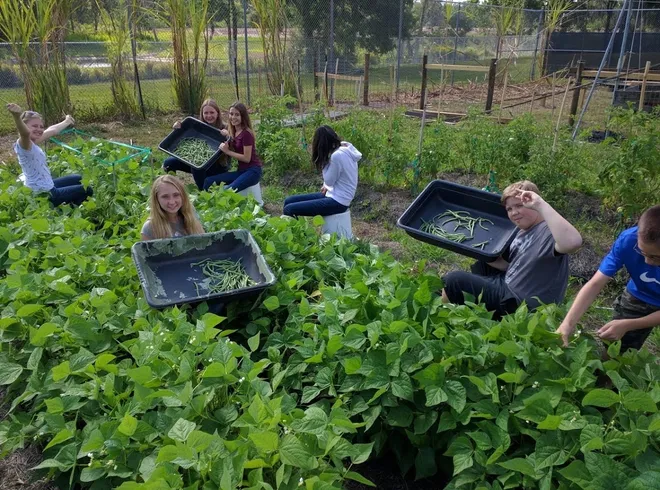
Programs like Farm to School support communities and their access to fresh and nutritional food for schools. This is beneficial not only for hunger relief, but in educating the students on agriculture, nutrition, health, and food as they have the opportunity to get hands-on learning in the school gardens that the program implements. It is also beneficial for the local economy as the program supports local purchasing of foods through farmers – the backbone of a community. Grants from the USDA are crucial for the Farm to School program to support state, regional, and local organizations in their implementation of this amazing effort.
A better effort needs to be made by governments – local, state, and federal – to support the meal system for children in schools regardless of income, as the financial status of their household shouldn’t fall on them and their eligibility to eat at school. They spend the whole day five days a week at school where they are learning and growing into future generations – they need nutritional food that will keep them full and fuel their minds.
This blog post is part of the CIMA Law Group blog. If you are located in Arizona and are seeking legal services, CIMA Law Group specializes in Immigration Law, Criminal Defense, Personal Injury, and Government Relations.
 CIMA Law Group Blog