There are many indicators economists use to predict a recession. They may look at rising unemployment rates, a decrease in the economy’s gross domestic production (GDP), or the rate of imports/ exports. However, one indicator is consumer purchases. In recent years, a phenomenon called the ‘Lipstick Effect/ Lipstick Index’ has been used to describe the way everyday people buy and shop during a recession.
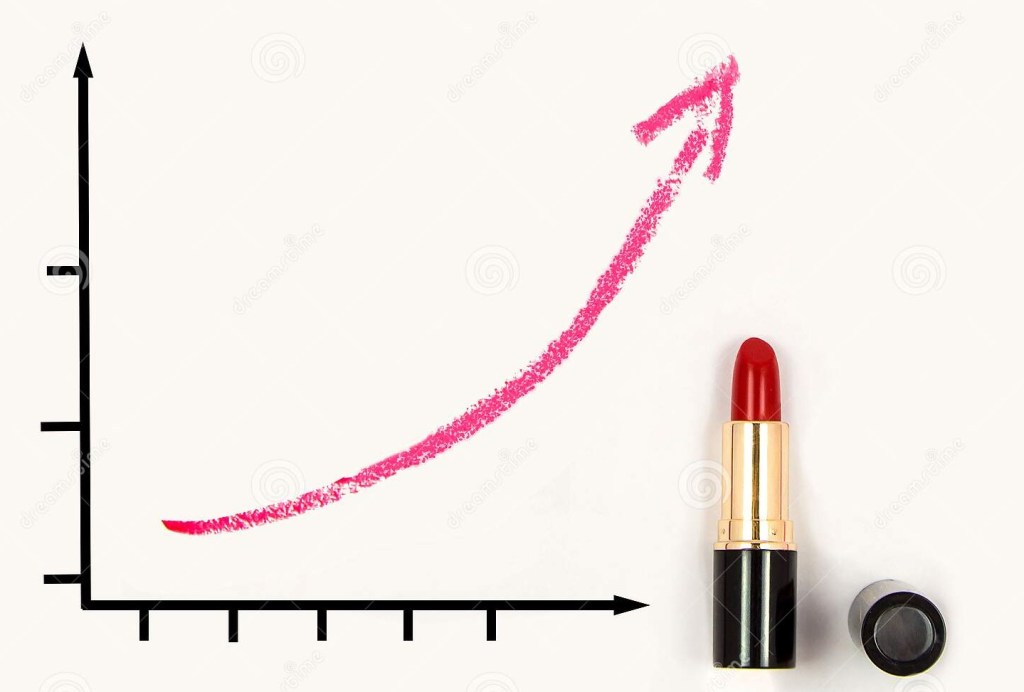
Often times, a recession can prompt people to make ‘feel good’ purchases that don’t break the bank, like a small tube of lipstick. The Lipstick Effect is also why fast-food restaurants and movie theaters still make profit during a recession. The term was coined in 1998 by Professor Juliet Schor in her book The Overspent American.
This phenomenon has been proved with research dating back to the Great Depression in the 1930s when cosmetic sales rose drastically. Even after 9/11 in 2001, lipstick sales rose 11% and then again in the 2008 recession.
This blog post is part of the CIMA Law Group blog. If you are located in Arizona and are seeking legal services, CIMA Law Group specializes in Immigration Law, Criminal Defense, Personal Injury, and Government Relations.
 CIMA Law Group Blog