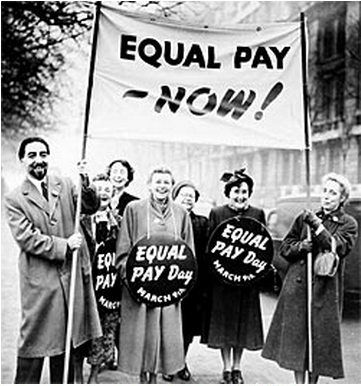
The ‘Gender Gap’ is a term used to explain the differences between men and women in economics, health, education, and social status. The gender gap is usually associated with salary differences between men and women but can be applied to anything that deals with resource distribution. While the phrase ‘gender gap’ hasn’t been around for a long time, the acknowledgement of the differences in status of men and women is not new. The first-time wage differences between genders were widely discussed was in the 1860s. Feminist movements took to the street with signs reading ‘Equal Pay for Equal Work’ and feminist newspapers like ‘The Revolution’ published articles about salary differences. Unsuccessful bills like ‘Prohibiting Discrimination in Pay on Account of Sex’ proposed in 1944 and successful bills like the ‘Equal Pay Act’ passed in 1963 all gained public support, but the wage gap persisted.
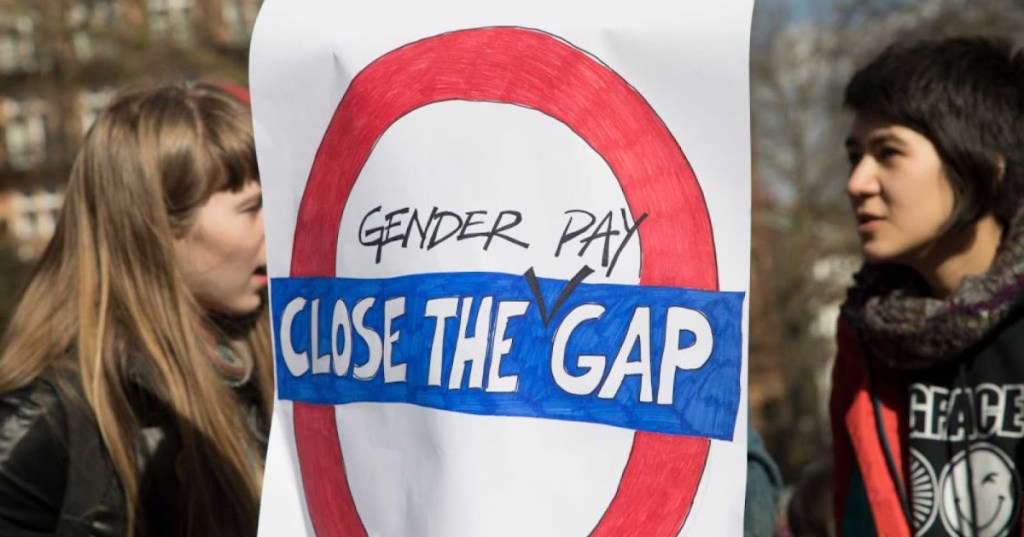
Equal distribution of resources is a major problem that the world’s leading industrialized nations haven’t resolved. The United States, Canada, Italy, Russia, China, and other G20 countries don’t even come in the top 10 countries who have reduced the gender gap. Countries who have made progress on reducing the gap range from Iceland to Rwanda.
Since the world’s leading powers are not actively working to reduce the gender gap, there has not been much progress achieving fair wages for women. Overall, the smallest wage gap is between women and men aged 25-34. Women in this age group make 92 cents for every dollar a man makes. Wage gaps worsen when race and class is involved. Moreover, the wage gap does not account for gender-based underemployment or unpaid domestic labor women endure.
This blog post is part of the CIMA Law Group blog. If you are located in Arizona and are seeking legal services, CIMA Law Group specializes in Immigration Law, Criminal Defense, Personal Injury, and Government Relations.
 CIMA Law Group Blog