While extraordinary people are born every day, few ever reach the level of fame and recognition that puts them in textbooks and creates a lifelong legacy. One of these men is Emil Krebs, who I like to think of as the Albert Einstein of linguistics. He is known as one of the most accomplished hyperpolyglots and was said to have mastered between 65-69 languages. This doesn’t include the other 40+ languages he dabbled in over the years.
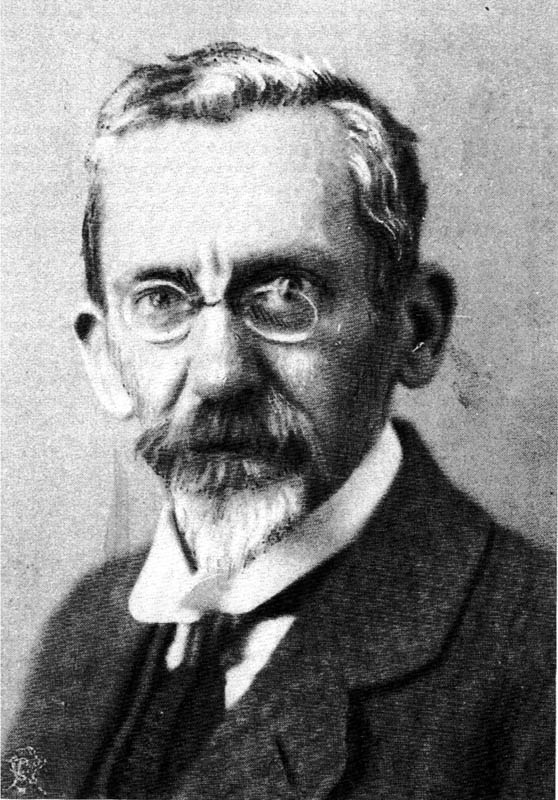
His interest in languages started when he found a French newspaper at four years old. After a few weeks of tutoring and studying a French dictionary, he could speak the language perfectly. By the end of high school, he is rumored to have spoken 12 languages. After law school, he learned Mandarin Chinese, which landed him a job as the Chief Interpreter in China for Germany.
He was born in 1867 and died in 1930. His talent allowed him to be a diplomat for his homeland, Germany, and he spent his days in his library studying. However, what makes Krebs credible is the multiple firsthand descriptions of his talent and the study of his brain done by German neuroscientists Karl Zilles and Katrin Amunts in 2002. They found that his Broca’s region, an area of the frontal lobe important for speech production, was drastically different in ways that made his brain more adept for understanding linguistic patterns.
This blog post is part of the CIMA Law Group blog. If you are located in Arizona and are seeking legal services, CIMA Law Group specializes in Immigration Law, Criminal Defense, Personal Injury, and Government Relations.
 CIMA Law Group Blog