West Virginia has ultimately posed itself as the odd one out by deciding not to have taken the route the rest of the country veered toward, that is simply by taking matters into their own hands. Instead of contracting out to private companies to facilitate and coordinate vaccination efforts to specific subsets of civilian populations such as nursery homes and first responders, West Virginia Governor Jim Justice felt it is unnecessary to contract with these major American corporations because of their little presence within the state. Instead, the state government found an alternative by actively participating in vaccine facilitation of their own state property units and local pharmacies. The results showed very promising results outpacing the rest of the country much like California, who fell well short of the 1 million additional inoculations that had been promised during a 10-day period ending last week.
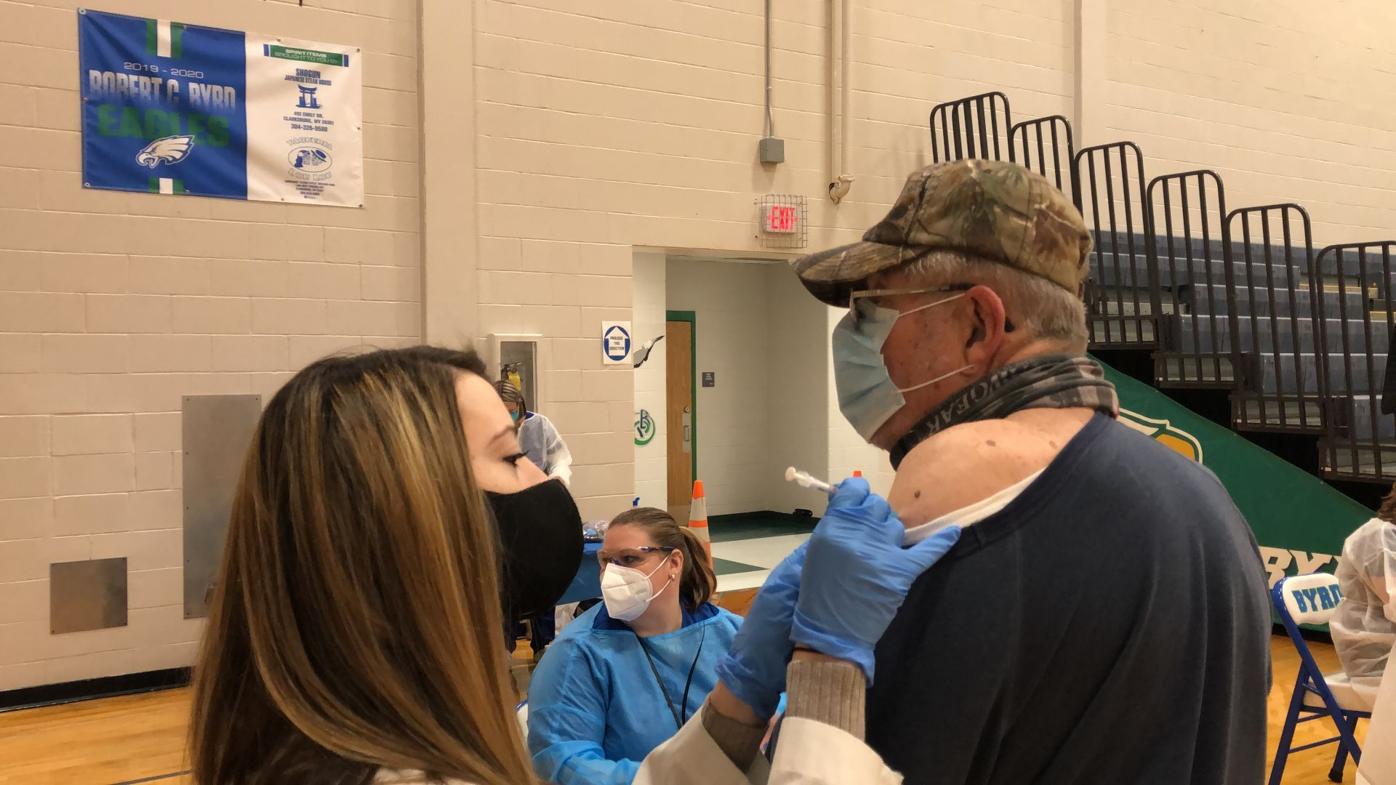
This interesting analysis recently made coverage as accredited journalist Alex Leo stated how she “did a dive today into why West Virginia is so rapidly outpacing other states in their vaccine distribution and it turns out one reason is they did not sign the agreement with CVS Pharmacy and Walgreens that 49 other states did.” Going on to state, “For one thing, West Virginia has been charting its own path to vaccine distribution. All 49 other states signed on with a federal program partnering with CVS and Walgreens to vaccinate long-term care and assisted living facilities. But those chain stores are less common in West Virginia, so the state instead took charge of delivering its vaccine supply to 250 pharmacies – most of them small, independent stores.” Regardless, government reliance and power is a polarizing issue within U.S. politics, this study shows that private corporations might not conduct better in every situation and can be out-done in certain circumstances. Yet, it is ultimately the American people who decide the imbalance of our seesaw which all comes down to trust of either institution.
 CIMA Law Group Blog