HBO is known for taking a more provocative step towards television, with classic shows like Sex and the City or new age shows like Euphoria they make content that grips viewers. They have not fallen short with their new show Minx. Minx follows a young woman in the 1970s who has set out, seemingly since birth, to create her feminist magazine. She is determined and refuses to lose hope, even when her family and friends seem to doubt her. In the first episode, she is pitching her magazine to older, outdated-looking, publishing companies who are all confused about the point of her content. The only publisher interested in her magazine deals in porn rather than intellectual content. As this is her only option to achieve her goals, she goes for it. The following episodes show their teamwork, struggles, and growth as characters. Joyce, played by Ophelia Lovibond, learns how to get over her relatively prudish nature and increasingly embrace the raunchy nature of making the first erotic magazine for women. Her boss, Doug, played by Jake Johnson, navigates the new terrain that comes with working with Joyce and the new content that they make.
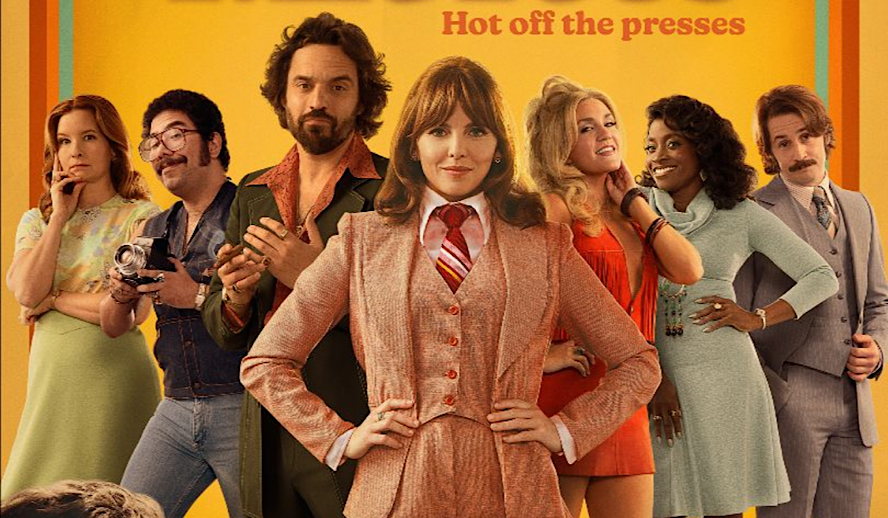
Minx is one of those special shows with a cast that works well together and makes the show come alive. The content is focused on a different type of feminism than we are used to seeing portrayed in recent shows, the main character, while privileged still works for everything she wants without using shortcuts. It’s admirable that HBO decided to portray her as a knowledgeable woman who knows what she wants and is determined to get it without a conflict of character. While the show depicts such a strong and relatable female cast they also hit time accurate issues, having Joyce ignored simply for being a woman and cut out of conversations because she isn’t part of the boys club of the time. Having the female leads play different versions of what feminism looks like rather than a singular “girl boss” model of stepping on and over everyone to achieve individual goals.
Joyces’ sister Shelly, played by Lennon Parham, is a stay-at-home mom who shows her struggles with that being her identity but after working with the magazine she opens up and shows different layers to herself and finds strength within that without losing sight of her family. Dougs’ second in command Tina, played by Idara Victor, is the model of a strong black woman in the 70’s seen by Doug and the rest of the cast as an equal whose input matters rather than lesser because she is a woman of color. A model for one of the other explicit magazines, Bambi, played by Jessica Lowe, shows that on the surface she may seem like a ditz but knows herself and is sure of her place in the world.
All of these characters are exemplary examples of how women should be portrayed in the media. Instead of single-tone leads that encourage the stereotype that women are one-dimensional objects offering depth to them shows people the true meaning behind what feminism is. That women are more than what is on the surface and should be treated as equal counterparts rather than being vilified for having goals or stepping on when they don’t. With all of the other content that circulates, more should focus and write about issues like this.
This blog post is part of the CIMA Law Group Blog. If you are in need of legal help, the CIMA Law Group is a law firm in Phoenix, Arizona which possesses expertise in Immigration Law, Criminal Defense, Personal Injury, and Government Relations.
 CIMA Law Group Blog