When Do You Need an Immigration Attorney?

Seeking professional advice from an experienced immigration attorney can save you a lot of time and frustration, especially due to the complexity of the United States’ immigration system. Immigration law is extensive and insanely complicated. Professional assistance is recommended and often needed when it comes to cases that deal with visa applications, green cards, citizenship, deportation issues, naturalization and employment for undocumented people. You may also be able to qualify for a work visa, u-visa and even entertainment visas, this however depends on your individual case. So the question is, When Do You Need an Immigration Lawyer?

Paperwork
  • If you don’t know what your options are, consultations with lawyers are usually offered to get a better understanding of what options you may have. If you’ve never consulted with an immigration attorney and have explained your case specifically, you’ll never know what options you may have. An experienced immigration attorney can help layout those options for you so that you can have a full understanding of the circumstances relating to your immigration case.
  • If you are in immigration court proceedings, many people think that since they are already in the process of being deported there is no legitimate reason to hire an attorney, but most of the time they are actually wrong. Hiring an immigration attorney during court proceedings can help you present a defense by creating a strong argument in your favor. Your immigration attorney can help file all the necessary paperwork and can even present other options like applying for relief from removal, get your case terminated or even determine if you qualify for one of the many visas offered by the U.S. (work visa, u-visa, entertainment visa, etc).
  • If you are inadmissible, there is a lot of information out on the internet regarding information about why you may be denied legal entry into the United States, or in other words, considered “inadmissible.” Some of the classes of inadmissibility under USCIS consist of drug traffickers, people with multiple criminal convictions, people that are likely to become a public charge, spies, terrorists, etc. However, if you fall under one of these classes of inadmissibility there can still be a chance you won’t absolutely be prohibited from being able to legally enter the United States. Being found inadmissible deals with multiple complicated factors and it is extremely important that you consult with an immigration attorney if you believe you are categorized as inadmissible.
  • If you are overwhelmed with paperwork, hiring an experienced immigration lawyer will help avoid mistakes when filling out the applications and documents. There are tons of different forms one has to fill out for different situations. You have to make sure the applications you fill out apply specifically to your case, whether it deals with a U-visa, work visa, entertainment visa, etc. If you are uncertain about a lot of the information and documentation USCIS is asking for, it’s probably time to hire an immigration attorney.

Maria Campos Tello

Top Reasons why you can be Deported from the USA

Although there are different reasons you can get deported from the United States, criminal convictions are the most common reason why many undocumented folks and residents face deportation. Criminal convictions can consist of but are not limited to crimes involving drugs, firearm offenses, aggravated felonies, domestic violence, and human trafficking.


Crimes of Moral Turpitude
(CIMT) may also be a reason the government may request removal of a person. These types of crimes go against good moral values. Some of the less common reasons one may face deportation consist of, immigration violations, fraudulent immigration documents, terrorist activity, espionage, endangering U.S. public safety or national security, etc. It is important to be aware that you may have the right to defend yourself in an immigration court, contact a local family based immigration lawyer in your area to get professional advice regarding your case specifically.

The following information is a breakdown of some of the major reasons why one would be facing deportation. If none of the reasons below apply to you do not hesitate to seek professional advice.

Deportable immigration violations

  • Overstaying a visa (student, work, tourist visa) can classify you as being unlawfully
    present in the U.S. Also, coming to the U.S. on a tourist visa but actually working is a
    immigration violation as well
  • Claiming to be a U.S. citizen
  • False information or misstatements on green card documentation
  • Fraudulent marriage ex., two people get married but never actually planned on establishing a life together
  • Failure to let U.S. Citizenship and Immigration Services (USCIS) know if there is a change of address (within 10 days)

Crimes of Moral Turpitude (CIMT)

  • Murder, rape, DUI (Driving under the influence), fraud, and arson
  • Domestic violence
  • Failure to register as a sex offender

Aggravated Felonies

  • Drug/firearm trafficking
  • Sexual abuse of a minor
  • Child pornography
  • Money laundering

If you have not yet contacted an attorney, make sure to look in your area for family based immigration attorneys. Some of the best immigration lawyers are in Downtown Phoenix, AZ. It is important to consult with the best immigration lawyers when facing deportation and
seeking assistance from some of the best criminal law firms when being convicted with a crime. For more information and a complete list of violations on deportable crimes, make sure to check out Section 237 of the Immigration and Nationality Act.

CIMA Law Group

– Maria Campos Tello

Corona Virus Shuts Down Arizona Schools

Arizona governor, Doug Ducey and Superintendent Kathy Hoffman announced Sunday, March 15, a statewide closure of Arizona schools from March 16 through March 27 due to the coronavirus outbreak.  There are now 18 confirmed cases across the state of Arizona and over 3,000 nationwide. Ducey and Hoffan want to ensure the safety of all students and faculty throughout this situation. Schools will still continue to provide free and reduced lunches to nearby students while on this extended break.

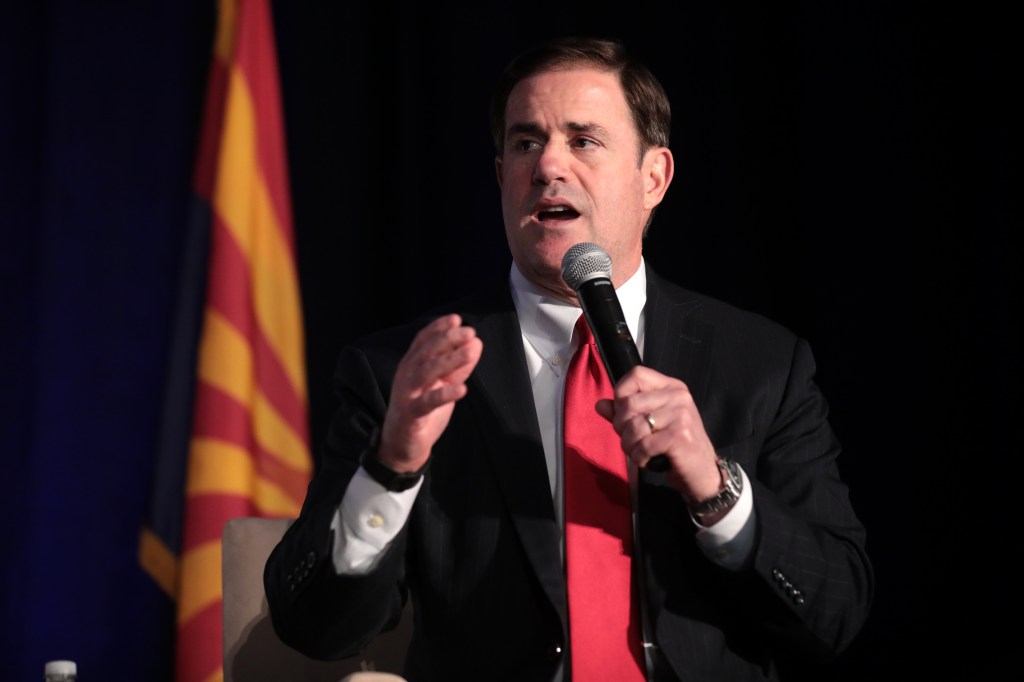
Governor Doug Ducey by Gage Skidmore

Along with k-12 public and private schools, universities such as Arizona State and University of Arizona have also taken action. Universities across the nation have determined to move in-person classes to online. Most of them are allowing students to remain on campus and keep campus resources open. College classes will continue but some may progress into continuing the rest of the semester remotely.

Within the next two weeks, Ducey is expected to make a final announcement whether schools will reopen or remain closed.

– Lulu Sanders

Featured Image Courtesy of Alan Levine

A Breakdown of ‘Jake’s Law’ in Arizona

On March 3rd 2020, Governor Ducey of Arizona signed S.B. 1523, also known as ‘Jake’s Law,’ into law. Jake’s Law was signed this past Tuesday due to Jake Machovsky’s suicide in 2016. This bill was introduced so that health care providers would be mandated to not only cover
physical health related issues but to also cover mental health illnesses as well.

As of 2017 an average of four lives every day are lost to suicide in the State of Arizona, raising a huge concern to the public. Suicide is the 8th leading death cause for males and 11th for women in Arizona but is concerningly the 10th leading cause in the country. Under Jake’s Law, congress has introduced statutes to expand behavioral health services and hold insurance companies accountable for denying further care.

Governor Doug Ducey

A Breakdown of Jake’s Law

  • Trained staff in making sure insurance providers abide to the law
  • Creation of the Children’s Behavioral Services Fund
  • Mental Health Parity Advisory Committee
  • Creation of suicide mortality team
  • 8 million dollars for behavioral services for uninsured and underinsured children
  • Research to help prevent future suicides
  • Increased follow-up services for suicidal patients

Governor Ducey has a history of taking action on combating teen suicide rates in the Arizona community. Ducey also signed the Mitch Warnock Act which required all school
employees that work with students from 6th-12th grade and AHCCCS employees, to receive a suicide prevention and awareness training every three years. This bill was signed into law May of 2018 and was named after Mitch Warnock who also lost his life to suicide at the age of 18. In addition to these signed acts, in 2018 Governor Ducey also added a 3 million dollar budget to expand behavioral health care service on school campuses.

– Maria Campos Tello
Featured Image Courtesy of Joe Penna

The Justice Department and the Denaturalization Section

Since October of 2019 the issue of enforcing public charge on behalf of Trump’s administration has been a debated matter in the Supreme Court. After months of deciding, the Supreme Court came to the conclusion to allow The Department of Homeland Security to begin implementing public charge. This will help the administration in determining the likeliness of individuals who might depend on government funded programs and assistance.


A day after this rule was yet to be enforced, the Justice Department came forward about the creation of a section that will help them with the process of denaturalizing citizens. According to the Justice Department, this section in the department will solely focus on: “sex offenders, terrorists, war criminals, and others who might have unlawfully obtained citizenship.” Although denaturalization has been enforced in previous presidencies, the Trump administration is making an effort and dedicating multiple resources to carry out such policy against many naturalized individuals.

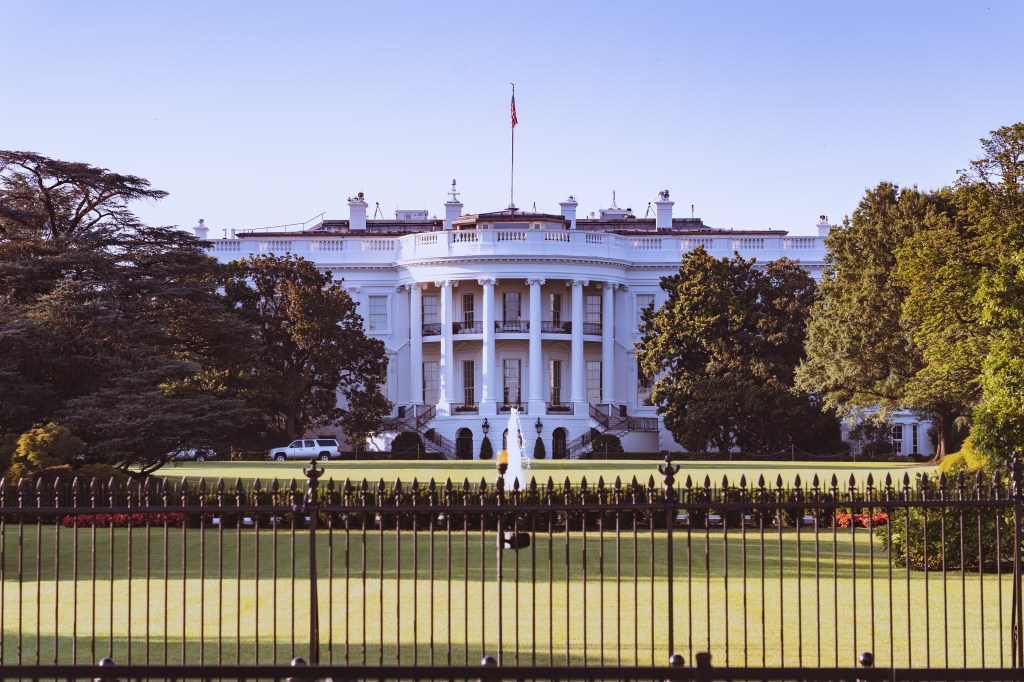
The White House

How does the Department of Justice determine when to file a denaturalization lawsuit?

  1. If the naturalized citizen did not meet all the legal requirements.
  2. If the individual lied during their naturalization process.

What happens to the individuals after denaturalization?

Individuals will return to the immigration status they had before becoming a citizen, they can be deported and may also be sentenced to jail time for fraudulent naturalization. There are currently 19.8 million naturalized citizens, some of who fear being denaturalized for minor mistakes they might have committed during their application process to obtain U.S citizenship. Under the Trump administration, denaturalization has been increasing, something that at this point can be a concern for the public.

Maria Campos Tello

5 New Laws You Need to Know If You Live in Arizona

  1.  The minimum wage has increased from $11 an hour to $12 an hour all throughout Arizona. This is thanks to Prop. 206 that was passed in 2016.

  1.  Starting August of 2020, public schools will be training their students to discover signs of suicidal behavior in their colleagues. The particular legal action is called The Mitch Warnock Act.

  1. The age to purchase any type of tobacco has been raised to 21 years. The FDA recently changed the age requirement.

  1. Starting November of 2020, the testing of marijuana products for contaminants will be put into place in every Arizona Dispensary.

  1.  Arizona’s primary date has been changed to every first Tuesday in August. The election this year will be on August 4th. 

Lejla Sabanovic

Arizona Green-lights Largest Wind Farm Yet

A new 477-megawatt wind farm has been green-lit to be built on the Chevelon Butte Ranch south of Winslow on the border of Coconino County and Navajo County. sPower, a Utah based utility-scale energy developer, had the proposed wind farm unanimously approved by Navajo County, the Coconino County Planning and Zoning Commission, and the Arizona Corporation Commission. The decision coincided with Arizona Public Service (APS) announcing a plan to use 45% renewable energy by 2030 and to be 100% carbon-free by 2050.

Idaho Wind Farm

The proposal faced little public opposition that was based on the visual impact it would have on the landscape’s scenic beauty, but the wind farm is generally far from local residents. When sPower begins construction sometime later this year, hundreds of temporary jobs along with some full-time jobs will be created. APS claims that once the wind farm is complete and a contract is signed with an energy provider they will have met their 2025 goal of renewable energy accounting for 15% of their energy portfolio.

Although Arizona is the home to three other utility-scale wind farms, they pale in comparison to what sPower is planning. The Chevelon Butte Wind Farm is projected to generate 477 megawatts on its own. This would almost double the total amount of renewable energy generated by utility-scale wind farms in Arizona.

NameLocationEnergy Production (Megawatts)
Red Horse II Wind FarmNear Tucson30
Dry Lake Wind FarmNear Snowflake127
Perrin Ranch Wind FarmNear Williams99.2

Total

256.2
Utility-scale wind farm energy production in AZ

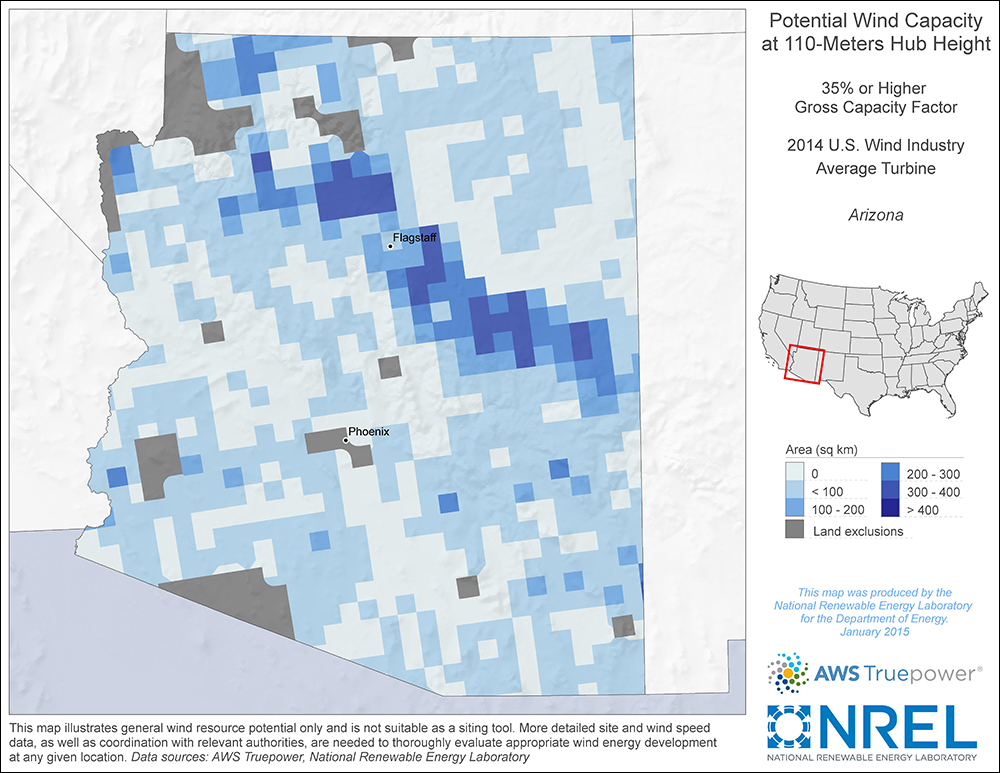
The Chevelon Butte Ranch is 20 miles south of Winslow and owned by the O’Haco family. While providing renewable energy and jobs to northern Arizona, the leasing agreement will also help the ranch sustain operations. According to a map created by the federal Office of Energy Efficiency and Renewable Energy, Coconino County is prime territory for an effective wind farm. In relation to the map, the planned location for the wind farm is in the region southeast of Flagstaff. Terrance Unrein, senior permitting manager at sPower, is excited about the project and hopes it will “bring decades of economic benefits with the largest wind farm in Arizona.”

Map of general wind resource potential for the state of Arizona

Grant DeLisle

Design a site like this with WordPress.com
Get started