Trump Saved by the Senate, Again.

Senate Republican leader Mitch McConnell announced his willingness to vote on the conviction of former president Donald Trump on January 13, but has since changed his mind. McConnell, supposedly livid about the insurrection on January 6, has backed down from his support of legal conviction in order to avoid a large-scale fight, or even censure, from the Republican party. On Tuesday, 45 GOP senators voted that Trump’s impeachment was unconstitutional because he is no longer holding office, meaning impeachment will not pass. There would need to be at least 17 Republican votes to secure the 67 needed to finalize impeachment, and with the Republican senators speaking against it, those numbers are highly unlikely.
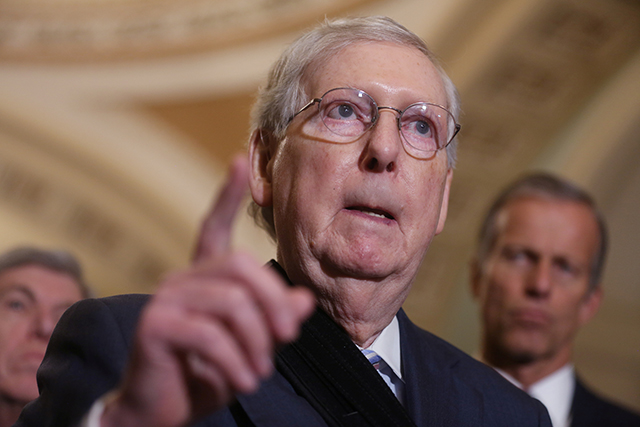
Mitch McConnell

The Republican senators continuing to protect Trump goes to show the enormous amount of power he still has over the party. As previously mentioned, GOP senators are saying the impeachment trial is unconstitutional because Trump has left office, but Democratic senators are arguing the impeachment of a former secretary of state in 1876 who had already resigned from the position, questioning why the rules are being bended for Trump.

Biden has stated his support for the impeachment of Trump, however he has also recognized the lack of support from Republican senators, knowing without 2/3 votes, Trump will avoid impeachment for the second time. Biden stated if Trump had 6 months left of his term, the 17 votes needed for impeachment would be absolutely achievable.

If you have any further questions, please contact CIMA Law Group.

New COVID-19 Variants, New Vaccine?

Now over a year into the United States’ coping with the coronavirus, we have more solutions and still more problems than we had before.

Scientists have identified a few new variants of the virus: the UK’s B.1.1.7, South Africa’s B.1.351, and Brazil’s P.1. With these variants, there comes new risks: how much easier can these variants spread? Are they substantially more dangerous? And of course, will our current vaccines recognize these variants?

In essence, we are not yet sure. It is likely that the vaccines may have to be updated and revised if efficacy proves to be a problem, but scientists agree that the best course of action is to continue to vaccine people as fast as possible, while remaining vigilant about protective measures.

A dose of Johnson & Johnson’s vaccine candidate was prepared at the Rocky Mountain Regional VA Medical Center in Aurora, Colo., last month.
Michael Ciaglo/Getty Images, NY Times

Johnson and Johnson have recently announced that they too have a vaccine, but studies have shown that “the vaccine’s efficacy rate dropped from 72 percent in the United States to 57 percent in South Africa, where a highly contagious variant is driving most cases”. However, there is some good to take from this: Johnson and Johnson’s vaccine only requires one dose, is transported easier, and has been tested as effective, overall. Most importantly, it will provide the world with more seriously-needed doses, at a time when hope may be running thin.

Keep up with our blog, as we post several times a week from our office at CIMA Law Group.

What is Biden’s plan for climate control?

The climate has been slowly changing since the beginning of time, but these changes are starting to become (and are projected to become) more problematic within the next couple years. Biden already has proposed to spend trillions of dollars to try and combat the crisis of global warming. People are comparing his plan with Obama’s plan and they are quite different. The distinction between the two is that climate change seems to be a top priority to Biden whereas it did not seem like that as much throughout Obama’s presidency. Although climate activists are excited for this push the oil industry warns of high costs if this proposal goes through.

Who did Trump pardon?

With the Trump presidency now behind us and the recent terrorist attack on the Capitol Building, January 6, 2020, there has been much anticipation over who Trump would pardon at the end of his run.

Those who were involved in the attack on the Capitol, under Trump’s own insistence , believed that they would be pardoned due to their loyalty to the Trump administration. Jacob Chansley (pictured below), one of the more prominent rioters is now begging from prison for Trump to come to his aid, saying he was “duped” by Trump. It is not only the rioters who believed they would be protected by Trump’s pardons. There were many rumors indicating that Trump would pardon Netflix sensation Joe Exotic. In fact, Exotic’s legal team was seriously expecting a pardon from the Trump administration.

https://r.search.yahoo.com/_ylt=Awr9FqxdORBgCBAARGajzbkF;_ylu=c2VjA2ZwLWF0dHJpYgRzbGsDcnVybA–/RV=2/RE=1611704797/RO=11/RU=https%3a%2f%2fwww.kaaltv.com%2fnews%2ffeds-capitol-mob-aimed-to-assassinate-elected-officials%2f5978981%2f/RK=2/RS=NvfqldtkoxdnpjSv59dwxVx6H0I-

However, despite these expectations, none of the Capitol rioter nor Joe Exotic were pardoned from Donald Trump on January 20, 2020. Here are some of the major names out of the 73 individuals that were actually pardoned by Trump at the end of his presidency.

  • Steve Bannon: Trump’s former Chief Strategist charged with defrauding contributors for the border wall
  • Robert Hayes: Former chairman of North Carolina Republican party charged with bribery and conspiracy to commit fraud
  • Lil Wayne: Rapper/Musician charged with illegally carrying an illegal weapon and ammunition, as well as one other prior gun conviction
  • Charles Kushner: Ivanka Trump’s father in law, charged with 16 counts of tax evasion
  • Joe Arpaio: previous 5 time sheriff of Arizona, charged with defying court orders to stop detaining individuals due to racial profiling
  • Susan B. Anthony: women’s suffragette charged with voting illegally
  • Kodack Black: Rapper charged with falsification of documents attempting to purchase a gun

For a full list of the individuals pardoned by Trump please visit the Department of Justice website . For any legal questions please visit our site and reach out to us.

Lawmakers urge Biden to commute death row sentences

It is no secret that there are thousands of people on death row in the United States. Many people, especially Democratic lawmakers, feel as though the death penalty is a grave injustice in the criminal justice system and that it needs an alternative solution. As of lately, Democratic lawmakers have been urging the President to consider a more restorative justice approach when deciding how to handle the inmates on death row. Democratic representatives claim that by incorporating restorative policies, the criminal justice system will see a positive transformation as well a reversal of systemic injustices.

It is important to note that a commutation would not let prisoners get off easy by any means. A commutation would have prisoners sentences reduced but they would not be cleared of the charges or have to be released from prison. With that being said, the lawmakers advice to Biden was to replace the death sentences with sentences of life in prison. Democrats have been hard at work for a while in hopes of getting legislation passed to abolish the death penalty at the federal level. Although Biden has mentioned wanting to work with Congress in order to pass a law to eliminate capital punishment, realistically it will take months at the very least to see real change, that is if any laws end up being passed.

Sotomayor: 13 executed under Trump administration 'deserved more' from  court | National Catholic Reporter

All of the controversy in regards to the death penalty got stirred up due to President Trump’s administration deciding to resume the practice after two decades of there being no federal executions. One of the executions was scheduled just days before Biden took office. The scheduling of executions not only in a transition period, but so late in a presidency raised criticism for Trump and his administration. Due to this, it is looking like Democrats will not be letting up on Biden until they see action being taken.

If you have any questions in regards to death row or death penalty legislation contact CIMA Law Group.

U.S. real estate hits a boom since 2006

While the U.S. traditional lower income households were affected by COVID-19 badly, 10.74 millions unemployment population in December 2020, higher income households intended to purchase real estate for more sustainable investments and bigger home office due to popular remote working.

Sales of existing homes in the United States rose 0.7 percent in December, pushing the entirety of 2020 to a pace not seen in 14 years and providing one of the few bright spots for a US economy mired in a global pandemic.

Rising sales in the final month of the year lifted activity to a seasonally adjusted annual rate of 6.76 million units in December, the National Association of Realtors (NAR) reported Friday. Sales have been boosted by record-low mortgage rate. “Home sales rose in December, and for 2020 as a whole, we saw sales perform at their highest levels since 2006, despite the pandemic,” NAR Chief Economist Lawrence Yun said. “What’s even better is that this momentum is likely to carry into the new year, with more buyers expected to enter the market.”

Should You Sell Your Home During the Coronavirus Pandemic? | Time

Homebuilders have struggled to keep up as sales of new and existing homes boomed, with inventory dropping to 1.07 million units, 16.4 percent lower than November and down 23 percent from the year-ago period. Unsold inventory is at a 1.9-month supply, NAR said, an all-time low.

Joel Kan of the Mortgage Bankers Association warned the rising prices and tightening inventory could cut into future sales. “More acute affordability challenges will emerge if inventory stays this tight and home-price growth continues to accelerate,” he said in a statement. “This in turn would be especially challenging for first-time homebuyers, who make up a third of all home sales.”

In federal level, new President Joe Biden has proposed few policy to improve the U.S. housing environment, such as follow:

  1. proposed a $15,000 tax credit for first time home buyers
  2. seek to eliminate 1031 exchange rules
  3. remove the SALT cap
  4. decrease in Federal Estate exemption
  5. invest $640 billions for housing affordable project
  6. further fair housing rules and HOME acts

CIMA law group follows closely policymaking process in U.S. real estate industry. Follow us for more up to date news.

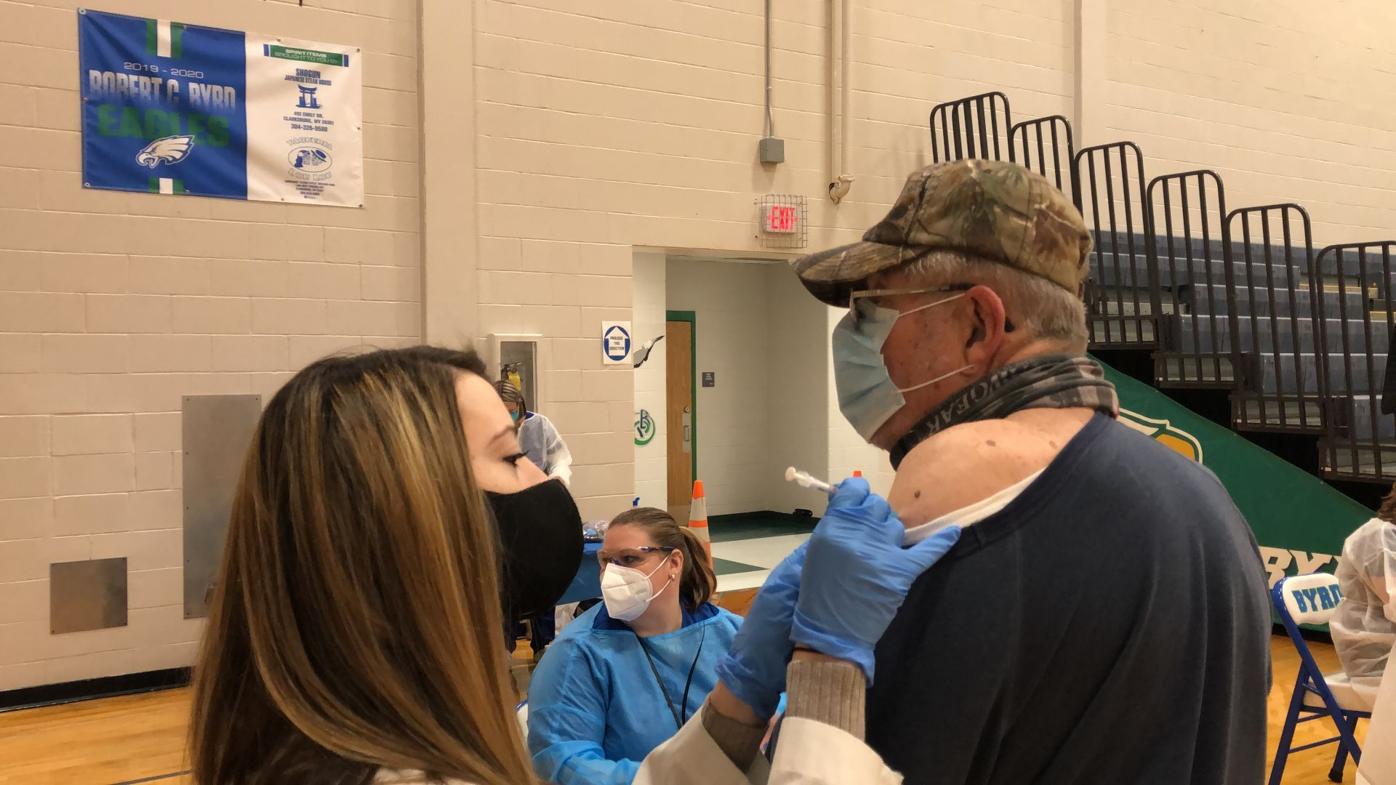
The Impressive West Virginian Vaccination Rollout

West Virginia has ultimately posed itself as the odd one out by deciding not to have taken the route the rest of the country veered toward, that is simply by taking matters into their own hands. Instead of contracting out to private companies to facilitate and coordinate vaccination efforts to specific subsets of civilian populations such as nursery homes and first responders, West Virginia Governor Jim Justice felt it is unnecessary to contract with these major American corporations because of their little presence within the state. Instead, the state government found an alternative by actively participating in vaccine facilitation of their own state property units and local pharmacies. The results showed very promising results outpacing the rest of the country much like California, who fell well short of the 1 million additional inoculations that had been promised during a 10-day period ending last week. 

More than 350 Harrison County (West Virginia) school staff receive first  COVID-19 vaccine Thursday | WV News | wvnews.com

This interesting analysis recently made coverage as accredited journalist Alex Leo stated how she “did a dive today into why West Virginia is so rapidly outpacing other states in their vaccine distribution and it turns out one reason is they did not sign the agreement with CVS Pharmacy and Walgreens that 49 other states did.” Going on to state, “For one thing, West Virginia has been charting its own path to vaccine distribution. All 49 other states signed on with a federal program partnering with CVS and Walgreens to vaccinate long-term care and assisted living facilities. But those chain stores are less common in West Virginia, so the state instead took charge of delivering its vaccine supply to 250 pharmacies – most of them small, independent stores.” Regardless, government reliance and power is a polarizing issue within U.S. politics, this study shows that private corporations might not conduct better in every situation and can be out-done in certain circumstances. Yet, it is ultimately the American people who decide the imbalance of our seesaw which all comes down to trust of either institution.

Recreational Marijuana Use Now in View; ADHS Approves 73 Business Licenses to Sell

Arizona’s ballot Proposition 207 passed with a wide margin in November 2020. Jokingly know as the “Pot Prop”, the measure legalized the possession and and use of marijuana for adults over the age of 21 as well as the growth of no more than 6 marijuana plants per residence. With the proposition having a large base of support, there has been quick movement into the legislative end of the bill and as of January 20th 2021, the Arizona Department of Health Services has received 79 business applications for the recreational sale of marijuana with 73 being approved and 6 currently pending. With 18 dispensaries in Phoenix alone receiving approved licenses, many locations opened sales on Friday the 22nd and are forecasted for a busy weekend.

“We’re ready,” Steve Cotrell with Curaleaf said. When speaking on the uptake of supplies he notes, “It’s a lot. I think we went from around 2,000 pounds (of marijuana) in a month to more than 7,000 pounds,”. Clearly, they’re expecting a big demand.

Despite the excitement around the decrease in regulations, the idea of marijuana use in Arizona still has its fair amount of critics. Specifically, Governor Doug Ducey has continued his stance against Marijuana use, opposing prop 205 in 2016 and 207 in 2020. In November to the press he stated, “In 2016, Arizona voters rejected legalizing recreational marijuana because it was a bad deal based on false promises. Today, the same is true with this new ballot measure.”

But many hope that the 16% tax on marijuana products, similar those imposed on alcohol and tobacco, will generate much needed revenue for the state as the Covid-19 pandemic has decreased income for local governments across the country.

Boebert’s Questioning Start to Capitol Hill

Lauren Boebert, Republican House member from Colorado, has released a video pledging to carry a loaded handgun to and from the Capitol every day. A strong advocate for the second amendment and the presidency of Donald Trump, Boebert has yet to begin her term and is already facing a $5,000 fine for refusal to go through a metal detector before entering House Chambers. The use of metal detectors on congress members is a new rule Pelosi implemented following the violent mob attack on the Capitol the first week of January, which the FBI suspects could have been an inside job. This is her second refusal to comply, as on January 13, she refused Capitol Police from searching her bag after setting off a metal detector. A second offense would cost Bobert another $10,000.

Lauren Boebert

Boebert is also under immense backlash for reportedly giving a large tour of the Capitol days before the insurrection occurred. Claiming it was her family members, Boebert attacked Rep. Steve Cohen, accusing him of spreading an extreme left-wing conspiracy. Rep. Cohen made a statement about the tour, saying both him and congressman John Yarmuth saw Boerbert and a group of people making their way out of the Cannon Tunnel on January 3rd or 4th.

On top of this scandal, Boebert has released her top three bills to push on the House floor, all aimed at President Biden’s executive orders. The first bill would prohibit the U.S. from spending any money on rejoining the Paris Climate Agreement. The second would prevent funds to the World Health Organization. The last bill aims to overturn Biden’s federal mask mandate.

If you have any follow-up questions, please contact CIMA Law Group.

COVID, Evictions, and the New Year

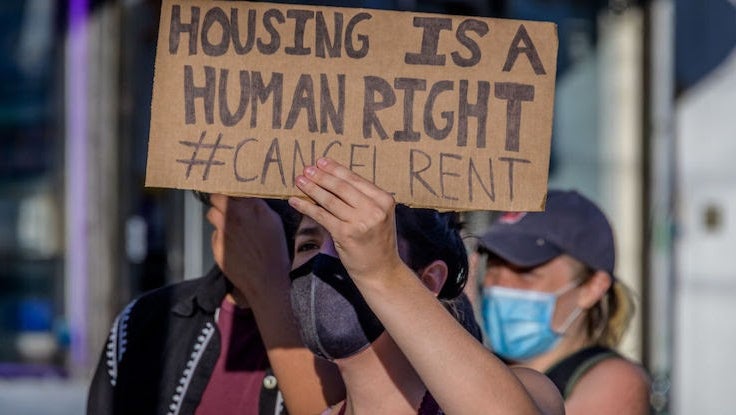
March 27th, 2020, now previous President Donald Trump signed and approved the the Coronavirus Aid, Relief, and Economic Security (CARES Act). Under this act 2.2 trillion dollars was utilized to assist the American public that had been hit hard by the consequences of the Covid-19 virus. Part of this bill momentarily halted the process of filing evictions in order to protect tenants financially struggling in the wake of Covid-19. With many aspects of the CARES act having expired December 31, 2020 there may be some concerns of what happens now under the new Biden presidency. So when it comes to evictions and struggling with COVID-19, what happens now? Here is what you need to know about evictions in 2021.

https://www.reference.com/world-view/what-are-tenants-rights-during-eviction

As of January 20th 2021, the CDC has announced that the Temporary Halt in Residential Evictions to Prevent the Further Spread of Covid-19 order will be extended until the last day of March 2021. However, these laws and guidelines may vary from state to state. As of now, in the state of Arizona, this extension will last only until January 31, 2021, a full month leass, as posted on the Arizona Judicial Branch website. There is speculation that this date may be subject to change by order of the CDC. But as of now, this shorter state wide extension covers tenants who:

  • have tried to procure government housing
  • are unable to fully cover rent from a loss of salary
  • are attempting to pay partial rent on time
  • would be homeless or displaced to shared living if evicted

It is important to note that to qualify for this order’s protection, tenants must

  • expect to earn no more than $99,000 as an individuals in 2020
  • expect to earn no more than $198,000 with filing as a joint tax return in 2020
  • not have been required to report income to the IRS in 2019
  • have received an stimulus check due to the qualifications of the CARES Act

If you are an individual who has lost substantial hours at work, has had wages cut, been laid off, or have had extreme medical bills during the COVID-19 pandemic, you may qualify for eviction prevention. Please keep yourself updated on these laws, as they are subject to change as the COVID-19 pandemic continues on.

For more information on qualifying for eviction delay and the current eviction laws in the state of Arizona, please visit the Arizona Judicial Branch website. Or contact us on our website to help answer any legal inquires you may have on evictions in 2021, in the state of Arizona.

Design a site like this with WordPress.com
Get started