Police reform in Arizona

AZ House Passes Police Reform Bill; Lawmakers Divided | Phoenix ...

For many supporters, there has been a sense that the police department has not fairly kept their oath to both protect and serve the community, but rather create violence and oppression towards communities like that of the Hispanic and Black communities in America. Though the in the last few weeks $3 million was granted to civilian oversight board so there would be more to be done to stop the systematic racism seen in our police force in Arizona. Though there is a long list what needs to be done there is all different opinions on which best to create a fair department. Some supporters would desire to completely eliminate the system of having no police force while others believe to defund it is change the system entire and allocating necessary funds equally to other areas like that of community development and infrastructure. CIMA Law has looked at different solutions that could be more impactful reform that can create a more trustworthy system without eliminating the department completely.

Creating a more diversified police department especially in high power positions in the department will go along way to create a sense of connectiveness with the community and the police department. Matt Giordano, executive director of Arizona POST believes there is no denying it in our states main department board is made up of all white men. The 13 members include The Arizona attorney general, the Department of Public Safety director; the Arizona Department of Corrections director; an administrator of a county or municipal correctional facility; two sheriffs, one from a county with less than 200,000 people; two police chiefs; a patrol officer or sergeant, one from a city police department and the other from a sheriff’s office; a college faculty member; and two public members. As well the selection process is based on State law mandates in which some positions are awarded by title and others the governor appoints the others. That’s where it can be a little difficult for diversity to be created within this board. The leadership board could do better to have more representation from diverse groups within Arizona and to be pro motive of diverse leadership that would represent most of Arizona.

As we know it is difficult to be a police officer in today world that deals with many issues that the police really don’t need to be much part of especially dealing with mental health situations and homelessness. In light of the tragedies these last months many believe to have social worker professionals be part of the co response team with police officers could positively impact situations that can be diffused easily without the Brut force of a police officer. One example the AZ police departments could copy is the CAHOOTS response team in Eugene Oregon. This crisis intervention teams typically do not include an armed, uniformed officer but do feature counselors, social workers, and paramedics. Even if the cops are at the scene usually with mental health or homelessness situations the police back off let them do their work to diffuse the situation. To allocate money towards successful programs like this would probably one of the biggest game-changers in which decrease tensions for the both the police and the communities. As well we need to work on creating solutions that don’t involve locking up people especially if its small offenses like misdemeanor or drug offenses. For example, for many years people years in prison just for having drug possession or using it without necessary help or given the change behaviors. For drug addicts, they should be sent to programs to help themselves get better while other offenses could be done with community service or probation.

Lastly, the departments across America including that of the Arizona departments need to reform disciplining and firing of “bad apples”. However unions arbitration and bargaining has made it very difficult for supervisors to hold officers accountable for their actions and difficult to for screening of habitual misconduct when many cities departments erase misconduct actions after a certain time. In Phoenix many news articles in 2019 came out that the department purged the records of misconduct officers so they wouldn’t be more disciplined as they should. The practice, which the Department refers to as “purging,” has been standard for more than two decades under the police union’s contract in which states the contract prohibits misconduct details to be in the purged records from being considered in future disciplinary investigations or performance evaluations. It has lead some advocates and experts believe in a cascade effect in which police oversight, shielding misbehaving officers from public scrutiny and depriving supervisors of information about officers’ conduct. It also would allow misbehavior to go undetected, and officers to remain employed. The Arizona Republic did a month long investigation and concluded almost 600 cases were purged from records in the last 5 years. Of the Phoenix Police Department’s 3,000 sworn employees, there was around 525 have purged disciplinary records, which range from small minor accidents to excessive use of force. The number includes sergeants and lieutenants who supervise other officers and investigate allegations of misconduct lodged against them. This system needs to changed how we have officers be more accountable for their actions and there should be more freedom for supervisors to discipline their officers correctly based on their actions and to have records not purged so that to make sure an officer does not get promoted or re hired for repeated misconduct. As well if harm has been done it is important there is a legal compensation for the victims. There should be a sense no one is above the law even for those who enforce it.

Hopefully in the near future, Arizona will be seeing changes like these if they truly want to change the systematic racism that has cost the lives of thousands. If we want to see a better service done by the police department we need to give equal voices to all members of Arizona’s society and create accountability so we can rebuild trust.
Cannabis Dispensaries Among Grocery Stores and Doctors’ Offices as “Essential” Businesses

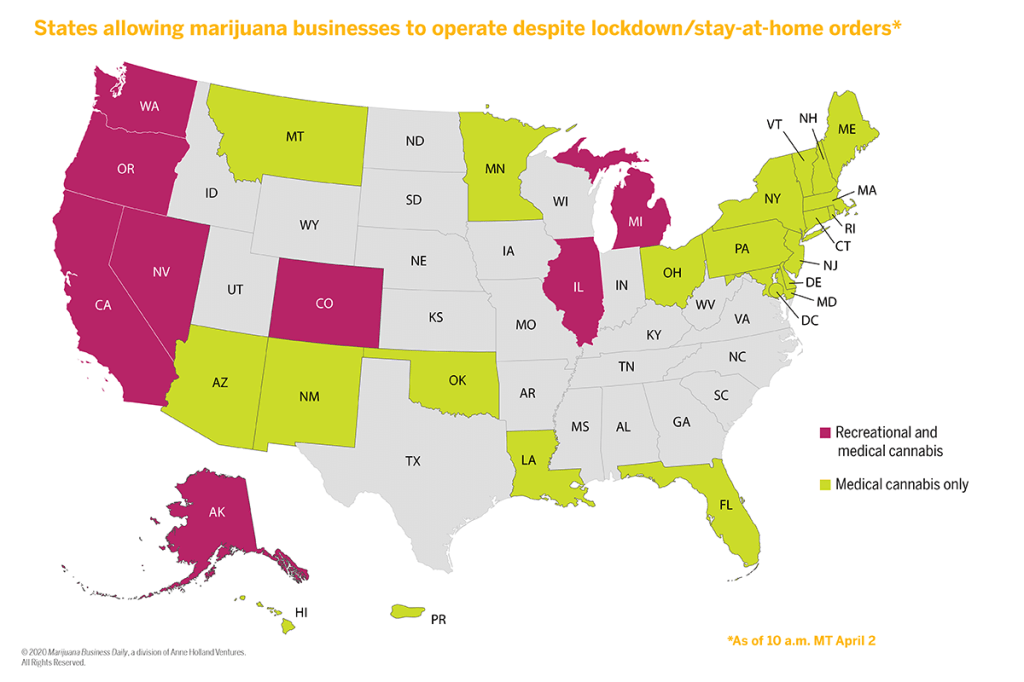
Amid the COVID-19 pandemic, many states in the U.S. have deemed medical marijuana organizations “essential” businesses. The state of California took the lead by being the first to declare cannabis an “essential” business. California Governor Gavin Newsom categorized cannabis dispensaries in like manner of pharmacies, keeping medicinal – as well as recreational – dispensary sales open and implementing safety measures such as delivery, curbside pickup, increased sanitation, and social distancing when physically in shops.

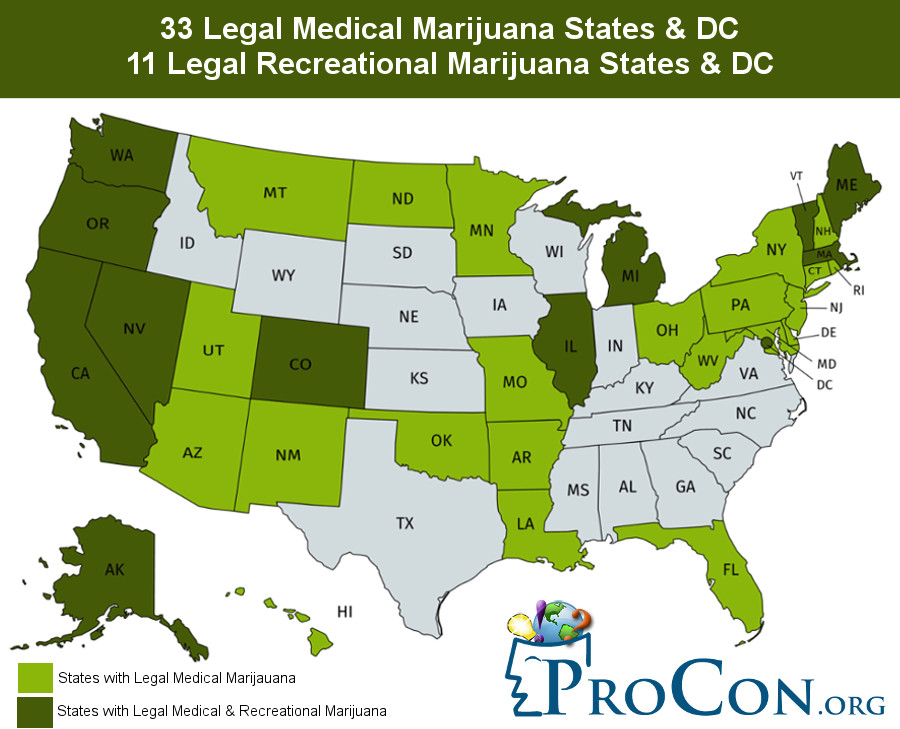
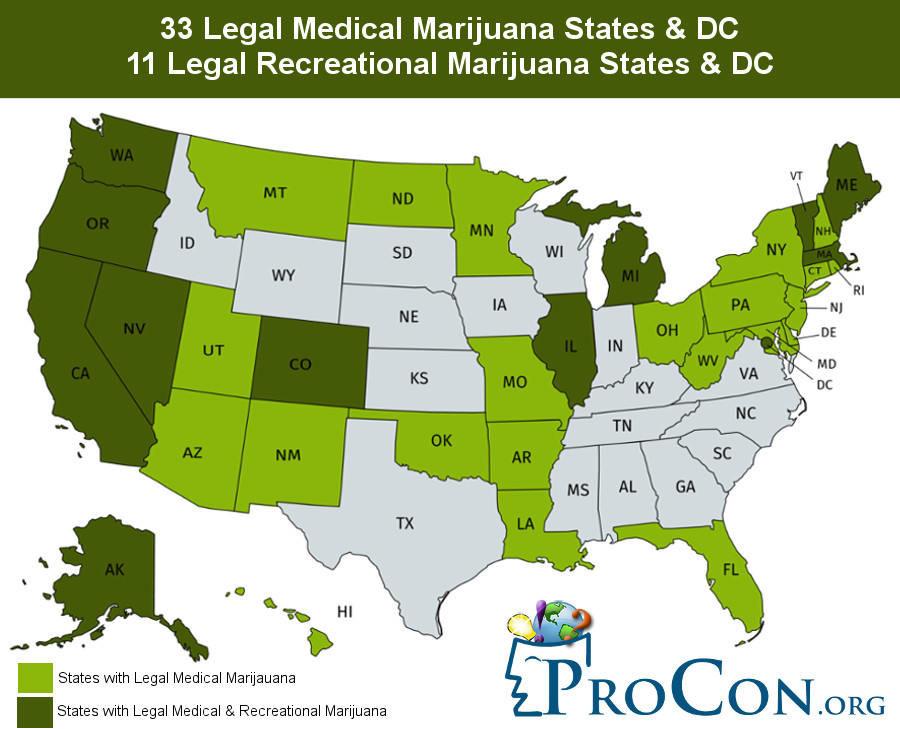
Of the 33 states which have legalized medical marijuana, the majority have voiced that patient access to marijuana is essential for health-related reasons. Randal Meyer, the Executive Director of the Global Alliance for Cannabis Commerce, stated,

“In the 33 states that have legalized medical cannabis, patients need to purchase medicine for cancer, epilepsy, post-traumatic stress disorder, and other conditions. There is a good reason for cannabis retailers to be treated like pharmacies. The basis is medical.”

– Randal Meyer

Many states, such as Arizona and Alaska, have not explicitly named cannabis companies in their stay-at-home orders or lists of essential businesses. However, in states legalizing medical marijuana use, cannabis dispensaries remain open — with safety measyres put in of course. For example:

  • Arizona dispensaries are operational and many cannabis retailers can be found in the state’s categorization of “essential” businesses as part of the healthcare sector.
  • State-licensed cannabis companies in California are allowed to continue their operations.
  • Both medicinal and recreational marijuana retailers in Colorado remain operational under executive order, but medical dispensaries remain open while recreational dispensaries are confined to curbside pickup.

The guidelines and stipulations for cannabis companies’ operations vary from state to state amid the COVID-19 pandemic, but rules and regulations are centered mainly around safety measures that promote social distancing between retailers and consumers and increased sanitation practices.

California’s ACA 5 debate: to repeal or not repeal Prop 209?

Affirmative action in California: U.S. Supreme Court likely to ...

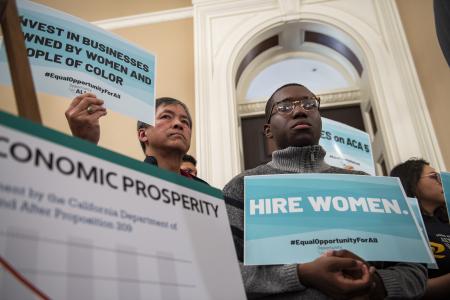
In 1996, California amended the state’s constitution to allow Proposition 209 to disperse affirmative action within California and try to create equality in which prohibits state governmental institutions from considering race, sex, or ethnicity in areas of public employment, public contracting, and public education. However many Californians believed that the Proposition, in all actuality, did more harm than good for minorities and women. Especially when it came to admissions for universities and opportunities for businesses run by minorities and women. A new bill of legislature called ACA 5 which if passed all votes will be repealing Section 31 of Article I at the November elections. Assembly-member Shirley Weber who has been the front-runner for ACA 05, believes this renewal energy to stop systematic racism could get the necessary push to vote for repealing of article 3 and that this generation of Californians have the opportunity to decide their fate on this matter.

Support of ACA 5: re-enact affirmative action

 Universities are obliged to give equal opportunity to all students no matter race, gender, and creed however many believe because of Proposition 209 the system has failed minorities by not making sure there is equal representation for minorities in California’s universities system. According to information provided by The Education Trust-West and SacBee news agency recently the graduating high school class of 2019 had 53 percent of Latinx students, and 6 percent were Black, However, in the same year only 25 percent of the UC freshman class of the same year were Latinx, and 4 percent were Black, thus the data represented for supporters that there is a great disparity between minority students and white students counterparts acceptance rates. One supporter by the name of Varsha Sarveshwar, who is the president of the University of California Student Association best sums it up that If a university can judge every aspect of the student experience in life then it needs to be consciousness about race which is part of that student’s lived experience.

As well as Prop 209 has not just affect college admissions procedures but as well as employment and minority businesses. The Equal Justice Society claim  Proposition 209 not only ended race-conscious programs in California but as well ended the collection of procurement data which gives a person the data needed to purchase from vendors in a preferred group even if they are not the cheapest option. As well as limiting opportunities to minorities and women-owned businesses to receive public contracts. The costly effect it has on women and minority-owned businesses billions of dollars in state contracting opportunities which ranged from $1 to $1.1 billion dollars annually. The color-blind system of Prop 209 has done the opposite of what it was made to do and the belief by supporters is that California needs a race-conscious system to help fix the racial disparities

Opponents of ACA 5

Voices heard for the opposition of ACA 5 including the  Chinese American Californians believe affirmative action is its own reverse discrimination that will affect many of their own children from going to high-quality schools like Standford and such. Assemblyman Steven Choi has been a strong opponent and stated from the San Francisco Chronicles that “The act of giving special or preferential treatment to someone based on their race is racism itself, or on sex is sexism”. As well many Asian Americans like Assemblyman Choi have said that they believe in the American dream that they were told (many Asian Americans are immigrants) that based on your hard work not on your skin color that people can obtain the goals. The Asian community was one of the reasons there was strong opposition towards pass bills that would repeal Prop 209 like SCA 5 in  2014.

 Another argument made by opponents is that  Prop 209 is not “origin of this evil” but in all actuality points towards California’s public education system. Op-Ed claims that the UC Academic Senate task force found that there was a 22-percentage point gap between the share of the underrepresented minorities in the grade 12 class and the pool of California resident students admitted by UC. The thought is that this gap can be explained by factors that precede admissions and in context it is not the impact of Prop 209 or the admissions process, but rather the practices and performance of the K-12 school system before students even got to the admissions process. As well  California has not done enough to help undeserved schools and disadvantaged students, especially for academic outcomes for high-needs students in these undeserved schools. Therefore rather than to blame Prop. 209, their wider socio-economic problem such as inefficient spending, unequal access, community segregation, and a shortage of qualified teachers, that are at play in this disparity we see today.

Reviewing both sides there is no right or wrong argument, each side desires to do what is best for the citizens of California. If the vote goes through June 25 we will see what this generation of Californians desires for their future.

DACA Supreme Court Ruling: How will it affect DACA moving forward?

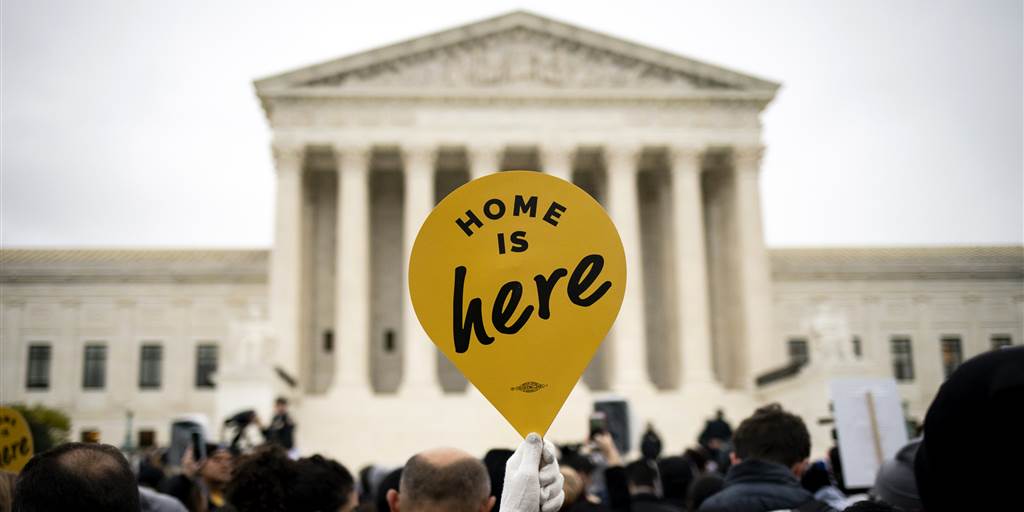
In a huge win for DACA recipients across the country, the Supreme Court ruled on Thursday that the Trump administration cannot shut down the Deferred Action for Childhood Arrivals program. The program has allowed over 800,000 young people who were brought into the country as children to avoid deportation, and continue to live and work in the United States.

Chief Justice John Roberts (the swing vote in the decision) wrote the majority opinion for the ruling, which cited the administration’s lack of clarity and detail in their justification for ending the program as the principle reason they could not move forward. This reasoning has left the door open for President Trump to potentially try to end DACA if his administration writes a more detailed explanation, but many political analysts project that this might not happen so close to the presidential election. By ending such a popular program in the midst of so much political and social turmoil, President Trump runs the risk of taking an even bigger hit in the polls.

If the Trump Administration does file new papers, it is likely that they will be closely followed by lawsuits and attempts at federal injunctions to prevent the end of the program, which is what stopped the end of the program in 2017.

While this is a big win for DACA-recipients and puts the minds of many young people across the country at ease, DACA is not yet out of the woods. A lawsuit filed in 2018 by Texas and six other states claims that President Obama overstepped his authority by launching DACA. All sides in the case have been ordered to file new papers by July 26th in light of the supreme court ruling, but the ruling has also given some traction to the suit.

One of the main questions seeking to be answered in the Texas suit is whether or not DACA was simply an exercise of President Obama’s discretion in how immigration law should be enforced. Chief Justice Roberts clarified this question in the eyes of the Supreme Court, and stated that DACA’s detailed system of evaluation and affirmative immigration relief makes it more than a nonenforcement policy. By clarifying DACA’s status as a program, the ruling may have given the Texas suit a boost. This boost makes the lawsuit the biggest threat to the program at this time.

A study conducted by the Immigration Initiative at Harvard shows that over 90% of DACA recipients have jobs, and nearly half are in school. Many do not speak the language of their birth country, and many do not have significant familial or social ties there either. DACA protects childhood arrivals from being sent away from the country that they consider to be their home, and while the Supreme Court ruling is a big win for those young people, true feelings of security and safety will only come with permanent protection.

In the words of DACA recipient Antonio Alarcon, “today we celebrate; tomorrow we fight.”

A Comprehensive Examination of Operation Casino Royale

The LA City Council has been embroiled in an FBI investigation probe over racketeering and bribery accusations for over three years, codenamed “Operation Casino Royale.” A number of people have already pled guilty to these charges and still more are being investigated.

 To provide legal definitions, according to the Federal RICO Act, racketeering is: A pattern of illegal activity carried out as part of an enterprise that is owned or controlled by those who are engaged in the illegal activity. Whereas bribery is: Corrupt solicitation, acceptance, or transfer of value in exchange for official action.

In this case, members of the LA City Council and those close to them are the enterprise that is partaking in a pattern of illegal activity, which is bribery. It is important to note before we continue that merely accepting or transferring the value associated with a bribe constitutes bribery under federal law. The City Council Members are accepting and soliciting bribes in exchange for their official action.

The general pattern of activity has been bribery being solicited and accepted in the LA City Council in exchange for speedier and more favorable land development for big money projects. The enterprises handing out the bribes have been varied with some Chinese land developers and other LA-based enterprises. This mode of having speedy development projects in Los Angeles is not new, the highly influential former LA Deputy Mayor Raymond Chan was famous for his exceedingly cavalier attitude towards building projects. Chan was also constantly suspected of dealing in illegal activity associated with this goal. Tellingly, current LA Mayor Eric Garcetti called Chan, a “true public servant.” Therefore, this newly uncovered web of bribery can be viewed as a symptom of the legacy of Raymond Chan.

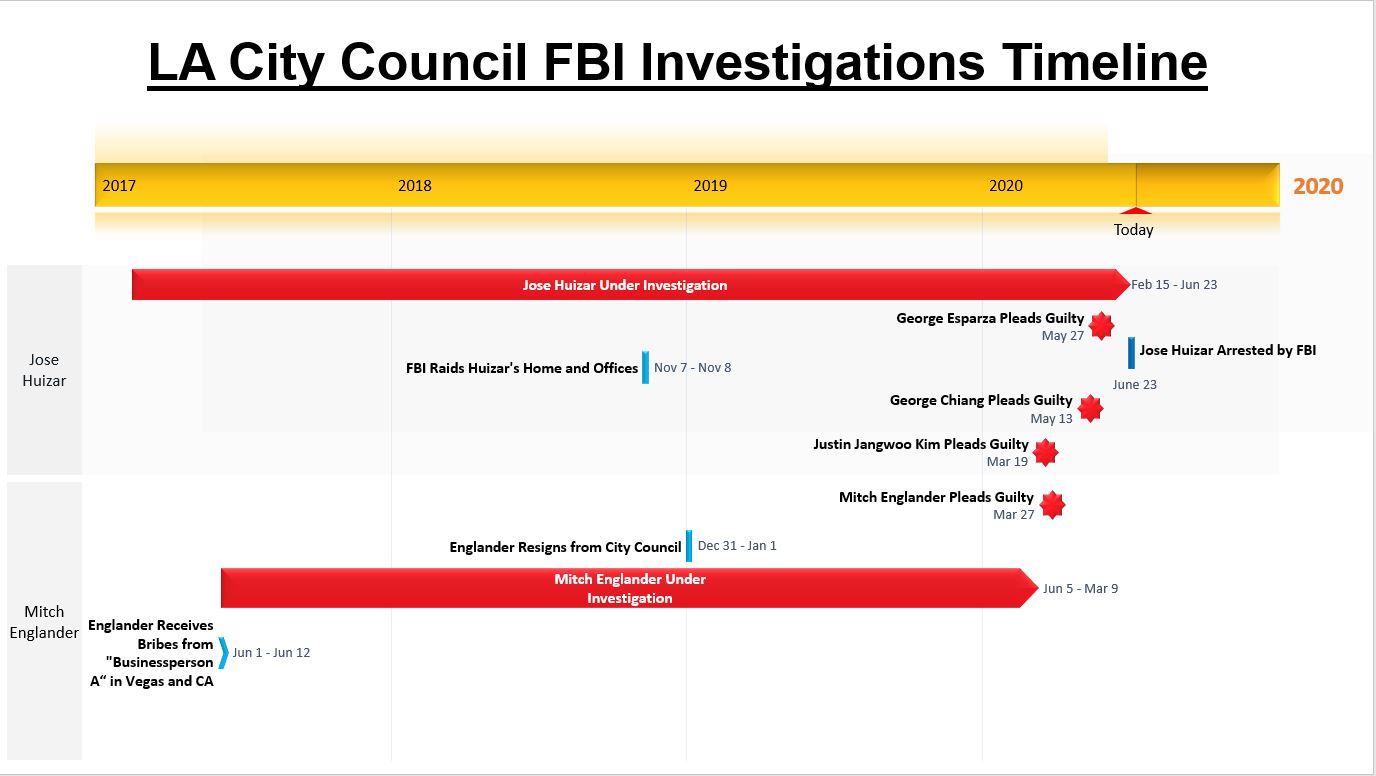
The first uncovered instance of this activity involved Mitch Englander, former LA City Council Member, and his Chief of Staff John Lee* accepting bribes from a Chinese land developer in Las Vegas in exchange for their Official support of their land development proposal. The bribes included escorts, money and pampering accommodations. This activity happened in early 2017. Since this date, Mitch Englander lied about his participation in the scheme to the FBI on several occasions and attempted to cover up his involvement. He pled guilty to lying to the FBI in March of 2020 and further charges may be on the cards. John Lee, on the other hand, has not yet pled guilty but instead is currently occupying the seat on City Council that Mitch Englander vacated. Clearly, the two were intimately connected and the FBI is undoubtedly continuing an investigation on John Lee.

Another major development in the investigation has been the ongoing probing of Jose Huizar and his associates. Huizar is currently serving on the LA City Council, but recently LA Mayor Eric Garcetti has called for his resignation. Huizar is suspected as a main player in the bribery scheme in City Hall. One of his former aides, George Esparza, pled guilty to a Racketeering Conspiracy of soliciting luxurious vacations and other bribes in exchange for favors in City Hall. Considering that Jose Huizar is the actual decision maker, he is undoubtedly guilty of Racketeering Conspiracy as well. Huizar is currently playing it close to the chest and limiting his activity in City Hall, but is clearly under immense pressure to follow the path of his compatriot Mitch Englander and resign. ‘

Update 6/23/20

On June 23rd, the FBI, armed by a nearly 180 page long affidavit arrested Jose Huizar under the RICO Racketeering charge. He is alleged to have accepted around $1.5 million in bribes over several years while performing his duties in LA City Hall. Keeping with the theme of the Casino Royale, the bribes contained among others things cash, lavish meals, spa treaments, casino chips, private jets and trips to luxurious hotels. Also included was financial support for Huizar’s previous reelection bid. One particularly lurid allegation is Huizar accepting up to $800,000 worth of bribes from a Chinese investor who was said to have wanted to build the biggest building on this side of the Mississippi. Additionally, the federal allegation states that in an effort to maintain the flow of bribes, Huizar was planning on having his wife replace him on LA City Council. The FBI’s RICO conspiracy charge filed against Huizar carries a heavy weight, a minimum of 20 years in federal prison. Currently Huizar has been released under a $100,000 bond and is awaiting trial.

Two other ancillary individuals that have pled guilty to bribery include political fundraiser Justin Jangwoo Kim and Real Estate Development consultant George Chiang. Kim helped transfer a 500k bribe to an unnamed city council member who was most likely Jose Huizar. George Chiang pled guilty to being involved in a Racketeering Conspiracy again with an unnamed LA City Council Member. All of this points to there being a massive Racketeering Conspiracy in LA City Hall, with only a small fraction of those who are guilty currently being prosecuted.

The corruption charges and racketeering within City Hall has had an impact on current building projects in LA. The building developers involved in the bribery scheme are being exposed one by one. Carmel Partners, Shenzen New World, Shenzen Hazens Real Estate and an 940 Hill LLC formed by Dae Yong Lee, Jeok Suk Kim and Hyuk Lim are documented giving Huizar bribes.

The Carmel Partners have admitted to donating to Huizar’s election fund but they denounce most of the FBI report as opinions, lies and conjecture. The group has placed one of its executives who worked with Huizar on administrative leave. Their current building project on Mateo street is a mixed-use tower in LA’s Arts District. This project was facing heavy resistance in City Hall due to being a thirty-five story building in an area with mostly two story buildings and warehouses. This project was led through City Council by Huizar after the executive gave out numerous bribes and favors.

Shenzen New World chairman Wei Huang is alleged to have given Huizar $600,000 to settle a sexual harassment case. This is the same developer who plans to build a massive 77 story skyscraper which if built will be the largest building west of the Mississippi River.

Shenzen Hazens bribed Huizar and his staff to greenlight an 80,000 sq ft project including a 300 room hotel and hundreds of condo units.

940 Hill LLC is implicated to have given a $500,000 bribe to Huizar to a pass through a 20 story tower located on 940 South Hill Street right in Downtown LA.

All of these projects are still being pushed to construction by their respective firms.

Is this ridiculous level of corruption and greed unbelievable? No, unfortunately not. When informing people of this investigation, many just look at you as though it was implicit that this sort of activity is happening. Be that as it may, it is commendable that the FBI is taking their time to sort through this latticework of lies, bribery and racketeering to pass judgement on clearly unscrupulous people in positions of great power and influence in Los Angeles. One hopes that in the future, the LA City Council will be more heavily policed and have their insatiable appetites for land development reined in. 

*John Lee is not specifically named in the court documents but it is heavily implied that he was with Englander in Las Vegas

Helpful Links:

https://laist.com/2020/05/18/los-angeles-city-hall-fbi-corruption-investigation-timeline-englander-huizar.php

https://www.kcrw.com/news/shows/kcrw-features/jose-huizar-pressure-resign-city-hall

https://www.politico.com/states/california/story/2020/06/23/los-angeles-council-member-arrested-and-charged-with-bribery-1294173

https://www.justice.gov/usao-cdca/pr/los-angeles-city-councilman-jose-huizar-arrested-federal-rico-charge-alleges-he-agreed

Definitions:

https://legal-dictionary.thefreedictionary.com/Racketeering

https://www.law.cornell.edu/wex/bribery

Will Arizona be the next state to legalize recreational marijuana?

This November 3rd, voters will not only determine the next U.S. president, but they will also determine the fate of state-wide initiatives that have gathered enough support to make it to their ballot. In Arizona, voters are likely to see an initiative to legalize recreational marijuana for adults over 21 and to provide pardons for people previously convicted of marijuana-related charges.

What is the initiative?

Under “The Smart and Safe Arizona Act,” adults would be allowed to legally possess an ounce of marijuana at a time. The act would also establish over 100 recreational dispensaries and give local governments the power to control regulation, zoning, and licensing. Here is where proponents point to the potential of legalization to improve Arizona’s economy; in 2019, Colorado collected more than $302 million in taxes and fees on marijuana sales alone. Under “The Smart and Safe Arizona Act,” a 16% tax on cannabis sales would fund the enforcement of marijuana regulations and distribute the remaining revenue to police and fire departments, community college districts, and the state’s highway fund. 10% of those additional funds would also go towards a special “Justice Reinvestment Fund” aimed at preventing substance abuse and helping those disproportionately harmed by Arizona’s long history of anti-pot legislation. 

The second part of the initiative would decriminalize many marijuana-related offenses and allow people convicted of marijuana-related crimes to petition to have them cleared from their criminal record. Arizona currently has the fourth-highest imprisonment rate in the nation and the fourth-highest penalty for marijuana possession (up to 18 months in prison). This initiative addresses citizen concerns that the Arizona prison population has grown twice as fast as the state’s general population and that 7% of all Arizona arrests are marijuana-related. A report done by George Mason University School of Public Policy estimated that non-violent, marijuana-related arrests cost Arizona taxpayers $168,969,000 annually in criminal justice expenses (totaled from police, judicial and legal, and correctional costs). 

graphic comparing the incarceration rates of the founding NATO members with the incarceration rates of the United States and the state of Arizona. The incarceration rate of 698 per 100,000 for the United States and 877 for Arizona is much higher than any of the founding NATO members

Interestingly, there has been little organized opposition to the “The Smart and Safe Arizona Act” apart from a few businesses looking to get into the cannabis industry; they expressed concern that the initiative favors multistate operators who already own licenses to sell recreational marijuana. The lack of opposition may be due to the fact that the initiative addressed the majority of the concerns expressed in previous years. For instance, “The Smart and Safe Act” would ban the sale of products designed to look like fruit, animals, cartoons, or gummy bears. 

The Election 

It may be that “The Smart and Safe Arizona Act” will be one of the only Arizona state initiatives to make the general election ballot. To get on the ballot, citizen initiatives must collect upwards of 200,000 to 300,000 signatures by July 2nd, but despite the coronavirus pandemic limiting petitioners’ abilities to collect in-person signatures, the Arizona Supreme Court denied an emergency request for petition initiatives to collect electronic signatures. This means that the majority of ballot measures won’t have the time to gather enough support to qualify. However, before the state shut down, “The Smart and Safe Arizona Act” had already gathered 320,000 signatures, nearly 80,000 more than is required. 

Will the initiative pass? Amid the pandemic and larger national concerns, it may be too early to tell. Keep an eye out after July 2nd for updates on what initiatives will make it on your ballot come election day. 

  • Isabela von Dehl

Senator Sinema discusses her push for next round Stimulus Bill.

Kyrsten Sinema - Wikipedia

Senator Sinema has been fiercely advocating on the behalf of Arizonians to push for another Bi Partisan discussion into creating another round of Stimulus for the country relief effort during this pandemic. She made it clear in the on call discussion forum, in which CIMA Law management assistants attended, that the CARES Act was a good stepping stone however it is not enough.

As we know this has become hardest times we have faced in decades since World War II and Senator Sinema believes we need to come together from both parties to decide how to keep people from going under and get the economy running safely. She explained to the organizers of the meeting that she has 5 points she believes are the most crucial for not just Arizonians but as well the country if we can get another bill going.

Immediately cut red

We need to cut this red tape mistakes we have been running into this past couple of months. The federal government must develop distribution systems so that state, local and tribal governments are not forced to bid against one another to receive this crucial equipment for our hospitals and first responders. 

Boost the production and distribution of more personal protective equipment.

We shouldn’t be fighting each other for PPE we need to help one another out so we can all get the necessary protective supplies for frontline workers and first responders who are at the forefront of this epidemic war.

Strengthen the Paycheck Protection Program

It will allow $10 million dollars to small businesses that can provide for the payroll of their employees and operational expenses and make it easier for small businesses to tap into the loan since it will soon dry up.

Unemployment insurance

All Arizonians are guaranteed to get need support during these hard times including that of Supplemental Security Income or veteran income should not be denied rebate.

Invest in Broadband internet

800,000 Arizonians do not have internet resources especially those in rural areas that need such tools for their kids to go to school online and such. She wants to expand our broadband service and invest more in our schools but especially community colleges who have allowed people to get their degree at a reasonable price.

Develop housing assistance legislature and advocate for the forgiveness assurance.

One person on the phone asked Senator Sinema how she is going to protect, property owners of rental properties? and her response was There is  $50 billion dollar coverage by the state legislature for mortgages, However, only a small percentage has been given out which defeats the purpose of helping people pay their housing bills especially for property owners. On the federal level, She wants to increase  $75 billion for housing assistance bill to help pay for rent and mortgages if we have the next round of bipartisan agreements. She has a two-part plan in which focuses on firstly more mortgage driven solutions to give liquidity, so we do not see mass foreclosures and secondly to help renters and property owners pay their bills not just give referrals. She has also been lobbying for more regulatory assurance to stabilize the economy.

Many of the realtors are confused about how the IRS and the SB Treasury have not been clear on their ever-changing policies. Some realtors were concerned about forgiveness assurance since many people have multiple businesses and if one took PPE they cannot get the needed employment tax credit. Senator Sinema believes both have done a shameful job giving out information about forgiveness. She has talked with Munchin and the IRS and they are collaborating together on solving these issues. She has been advocating with the two to have presumptions to be taken good faith of the people using the money correctly. She pointed out that she is Co-sponsor of a bill this week that will relax some of the forgiveness timelines and regulations, which the house approved it and would provide flexibility for PPE.

For CIMA Law Group, it sounded promising that Senator Sinema desired to help both tenants and landlords. However with any politician we will have to see based on a possible stimulus bill if she will truly stick to her guns. If anyone has a concern she asked at the end to contact her directly https://www.sinema.senate.gov/get-assistance.

Protesting and DACA: What You Need to Know Before You Protest

Protestors flood West Hollywood (photo by Samuel Braslow)

As protests in the wake of the deaths of George Floyd, Breanna Taylor, and Ahmaud Arbery continue across the country, there are many unknowns concerning the rights of those protesting. As Immigration and Customs Enforcement (ICE) and Customs and Border Protection (CBP) have been actively supporting law enforcement at many protests, undocumented immigrants and DACA recipients (commonly known as “Dreamers”), in particular, are uncertain how protesting might affect their status

Because many Dreamers come from mixed-status families (a family in which some members are documented residents, citizens, or DACA recipients, and some members are undocumented) and social circles, there is justified fear that the arrest of a Dreamer could put at risk those relatives and friends. Though both CBP and ICE have released statements saying that they are there only to support local and federal law enforcement, there is little trust between immigration enforcement agencies and immigrants. The fear of arrest and detainment is real, and it has begun happening across the country. In Phoenix, activist Máxima Guerrero was arrested while leaving a protest on May 30th, and was transferred to ICE custody. After over 24 hours of public outcry and protests on her behalf, she was released from the Phoenix ICE field office on June 1st.

There has been no reassurance from ICE or CBP that Dreamers and undocumented immigrants will not be detained or deported if they are arrested at a protest, and it is not likely that there will be. There is a significant level of distrust surrounding the “support” role that ICE and CBP are playing with law enforcement, and detainment and deportation have been threatened already in many cases of arrest.

Before making the decision to protest, contact an immigration attorney to get as much information as possible about your rights as a DACA recipient or undocumented immigrant; CIMA Law Group has extensive experience with immigration and DACA cases, and we’re here to help.

If you are a Dreamer or an undocumented immigrant and plan on protesting, it is important to be cautious and try to avoid situations where arrests may occur. Many activists are recommending notifying your emergency contacts before attending a protest, and having their numbers (and that of an immigration attorney) handy in case you need it. Remaining as peaceful a protester as possible is key while there is so much uncertainty about the roles of ICE and CBP at the protests.

Potential “Just Cause” Evictions Ordinance in Los Angeles

In January of this year, the Los Angeles City Council passed a motion requesting that the City Attorney’s office investigate statewide eviction protection laws that could potentially be adopted in Los Angeles. The motion cited a 2019 study conducted by Public Council and the UCLA School of Law that estimated over 500,000 eviction proceedings had been filed with LA County since 2010, and the real number of of evictions could be as high as 1,500,000, as many tenants left their units at the threat of eviction. The motion was filed in an effort to slow the amount of evictions happening in LA and protect tenants from price gouging and evictions, and keep the housing crisis in Los Angeles under control. If adopted, there’s no doubt that this ordinance could change the landscape of renting in Los Angeles.

What is a “Just Cause” Evictions Ordinance?

A “Just Cause” Evictions Ordinance would act as a protective order for those who are not covered under the existing Rent Stabilization Ordinance— generally, people renting multi-family units built before 1978. The “Just Cause” Ordinance would regulate all evictions in non-RSO units, require the payment of relocation services for all “No-Fault” evictions (evictions for which the tenant is not responsible), and require landlords to notify their tenants of their rights at the onset of their leases.

The “just causes” that may constitute an eviction include:

  1. Nonpayment of rent, habitual late payment, or frequent bounced checks
  2. Violation of the rental agreement
  3. Nuisance or substantial damage to the unit, or creating an environment that prevents the other tenants or landlord from feeling safe or comfortable in the property
  4. Illegal use of the unit
  5. Termination of the rental agreement without an extension
  6. Refusal to give the landlord access to the unit as required by law
  7. Unapproved subtenant
  8. Move-in of the landlord (tenant has the right to relocation payments)
  9. Sale of a unit which has been converted to a condo
  10. Demolition or removal of the unit from housing use (tenant has the right to relocation payments)
  11. Capital improvements or rehabilitation which might cause temporary relocation of the tenant
  12. “Substantial rehabilitation” of a building that is uninhabitable (tenant has the right to relocation payments)
  13. Ellis Act evictions
  14. Lead abatement as required by health code (tenant has the right to relocation payments)
  15. Good Samaritan Occupancy Status for the tenant expires, and the landlord serves an eviction notice within 60 days after the expiration of the status

Why are some people opposed to a “Just Cause” ordinance?

In short, it favors tenants’ rights over that of landlords.

This ordinance is a significant increase in rental regulation, especially in that it places regulation on evictions from single-family homes in addition to multi-family properties like apartment complexes. By imposing more regulation on tenants, it creates more strain and financial expense for landlords to evict problem tenants. On the other hand, it protects renters from being evicted without proper cause.

The ordinance is designed, in part, to keep LA’s housing crisis under control, and to keep the number of people going homeless each year in LA from increasing. The argument against the ordinance is that it could be potentially devastating for small-scale landlords, and make property management an impossibility for many of them, leading to less rental properties available either way.

Will it be passed?

So far, no vote has taken place to adopt or reject the motion calling for the “Just Cause” ordinance. On June 4, 2020, there was a special meeting of LA City Council’s Housing Committee to discuss this motion and numerous other items, but this motion was skipped over; no agenda amendment was posted and the motion was not mentioned, so it is likely that the motion will be brought up at a future Housing Committee meeting.

While there wasn’t a vote either way on June 4th, there were many public commentators who called in to speak in opposition of the motion being passed. Many landlords said that they were concerned about losing their properties due to the new financial responsibility that the ordinance could impose on them, and they called for a more thorough investigation into how the ordinance might negatively affect the stakeholders who have invested in rental properties.

No future meeting to discuss the motion has yet been scheduled, but it is likely that it will be voted on in the near future.

Can an employer require employees to sign a Covid-19 Waiver?

Yes, the employer can require employees to sign a COVID-19 Waiver. Whether liability waivers can be signed depends on circumstances and industry in which an individual works. Essential industries such as food and beverages, health care and real estate require employees to be present at work and can be required to sign liability waivers for the same. Although there are no official laws enforceable in the court related to COVID 19, there are some rules and regulations which have been laid down by the federal and the state governments. A stay at home order has been issued by the federal as well as state governments except essential businesses and services. Real estate has also been established as an essential industry.  On March 28th 2020, California Association for Realtors announced that real estate continues to be an extremely essential industry in the state and must continue to function even during COVID19. I believe when it comes to the real estate industry, an employer can require an employee to sign a COVID 19 liability waiver since it has been listed as an essential service.

During these exceptional times, people continue to fear job loss. However, businesses continue to operate and provide essential services to consumers and salaries are being paid to the employees on a timely basis. By signing the COVID 19 liability waiver from the employees, it is the responsibility of the employer to implement health and safety protocols which has been suggested by the California Division of Occupational Safety and Health. These include- Encouraging sick employees to stay at home, sending employees with acute respiratory illness symptoms home immediately, Providing information and training to employees on cough and sneeze etiquette and hand hygiene. Businesses must also educate employees regarding social distancing. Employees are also eligible for various company and state benefits which include paid time off, vacation time, family leave and other leaves and absences. The state of California offers various benefits to the employees such as California’s insurance programs, state disability insurance, paid family leave and unemployment insurance. Under the current circumstances, employers cannot fire employees from their job for poor performance unless the situation is extenuating. Under the Families First Coronavirus Response Act (FFCRA) companies with fewer than 500 employees are required to provide their employees with paid sick or family leave for reasons related to COVID 19. Employees in California are also protected under The Fair Labor Standards Act (FLSA) which requires an employee to pay full salary to an exempt employee performing any work during a given workweek. Federal regulations laid by the government require partial day deductions from an employee’s sick leave so that the employee is paid for their accrued sick leave. California Labor Code Section 2802 also states that employers are responsible to pay for business expenses such as cell phones and internet usage. Employees will also be provided with unemployment compensation insurance benefits.

Hence, in accordance with federal rules and regulations, employees in California are also entitled to protections under California Laws. These include California Unemployment benefits, California Disability Insurance, California Paid Family Leave, California Paid Sick Leave, California Family Rights Act, California Fair Employment and Housing Acts which prohibits from discriminatory business practices based on race, color, ancestry, national origin, age and sexual orientation, California Wage and Hour Protections and California Rights related to School/Daycare closures.

Design a site like this with WordPress.com
Get started