Immigrants Under T.P.S. May Be Forced Out of the United States

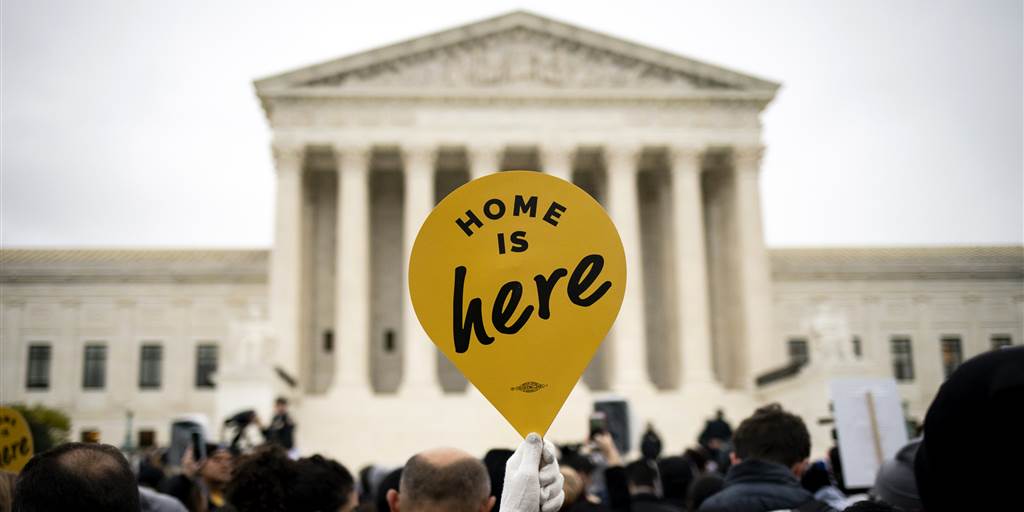
For nearly 30 years, immigrants from ten countries have been guarded by the “temporary protective status” program and allowed to live in the United States. In 1990, Congress established an Immigration Act under President George H. W. Bush. This legislation granted, “Temporary Protective Status (TPS) to foreign nationals from nations experiencing excessively difficult living conditions but who do not qualify as refugees. These conditions may be borne from natural disaster, political and economic instability, or violent conflict” (Leblang et al., 2019). This program has been a blessing for many immigrants who needed to escape emergency situations within their home countries. However, President Trump has argued that since these conditions are no longer imminent, those who immigrated to the US for these purposes should return home. 

On Monday, the Ninth Circuit United States Court of Appeals ruled that President Trump’s decision to end legal protections for immigrants with “temporary protective status” was constitutional. Essentially, these individuals will be legally forced to leave the country and are subject to deportation if they do not comply. The rule does not apply immediately. Immigrants will be given until at least March of 2021 to leave the United States. It is unlikely, however, that the plaintiffs will accept the decision. They will most likely seek review, giving the case the potential to come before the Supreme Court. Additionally, if a new President were to take office in November, prior to the March 2021 deadline, they could choose not to enforce the deportation order. 

If enforced, the repeal of temporary protected status for these nearly 400,000 immigrants could prove problematic for a number of reasons. First, many of these people have lived in the United States for decades and the United States feels more like home than their origin countries. These individuals have built lives for themselves, made friends, and fit into the cultural makeup of the United States. Second, deporting immigrants could lead to family separation for about 200,000 children with United States citizenships. Third, according to the United States Chamber of Commerce, many industries are currently primarily supported by immigrant laborers. Removing this large portion of the workforce could have adverse effects on the United States economy. Lastly, the Court’s decision itself sets the precedent that the federal government has the ability to decide when it is safe for immigrants to return to their home country and the ability to force them to leave, with the looming threat of deportation, whenever the American government sees fit (Jordan, 2020). 

Jordan, M. (2020, September 14). 400,000 Immigrants Can Be Forced to Leave the U.S., Court Rules. Retrieved September 19, 2020, from https://www.nytimes.com/2020/09/14/us/immigrants-temporary-protected-status.html

Leblang, D., Helms, B., Iadarola, A., & Satpathy, A. (2019, January 17). Temporary Protected Status and Immigration to the United States. Retrieved September 19, 2020, https://www.cato.org/publications/research-briefs-economic-policy/temporary-protected-status-immigration-united-states

Presidential Candidates Under Question of their Mental Fitness?

Analysts from CNBC and Change Research has polled over 4,100 likely general election voters between the days of September 4th through September 6th. The results show stunning conclusions which depict the true belief of the American people have for both candidates. The majority of the American voters surmise that Joe Biden, the presumptive Democratic nominee, and President Donald J. Trump are both mentally unfit to be President of the United States. Key findings from the poll had revealed startling information which has stated “The mental and physical fitness of both candidates has been brought up in various ways during their campaigns and majorities of likely voters believe that both men are mentally unfit: 55% of likely national voters, 51% of likely battleground voters say Trump is mentally unfit to be President. 52% of likely national and battleground voters say Biden is mentally unfit to be President“(CNBC, 2020).

Explanations may suggest this outcome to be a survey which showcases the polar partisan dilemma that our nation has exacerbated throughout every election cycle. However, this scenario in particular is especially interesting with the consideration of Joe Biden’s central argument to his 2020 campaign revolving around electability and how the “only thing that should matter to Democrats is nominating someone who can beat him” (Cillizza, 2020). Regardless, this inclusion of variables are sure to not only create one of the most peculiar election races of American history, but as the results show, it is also to be one of the most disappointing.

Americans Support Vote-By-Mail Despite Trump’s Disputes

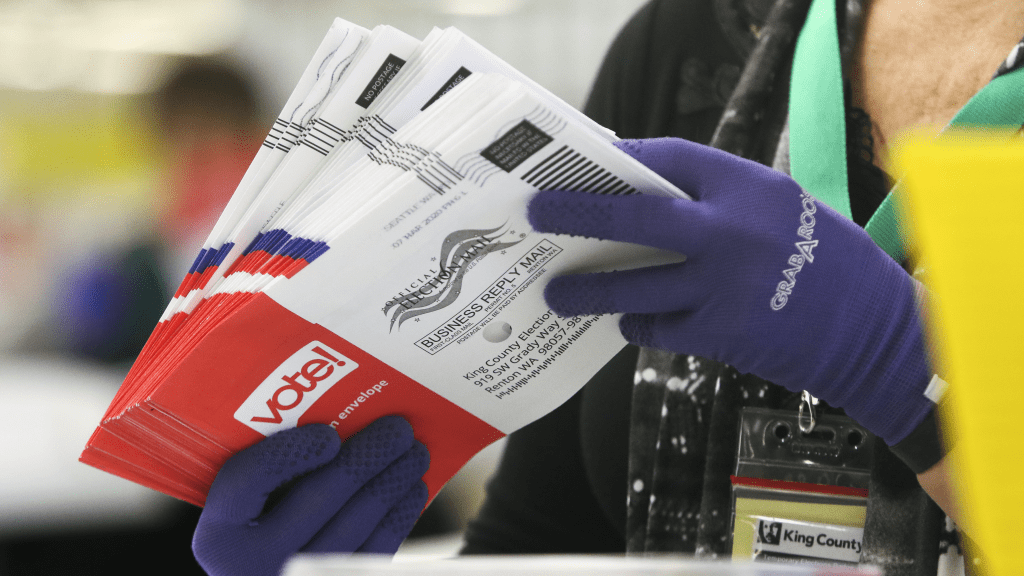
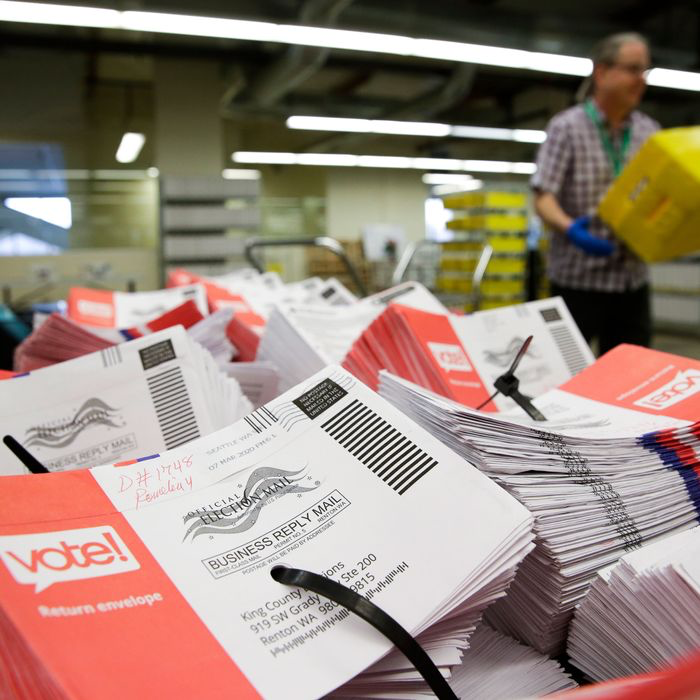
There has been heavy discussion on the accuracy and necessity of voting by mail over the past couple of weeks. President Trump has raised his doubts on the legitimacy of voting by U.S. mail. As it turns out, 73% of Americans are in support of voting by mail for elections.

A poll from the Washington Post and University of Maryland reveals that three quarters of U.S. citizens feel that fear of contracting COVID-19 should qualify as reasoning to vote by mail. As coronavirus cases are persisting, Trump is pushing the elimination of voting via mail.

Trump has expressed his discontentment with voting by mail for the past couple of months once election polls began rolling in. Trump’s advocacy for in person voting began while Democratic Presidential nominee Joe Biden is currently leading the polls.

“Mail ballots, they cheat,” Trump said at the White House in August. “Mail ballots are very dangerous for this country because of cheaters. They go collect them. They are fraudulent in many cases. They have to vote. They should have voter ID, by the way.”

States vary on the acceptance of voting in by mail. Most states allow for all voters to request a mail ballot, while some require an excuse, and others primarily vote through mail.

Voting methods are generally dealt with by state officials which seems to be working as voters want to keep voting by mail an option. With COVID-19 numbers fluctuating, voting by mail seems to be a sustainable option for all.

Check your states voting method options here.

Updated Status on Arizona’s Unemployment System and Funds

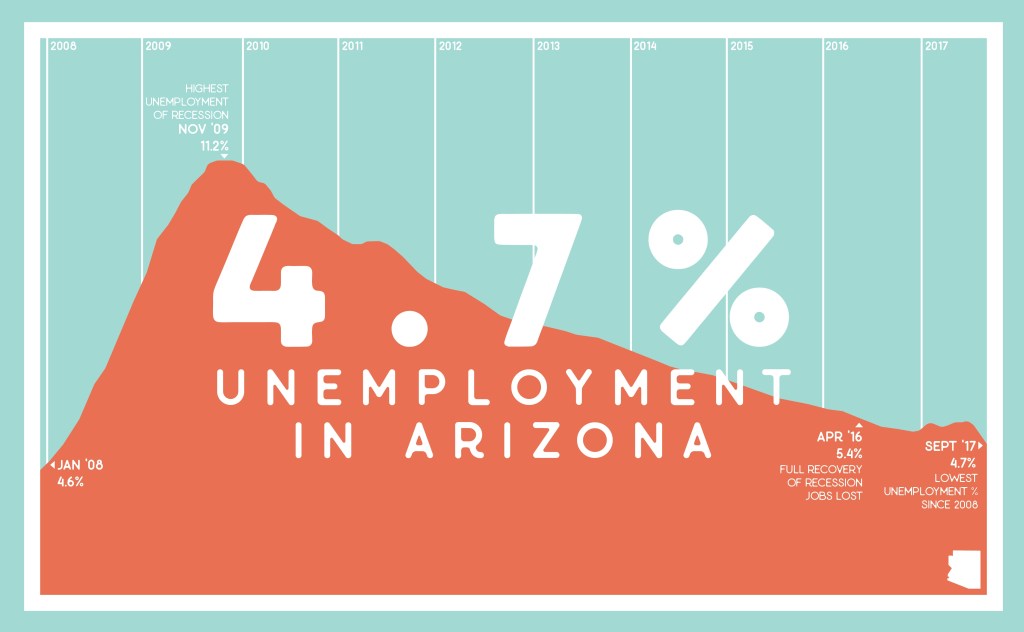
As Congress returned September 8 from its month-long recess in August, Arizona’s unemployment system is running out of money. The CARES Act expired on July 31, 2020 and, amid its expiration, the Arizona Department of Economic Security (DES) and Governor Doug Ducey implemented the Lost Wages Assistance (LWA) program in its place.

In short, LWA provides financial assistance to eligible Arizonans that amounts to $540 a week, $300 of which comes from grant funding from the Federal Emergency Management Agency (FEMA). LWA was launched under presidential executive order and was first implemented in the state of Arizona on August 17, 2020. Arizonans eligible for the $540 a week provided by LWA must be fully or partially unemployed due to the COVID-19 pandemic and currently receiving unemployment benefits from one of the following programs:

  • Extended Benefits (EB)
  • Pandemic Emergency Unemployment Compensation (PEUC)
  • Pandemic Unemployment Assistance (PUA)
  • Shared Work (SW)
  • Trade Readjustment Allowances (TRA)
  • Unemployment Compensation for Ex-Servicemembers (UCX)
  • Unemployment Compensation for Federal Employees (UCFE)
  • Unemployment Insurance (UI)

The LWA programs remains until one of the following occur:

  • Due to COVID-19, enactment of federal legislation providing supplemental federal unemployment compensation, or similar compensation, for under- or unemployed individuals
  • The $44 billion in the Disaster Relief Fund designated for the LWA program is exhausted
  • The benefit week ending December 5, 2020 is reached
  • The Federal Disaster Relief Fund Balance reaches $25 billion

As per the DES, the LWA program is predicted to run out of funds in the next two weeks (from September 7, 2020). ABC15 reported in August that researches from Grand Canyon Institute hypothesized a five (5) week time span of additional benefits from the LWA program — which is proving to be an accurate estimate. DES director, Michael Wisehart, revealed in a press conference on Wednesday, September 2:

We’re spending about $50 million per week from the unemployment insurance trust fund…We’ve got about eight weeks or so of solvency left in the state trust fund.

– DES Director Michael Wisehart

Arizona’s trust fund began at $1.1 billion dollars; according to Wisehart, funds from the state trust fund have diminished to $400 million.

“It Will Take Place With or Without Covid”: Japanese Officials Push for 2021 Olympics

On Monday, International Olympics Committee Vice President John Coates told Agence France-Presse that “these will be the Games that conquered COVID, the light at the end of the tunnel.”

IOC Vice President John Coates speaks at press conference about plans for the 2021 Tokyo Olympics

“It will take place with or without COVID. The [Tokyo] Games will start on July 23 next year,” Coates shared. Many Japanese and International Olympics Committee Officials have stressed that the 2021 Olympics will happen no matter the circumstances of the virus.

The Tokyo Olympics were originally scheduled a couple of weeks ago in July 2020 but were pushed back one year due to COVID-19. Organizers are encouraged at how other sports are handling their seasons such as the NFL and the NBA.

 An organized task force created by Tokyo 2020 had its first meeting Friday about coordinating efforts against the coronavirus. It highlighted the many issues that would need to be handled if the virus is still active. This includes testing regimes, behavior rules in the Olympic Village, and protocol on handling an outbreak among athletes and staff.

The Tokyo Olympics are on track for July 23rd through August 8th of 2021.

Here’s What to Look for on California’s November Ballot

Prop 14: Stem Cell Research Institute Bond Initiative of 2020 

As of 2004, California is a leader in cutting-edge stem cell research. The purpose of Proposition 14 is to provide $5.5 billion in bond funding to develop treatments and cures for diseases like cancer, diabetes, heart disease, lower respiratory diseases, kidney disease, Alzheimer’s, Parkinson’s, spinal cord injuries, blindness, ALS, HIV/AIDS, multiple sclerosis, schizophrenia, depression, and autism. Out of this amount, $1.5 billion will be dedicated to addressing brain and central nervous systems conditions. 

Increased funding to this area of science is meant to allow more people to participate in clinical trials and to increase accessibility and affordability of potential cures. This initiative would also create jobs for Californians. It also establishes community care centers for the purpose of clinical trials and ensures that these centers are properly geographically distributed to promote equitable access. Bond payments will not begin for a minimum of five years post-implementation. The funding schedule is “designed to create a positive tax revenue stream for the state of california during the first five calendar years following the voters’ approval of the initiative.” 

Prop 15: Tax on Commercial and Industrial Properties for Education and Local Government Funding Initiative

Proposition 15 notes that commercial and industrial property tax is a principal source of funding for education and community development. Historically, California has under assessed the value of commercial and industrial properties, allowing for owners to avoid over $11 billion in local taxes each year. If implemented, this legislation would provide increased stable revenue for schools, cities, and counties. 11% of the revenue will be allocated to community colleges. The remaining 89% of the funds will be used for school districts, charter schools, and county offices of education. This ballot measure only applies to taxable commercial and industrial property. This means that residential property is exempt, homeowners and renters will not be affected, and there is no alteration to the taxation of agricultural land. 

Prop 16: Repeal Proposition 209 Affirmative Action – Repeal of Section 31 of Article 1 of the California Constitution

Proposition 16 states that, “The State shall not discriminate against, or grant preferential treatment to, any individual or group on the basis of race, sex, color, ethnicity, or national origin in the operation of public employment, public education, or public contracting.” This clause originally applied to not only the “State,” but also the city, county, public university system (including the University of California), community college district, school district, special district, or other political subdivisions. Despite the changes made by repealing Proposition 209, state and federal measures in place will still guarantee equal protection and prohibit unlawful discrimination. The main goal and purpose of the ballot measure is to “allow diversity as a factor in public employment, education, and contracting decisions.”

Prop 17: Voting Rights Restoration for Persons on Parole Amendment – Amend Section 2 and Section 4 of Article II of the California Constitution

Proposition 17 will amend Section 2 and Section 4 of Article II of the California Constitution. According to the language of the measure, individuals serving in a state or federal prison are disqualified from voting during their sentence. However, “their right to vote [is] restored upon the completion of their prison term.” Section 4 originally disqualified electors from voting while, “imprisoned or on parole.” If the measure passes, this section will be amended to allow individuals to vote while on parole but not while “serving a state or federal prison term” for a felony conviction. Essentially, this amendment would expand voting rights for former felons. 

Prop 18: Primary Voting for 17-Year-Olds Amendment – Amend Section 2 of Article II of the California Constitution

Proposition 18 part (a) refines the language to say that citizens who are 18 years of age and residents of the State may vote. A second part is also added to this article, allowing 17 year old State residents to vote in any primary or special elections as long as they will be 18 years of age by the time of the next general election. 

Prop 19: Property Tax Transfers, Exemptions, and Revenue for Wildfire Agencies and Counties Amendment – Add Section 2.1, Section 2.2, and Section 2.3 to Article XIII A of the California Constitution

Proposition 19 limits the potential for property tax increases on the primary residence of senior citizens, disabled people, and natural disaster victims. It also protects the right of individuals to pass their family homes on to their children or grandchildren while eliminating unfair tax loopholes used by wealthy individuals to avoid paying property taxes on secondary properties such as vacation homes and beach rental homes. 

Section 2.2 dedicates the revenue towards fire protection and emergency response. It also establishes a California Fire response fund within the State Treasury. 20% of these funds go towards the Department of Forestry and Fire Protection to fund fire suppression staffing. The remaining 80% of the funds go towards the Special District Fire Response Fund. Implementation of this proposition has the potential to increase local government revenue via property taxes. 

Prop 20: Criminal Sentencing, Parole, and DNA Collection Initiative

The purpose of Proposition 20 is to restrict parole for non-violent offenders and authorize felony sentences for certain offenses that are currently treated as misdemeanors. If successful, the initiative will reform the parole system so that violent felons will not get early release, restore accountability via theft law reform, and expand DNA collection from convicts. Section 4 states that when inmates are released, specific demographic information and tracking details will be collected from them and entered into a database made available to law enforcement agencies. This section also clarifies what constitutes a violent felony offense and expands the definition. 

Section 5 discusses the requirement that individuals arrested for felonies shall provide buccal swab samples, right thumbprints, and a full palm print impression of each hand, and any blood specimens or other biological samples required. While that standard is being maintained, the process of DNA collection will also be extended to individuals (excluding juveniles) who are convicted of or plead guilty to misdemeanors. 

The following section defines shoplifting as entering a commercial establishment with the intent to steal retail property or merchandise where the value of the property taken does not exceed $950. Section 7 lists the following as offenses that may be punishable by imprisonment in county jail: repeated petty theft, shoplifting, grand theft, burglary, carjacking, robbery, crime against elders, unlawful driving/taking of vehicles, forgery, unlawful sale/use of an access card, unlawful forgery of access cards, and identity theft.

Prop 21: Local Rent Control Initiative 

Proposition 21 introduces the “Rental Affordability Act.” Its purpose is to allow cities and counties within California to implement rent control policies as they see fit and in the process reduce the amount of evictions, displacement, and homelessness. Barring external provisions of law, this measure gives owners of residential property the right to establish rental rates provided that they satisfy requirements such as having a residential certificate of occupancy issued in the last fifteen years. Additionally, it states that if a tenant voluntarily vacates, abandons, or has been evicted, the owner may increase rent no more than 15 percent over a subsequent 3 year period. 

Prop 22: App-Based Drivers as Contractors and Labor Policies Initiative

Proposition 22 notes that app-based independent contractors deserve economic security and healthcare coverage. Article 2 identifies app-based drivers as independent contractors. App-based driving networks do not set the shift times or lengths. There are no restrictions against individuals working for more than one app-based driving service and/or a non-driving job. 

There is also an earning floor set to ensure that drivers are receiving fair compensation. Article 4 indicates that the networks will be required to provide quarterly healthcare subsidies to their independent contractors. Those who work 25 hours or more per week during the quarter will receive 100% of the average ACA contribution for the applicable monthly Covered California premium each month. Article 5 prohibits termination of contracts based on discriminatory factors such as race, sex, and gender. Independent contractors will be required to undergo safety training that involves topics such as driving safety, DUI, speeding, sexual assault, misconduct, and food safety for delivery drivers. 

Since app-based driving is a cross-jurisdictional service, Section 7 gives the State responsibility for the following: compensation and gratuity, scheduling, healthcare, drivers licenses, and workers rights. 

Prop 23: Dialysis Clinic Requirements Initiative

Proposition 23 requires that chronic dialysis clinics do not discriminate on the basis that a payer is an individual patient, private entity, insurer, Medi-Cal, Medicaid, or Medicare. Second, it mandates that all chronic dialysis clinics have one licensed physician present at all times to oversee patient treatment. In the case that the region has a shortage of licensed physicians able to assist, the department may make exceptions. To ensure transparency and accountability, each dialysis center must submit a quarterly report detailing information such as dialysis clinic health care associated infection data. The cost of implementing this act would likely be tens of millions of dollars per year. However, the measure explicitly states that California taxpayers should not be financially responsible for the implementation and enforcement of the act.

Prop 24: Consumer Personal Information Law and Agency Initiative

Proposition 24 would implement the California Privacy Rights Act of 2020. In 1972 the California Constitution was amended to include the right to privacy as an inalienable right. In 2018, the California Consumer Privacy Act was passed to allow California consumers the right to learn what information a business has collected about them, to delete their personal information, and to stop businesses from selling their information. 

The initiative states that businesses that control the collection of a consumer’s personal information shall inform consumers of the categories of information being collected and whether it is being sold, if the business collects sensitive personal information, and the length and time the business intends to retain the information for. Prop 24 also requires that consumers have two or more ways to submit requests for information. Additionally it outlines specific rules for notifying, disclosing, correcting, or deleting information. Despite these privacy protections, there are exemptions for consumers’ requests to delete information if a law enforcement agency requires the information for an investigation 

Prop 25: Replace Cash Bail with Risk Assessments Referendum

Proposition 25 would implement Senate bill 10 which aims to repeal cash bail and replace it with risk assessments. Article 1 allows for the preventive detention of pretrial defendants as long as the conditions comply with the existing state and federal Constitutions. It defines risk as, “the likelihood that a person will not appear in court as required or the likelihood that a person will commit a new crime if the person is released before adjudication of his or her current criminal offense.”

The initiative requires that Pretrial Assessment Services obtain the following information prior to the court date: results of the risk assessment, criminal charge for which the person was arrested, criminal history, and history of court appearances in the last 3 years. A person who has been assessed as having a low risk to public safety and a low risk of failing to appear in court will be released, “on his or her own recognizance, without review by the court.” Those with medium risk still have potential for release. Individuals assessed to have high risk will not be released from custody. The release status of the defendant can be altered at any time if new evidence comes to light about the origin of the crime being violent or associated with a threat of violence. 

This proposition is likely to increase state and local costs for adopting the new release process. However, these costs may be offset by the decrease in county jail costs due to the decrease in the number of defendants in custody. 
Temporary Eviction of Statewide Evictions: CA Gov. Newsom Signs Statewide Tenant and Landlord Protection Bill

California Governor Gavin Newsom signed into effect legislation AB-3088 to halt evictions of tenants and foreclosures on landlords who have been economically affected by the COVID-19 pandemic. As characterized by Gov. Newsom, AB-3088

…protects tenants from evictions for non-payment of rent and helps keep homeowners out of foreclosure as a result of economic hardship caused by this terrible pandemic. California is stepping up to protect those most at-risk because of COVID-related nonpayment, but it’s a bridge to a more permanent solution once the federal government finally recognizes its role in stabilizing the housing market. We need a real, federal commitment of significant new funding to assist struggling tenants and homeowners in California and across the nation.

California Gov. Gavin Newsom

The legislation mandates that tenants cannot be evicted before February 1, 2021 as response to unpaid rent amassed between March 4, 2020 – August 31, 2020 if the tenant declares a COVID-19 related economic hardship. For such hardship “that accrues between September 1, 2020 – January 31, 2021, tenants must also pay at least 25 percent of the rent due to avoid eviction” (Office of Governor Gavin Newsom, 2020). Tenants retain responsibility for paying unpaid rent to their landlords but cannot be evicted for such reason.

As for landlords, the legislation decrees that landlords may resume debt recovery on March 1, 2021 and may be done so through small claims court jurisdiction. Landlords’ failure to abide by the court evictions process will result in penalty. As per the Office of Gov. Newsom, additional protections for tenants include:

  • Extending the notice period for nonpayment of rent from 3 to 15 days to provide tenant additional time to respond to landlord’s notice to pay rent or quit.
  • Limiting public disclosure of eviction cases involving nonpayment of rent between March 4, 2020 – January 31, 2021.
  • Protecting tenants against being evicted for “just cause” if the landlord is shown to be really evicting the tenant for COVID-19-related nonpayment of rent.
  • Providing tenants a backstop if they have a good reason for failing to return the hardship declaration within 15 days.
  • Requiring landlords to provide hardship declaration forms in a different language if rental agreement was negotiated in a different language.
  • Requiring landlords to provide tenants a notice detailing their rights under the Act.

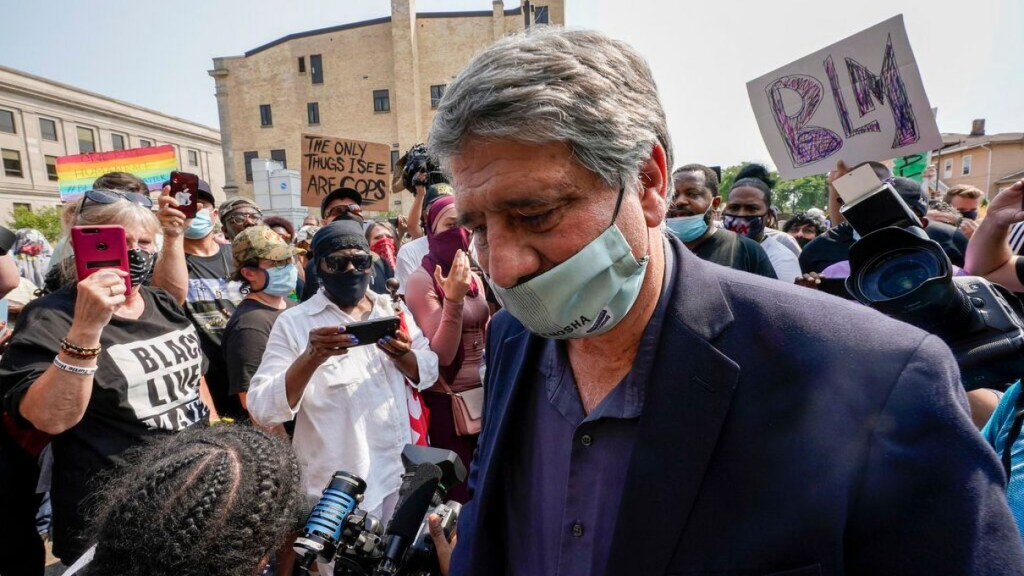
“Right now is a time for us to heal”: Mayor Antaramian declines to meet with Trump

President Trump will travel to Kenosha, WI on Tuesday, September 1st to examine destruction from protests due to the shooting of Jacob Blake.

“Realistically, from our perspective, our preference would have been for him not to be coming at this point in time,” Antaramian shared with NPR’s Weekend Edition on Sunday. “All presidents are always welcome and campaign issues are always going on. But it would have been, I think, better had he waited to have for another time to come.”

Antaramian feels that his city needs time to heal before proceeding with any political antics that Trump may bring with his visit. He shares that protests of Jacob Blake’s shooting have been peaceful, including a prayer vigil led by Blake’s family.

The protests became deadly when Kyle Rittenhouse, a 17-year-old Trump advocate opened fire on protestors on Tuesday. Rittenhouse is now facing six criminal counts including homicide.

Antaramian has shared his discontent with Trump’s lack of empathy with Blake’s family. His concern seems to be with the destruction in Kenosha from protestors. The mayor is not alone in his wishes for Trump to delay his visit. Wisconsin Governor, Tony Evans, wrote President Trump a two page letter expressing his wishes for Trump to postpone his visit.

Gov. Evans wrote, “I, along with other community leaders who have reached out, are concerned about what your presence will mean for Kenosha and our state,” Evers wrote. “I am concerned your presence will only delay our work to overcome division and move forward together.”

Blake’s family has declined to meet or talk with President Trump without attorneys present to which Trump refused.

House Subpoena Power Diminished by U.S. Circuit Court of Appeals

U.S. Circuit Court strikes down House Democrats’ attempt to compel former White House Counsel Donald McGahn (pictured above) to testify.

Last year, prior to the impeachment investigation of President Trump, House Democrats subpoenaed Donald McGahn, former White House Counsel. The House Judiciary Committee sought to examine McGahn’s role in the investigation regarding Russian intervention in the 2016 election. 

President Trump assured McGahn that Presidential advisers are immune to compelled Congressional testimony, sending a message to the public that the President and his Cabinet are above the law. The former White House Counsel’s continuous refusal to comply with the subpoena has led to a series of judicial rulings since then. 

On August 31st, in a 2-1 decision, the U.S. Circuit Court of Appeals dismissed the House Judiciary Committee’s lawsuit. They recognized the heavy weight that the decision may have on the House’s oversight capabilities. However, they found no existing statute that explicitly gives the House power to use subpoenas to compel individuals to testify before Congress. 

Monday’s ruling leaves the House with a couple of options. They could use the threat of criminal proceedings to pressure individuals into cooperating in oversight investigations, although this approach would be relatively unprecedented considering the Justice Department’s pattern of refusal to prosecute cases in which ex-White House officials were following suit with a President’s application of executive privilege. The second option is for the House to draft and pass legislation that authorizes Congress to compel testimony via subpoena. However, it is unlikely that House Democrats will be able to pass the bill, issue a new subpoena, and receive testimony from McGahn by the end of this Congress in January. In response to the Appellate Court’s decision, Speaker of the House Nancy Pelosi is seeking immediate review of the case, citing that, “If allowed to stand, this […] ruling threatens to strike a grave blow to one of the most fundamental Constitutional roles of the Congress: to conduct oversight on behalf of the American people, including by issuing our lawful and legitimate subpoenas.” Democratic leaders of the Judiciary Committee have also expressed that the ruling will, “undermine a critical constitutional check on the executive branch.”

Committee, House Judiciary. House Investigative Chairs Joint Statement on Court of Appeals Ruling in McGahn Case. (2020, August 31). Retrieved September 04, 2020, from https://judiciary.house.gov/news/documentsingle.aspx?DocumentID=3297

Gerstein, J., & Cheney, K. (2020, September 01). D.C. Circuit panel guts House subpoena power. Retrieved September 04, 2020, from https://www.politico.com/news/2020/08/31/dc-circuit-panel-kills-house-subpoena-power-406140

Hsu, S., & Marimow, A. (2020, August 31). Court dismisses House lawsuit seeking to enforce a subpoena of former White House counsel Donald McGahn. Retrieved September 04, 2020, from https://www.washingtonpost.com/local/legal-issues/court-dismisses-house-lawsuit-seeking-to-enforce-a-subpoena-of-former-white-house-counsel-donald-mcgahn/2020/08/31/c693ad3e-ebaf-11ea-ab4e-581edb849379_story.html

Polantz, K. (2020, August 31). House Democrats can’t subpoena former White House counsel, appeals court rules. Retrieved September 04, 2020, from https://www.cnn.com/2020/08/31/politics/democrats-mcgahn-appeals-court-subpoena/index.html

Political Campaign Ads: a Bizarre Trip Down Interesting Ads Lane

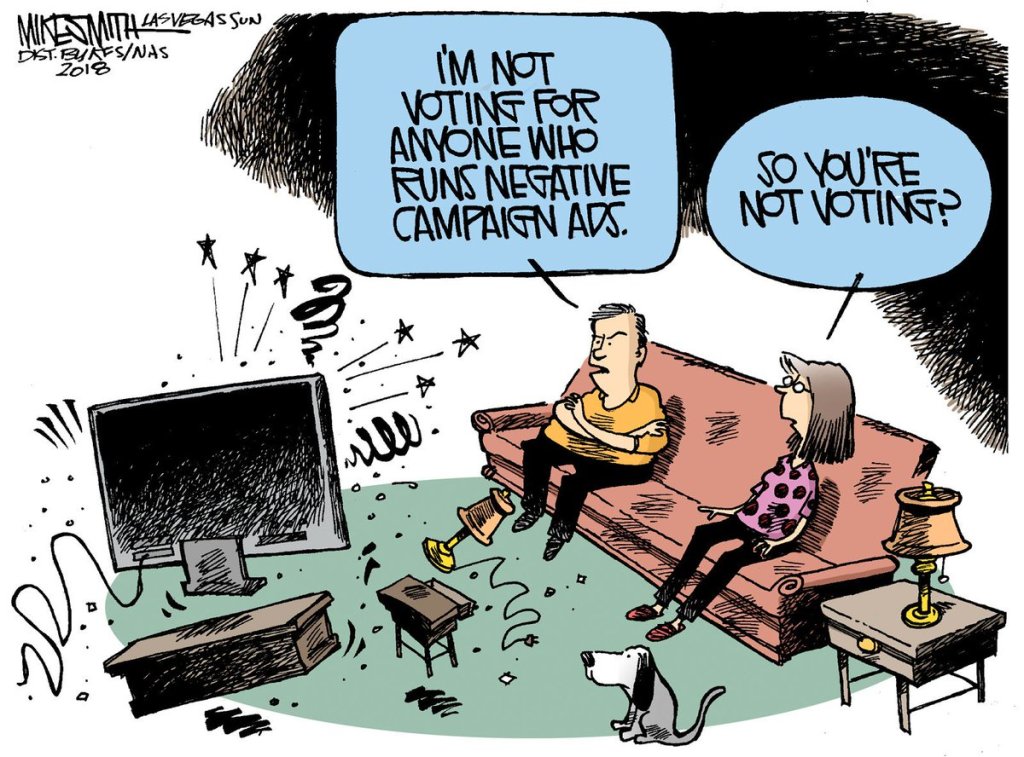
With the General Election quickly approaching, political advertising continues to gain momentum and do their part in affecting who will be elected president on November 3, 2020. 2020 has presented itself as quite a unique and unforgettable year, painted with a global pandemic, economic collapse, and national protests against systemic racism and police brutality. One might presume that the ads for the upcoming election will reflect all that 2020 has been characterized by; but with political campaign ads, you never truly know what you’re going to get until you’re on the couch absolutely shocked and baffled by the content of ads in between your favorite TV show. “Do whatever it takes to win” might be an understatement for some past and present political campaign ads, as some candidates take the best, worst, awkward, or undeniably terrible route in using ads as a winning mechanism. Take a look below for some interesting political campaign ads!

DONALD TRUMP’S 2016 AD AGAINST HILLARY CLINTON: “Dangerous”

Then Republican presidential nominee Donald Trump depicts a Clinton America as one with “ISIS on the rise…North Korea threatening…Iran promoting terrorism..” and a foggy, unclean environment that is cleared by Trump’s presence accompanied with sunshine. This particular ad paints Clinton in an unflattering, sickly light (or perhaps darkness). Moreover, it might have begged the question of, “Americans, do we want a president who sniffs and even worse…coughs?”

ERIC GREITENS’ 2016 AD FOR GOVERNOR OF MISSOURI: “Big Guns”

In this ad, Eric Greitens is a decorated military veteran running for governor of Missouri who is giving the people of Missouri what they want: To see him fire powerful weaponry as perhaps a way to paint himself as a conservative warrior who can handle high-caliber, machine guns (and maybe even do so amid ISIS leadership). The bigger the gun, maybe not always the better, as the NRA endorsed Greiten’s Democratic opponent.

TED CRUZ’S 2018 AD AGAINST BETO O’ROURKE FOR U.S. SENATE:

In the 2018 race for U.S. Senate in Texas, Senator Ted Cruz may have contributed positively to his Democratic opponent, Rep. Beto O’Rourke’s, campaign by sharing a video of O’Rourke speaking about holding law enforcement accountable. Referring to Botham Jean, an African American man shot in his own home by a police office who claimed to mistake his home for hers, O’Rourke shared, “”How can that be just in this country? How can we continue to lose the lives of unarmed black men in the United States of America at the hands of white police officers? That is not justice. That is not us. That can and must change.” Although his Democratic opponent made what countless consider to be a valid point, Senator Cruz used the video to assert O’Rourke’s position against the police. Maybe a good tactic…maybe not?

THE NRSC’S AD AGAINST MARK KELLY: “He Just Gets Paid”

In this ad, Mark Kelly, Democratic nominee for the 2020 U.S. Senate in Arizona, faces scrutiny for allegedly allowing the Chinese Communist Party to invest in him and his companies. Despite the message being relayed to audiences, an astronaut can be seen having what looks like a good time in space. The ad asserts that “Mark Kelly doesn’t stop, he just gets paid.” In like manner, the astronaut doesn’t stop, he just keeps dancing!

Design a site like this with WordPress.com
Get started