Arizona Marijuana Legalization Initiative – Proposition 207 passed.

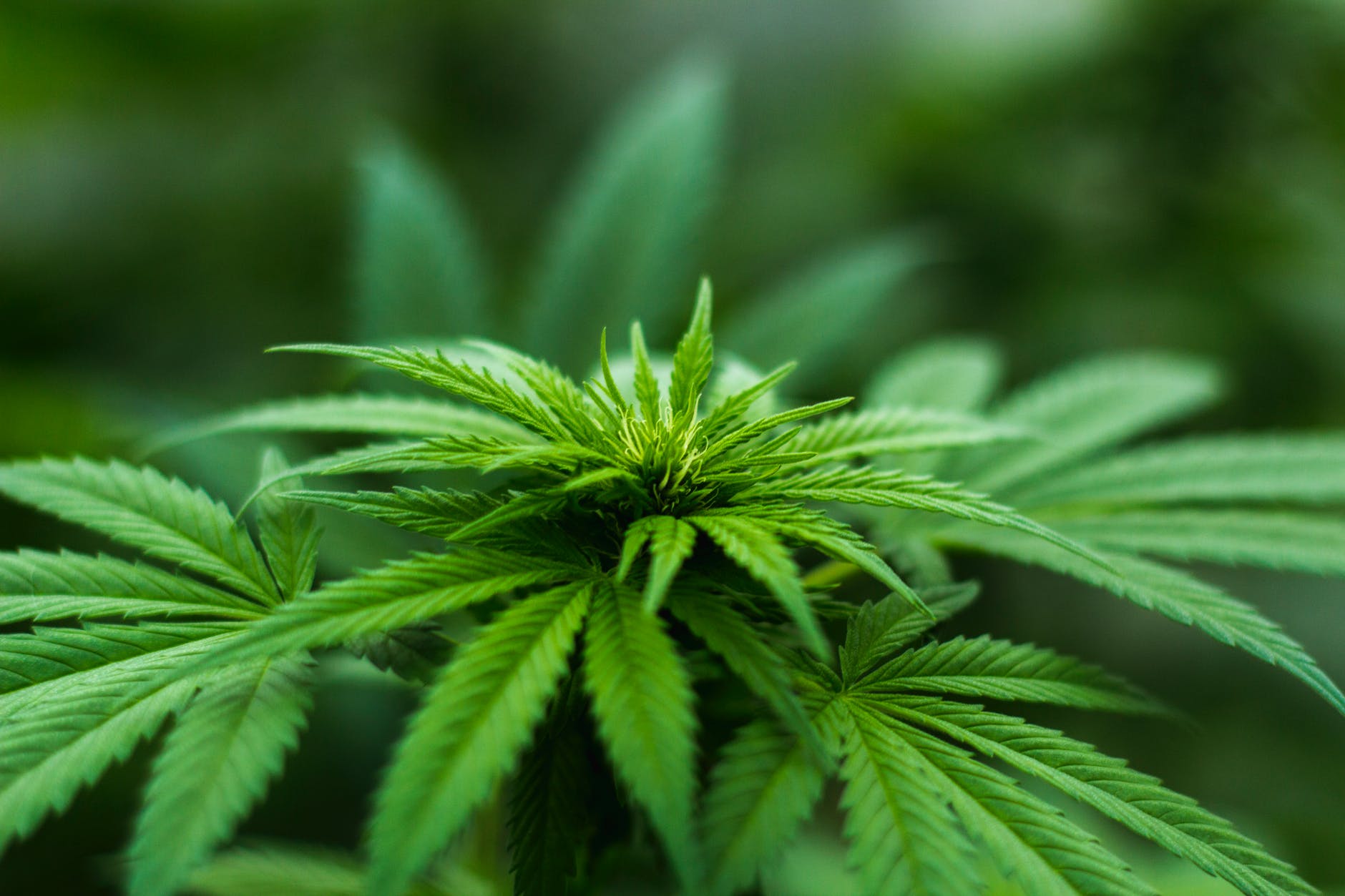
Photo by Michael Fischer on Pexels.com

The Marijuana Industry is the fastest growing industry in the United States. This lucrative industry is projected to be about $37 billion in sales by 2024. In 2016, Proposition 205 attempted to legalize recreational use of marijuana in Arizona but it did not pass. Proposition 207 was then introduced to this year’s ballot.  

 Key Points of Proposition 207

  • Permits limited personal use and possession of marijuana for individuals twenty-one years old or older.
  • Individuals can possess up to one ounce of marijuana and up to six marijuana plants per primary residence. 
  • However, individuals are prohibited from smoking marijuana in public or open spaces.  
  • The Department of Health Services will regulate and review marijuana licensed establishments and its agents.
  • The Medical Marijuana Fund, The Smart and Safe Arizona Fund, and a 16% excise tax on marijuana sales will fund public education, public health, highway safety, and justice reinvestment. 
  • Individuals with records relating to marijuana offenses will have the ability to petition the court and appeal for expungement. Note, this only pertains to certain offenses.

On November 3, 2020,  59.5% voted yes and recreational use of marijuana was legalized in the State of Arizona. Do you think voters made the right decision? Are there potential negative consequences being overlooked? Or is this good for the State of Arizona?
20 Israeli Crypto Executives Hacked

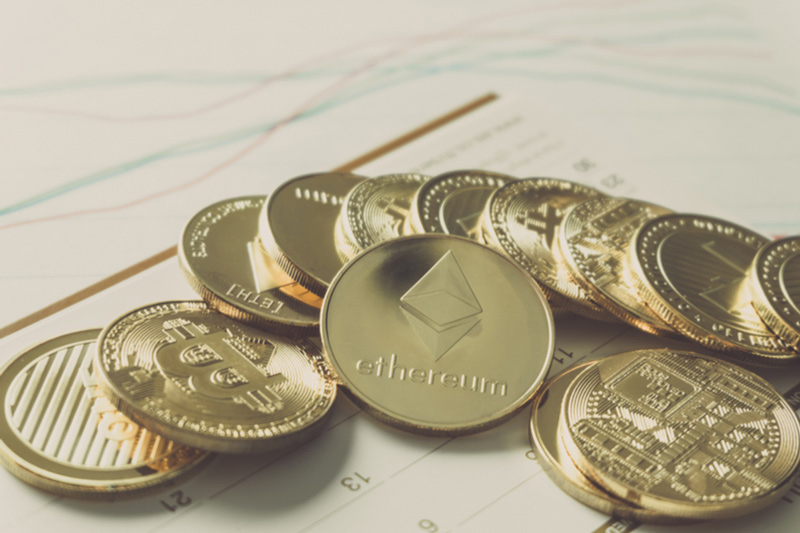
A huge cyber attack had recently occurred on October 6th within Israel, where about 20 Israeli Cryptocurrency Executives were asked to pay digital currency after their phones were hacked and their identities were stolen. The failed cyber attack took place at the beginning of September and was carried out by a sophisticated team that may have been state sponsored. It’s not clear who the hacker was or where the individual or team was based, but Pandora’s co-founder Zahi Ganot, said he suspects a criminal group with access to the SS7 network may have planned and mounted the attack from an unassigned switch in the infrastructure. The country’s intelligence agency, Mossad, and the Internal Security Service Shin Bet are now involved with the investigation. Tzahi Ganot, co-founder of a Israeli based security firm Pandora, explained how the entire operation had heavily relied on the use of their own SMS verification processes to obtain personal data. Ganot commented that “stealing a user’s SMS messages is not simple and isn’t supposed to be accessible to private individuals.” Hackers can exploit SS7 to intercept text messages and calls by using a roaming feature and “updating the location of their device as if it registered to a different network.”

Israeli Citizen Accused of Stealing Over $1.7 Million in Crypto By  Cointelegraph

The hacker had been registered as a requested client who claimed to be the Deputy Chief Financial Officer of a company and asserted that his mobile phone had been hacked over night, along with his Telegram accounts and other accounts. The hackers had then sent messages to his contacts from the infiltrated Telegram account and had asked people to send cryptocurrency. The operation successfully managed to breach into the accounts of 20 executives from Israel who all worked as CEOs or vice-CEOs of digital currency firms and clients of Partner, an Israeli telecom company. The culprits behind the attack had demanded that all 20 Israeli cryptocurrency executives pay digital currency to regain electronic access, and had also impersonated their victims on Telegram in unsuccessful attempts to lure close acquaintances into making crypto trades.

How Cities are Preparing for Life after November 3rd

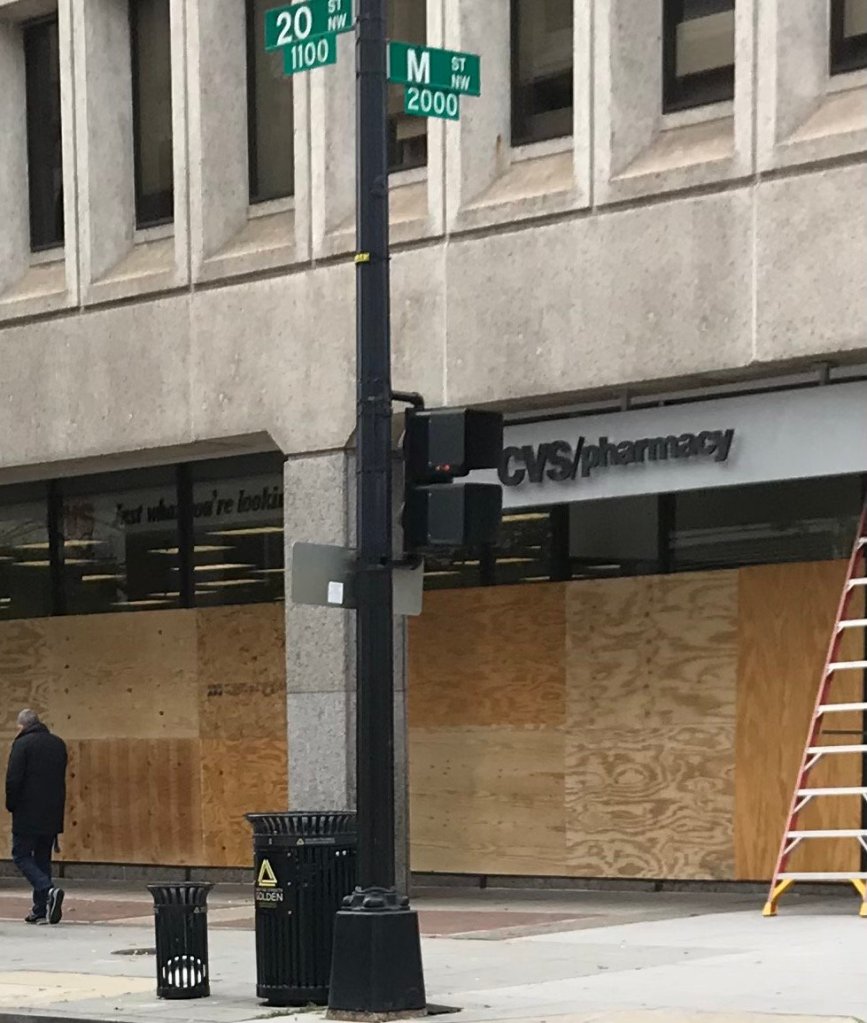
We are two days out from Election Day, and as voters continue to drop off their ballots and prepare for the possibility of a contested election, cities are preparing for chaos. No matter the election’s outcome, there are sure to be public demonstrations like we have seen in cities across the country over the last few months. State governments are preparing their police forces and taking preemptive measures such as reinstating curfews, boarding up businesses, and closing off streets, to minimize possible damage. 

Washington D.C.

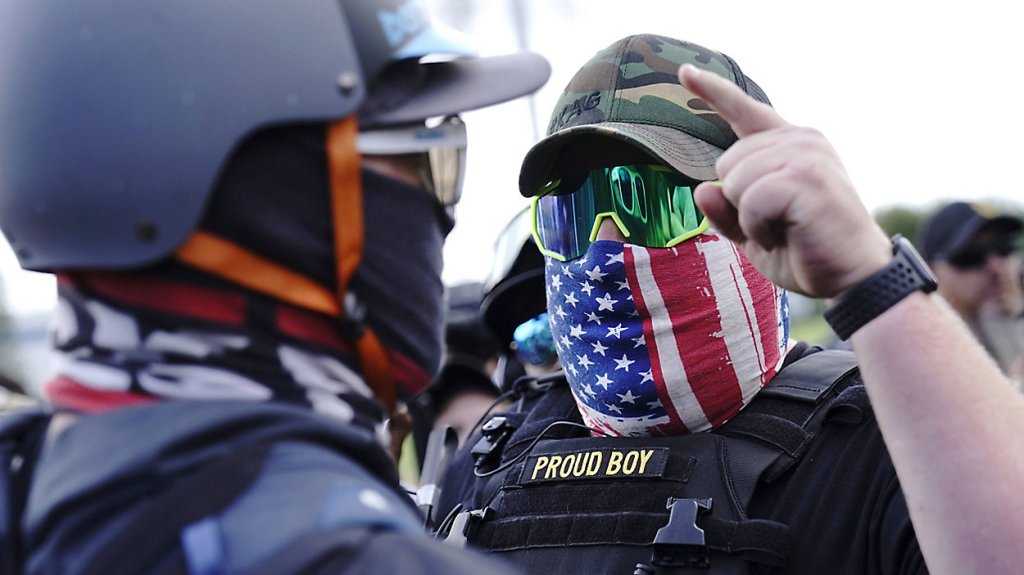
In Washington D.C., the police department has already spent $130,000 on tear gas canisters, and grenades and many cities are reinstating former officers. While there have not been any specific threats made, it is widely believed by Law enforcement officials and Politicians that violence will ensue after November 3rd. This raises a bigger question about the moral state of this country. The image above of a CVS boarded up four days before election day contrasts our democratic values. The current administration and the Democratic party are in a divisive war, where no compromise can be reached. 

Proud Boy threatening Democratic Protester

According to an op-ed piece from Politico, one in three American voters, Democrat and Republican, believe violence is justifiable to achieve their party’s particular goals. While protests and demonstrations have gone on since America’s inception, this country’s current state does not lead one to believe that these protests will occur peacefully. The countries current stance on policing will also come into play as officers attempt to “control” the anticipated crowds. This is shaping up to be one of the most historic elections this country has seen, with the lives and futures of the American people on the line.

5 States That Have Changed Their Voting Rules for 2020

Amid one of the most historic elections in U.S. History, voters and policy makers are now more than ever pushing change in the way we vote. These 5 states have either altered or are challenging voting rules in their region.

Americans adjust to new voting protocol due to COVID-19.

Arizona

In January, a “use it or lose it” bill was passed through Senate but not the full House that’s goal is to purge registered voters who have not voted for two consecutive Presidential Elections. The bill was not passed and has not been revisited since its introduction.

Florida

Huge strides have been made in Florida as voters and the state push for felons to be eligible to vote (under conditions). Felons must be done with prison, parole, and probation in order to be eligible to vote. Florida’s Republican majority legislature stepped into the transformation by adding that the felon’s outstanding court fees must be paid off in order to register.

New York

New York State lawmakers passed a bill that allows New York voters 10 days of early access to the ballot box ahead of any special, primary, or general elections. New York lawmakers also passed a bill that allows for 16 and 17-year-olds to pre-register to vote.

California

The California Voter’s Choice Act is an act that was passed in 2016 but is rapidly being adapted and used by several counties in 2020. This bill was designed to mail every voter a ballot, expand early in-person voting, and allow any voter to cast a vote in any voting center in their county.

Fourteen new counties have adopted the system for the 2020 Election.

Georgia

Due to about 7,000 absentee ballots being rejected statewide in Georgia in 2018, a federal judge ordered election officials to stop rejecting absentee ballots due to mismatched signatures without giving voters the chance to change their mistakes.

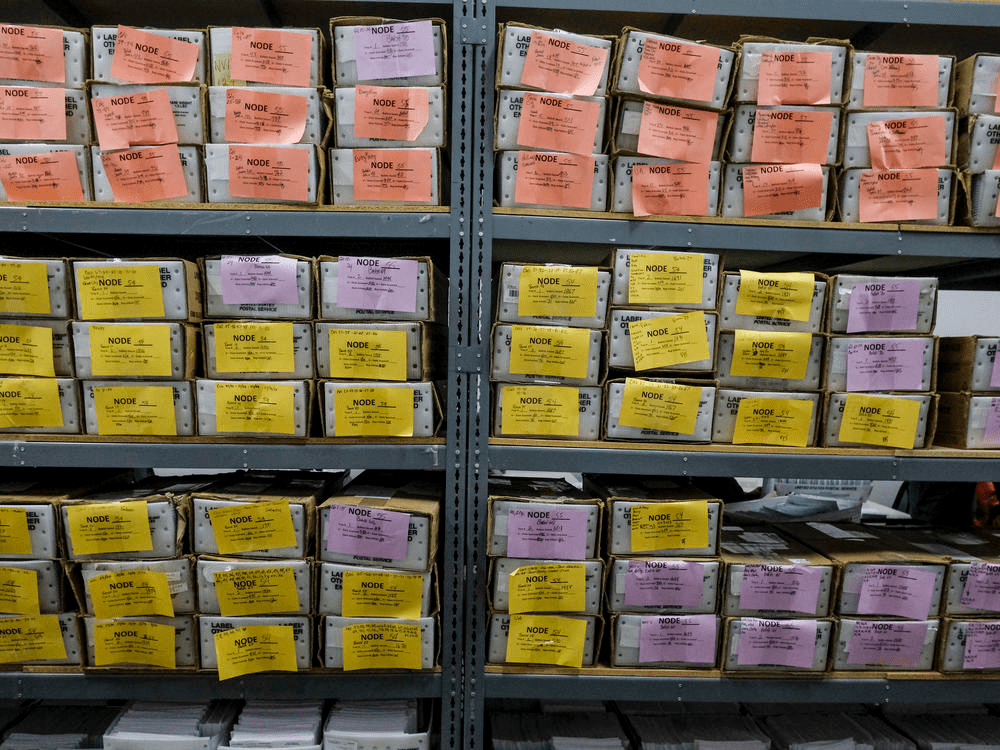
Gwinnett County, which is more than half African American, Latino/a, and Asian, rejected over 400 ballots due to fixable mistakes on the absentee ballot. The federal judge’s decision to prohibit rejecting absentee ballots will change Georgia’s voting statistics significantly.

Ballots held in Gwinnett County.

Now more than ever, it is essential to know your states voting procedures. For more on the 2020 Election, visit CIMA Law Group and CIMA Blog.

Ways to Succeed in the Real Estate Industry in 2021

Photo by Time Stoll

Earlier this year, many Americans faced economic uncertainty. Individuals were worried about the effects of Covid-19 and the possibility of a second wave. However, as the economy is starting to slowly recover the demand for housing is expected to rise. Ultimately, it will be essential for sellers to be able to reach potential buyers while still following state guidelines and restrictions. 

First and foremost, real estate companies must have or develop a solid video marketing campaign. Since everything is mostly online or remote, it is essential that pictures and virtual tours are easily accessible. Buyers are expecting to be able to view the property even if they can’t physically be there. If possible, companies should consider investing in drones; aerial photos and videos catch the buyer’s attention and can really help make the sale. 

Also, according to Forbes, millennials will make up a large portion of the housing market in 2021. Millennials will be the target audience so it is imperative that real estate companies are able to reach this audience and encourage them to buy homes. One of the best ways to reach millennials is by increasing your real estate company’s social media presence.

What other trends do you think will impact the Real Estate Industry in 2021?

Convicted Floridian Felons Allowed to Vote in 2020 Presidential Election: What It Could Mean on a National Level

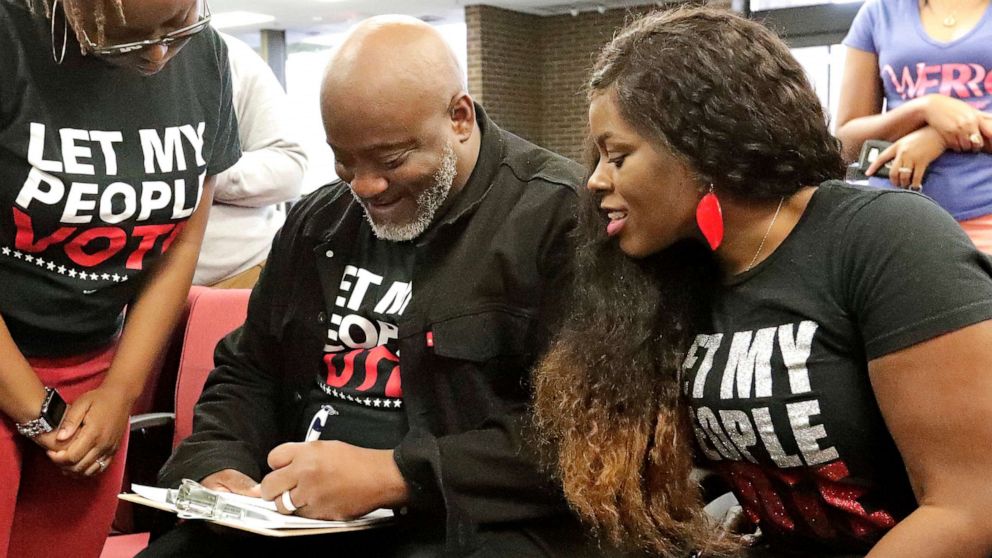
Former felon, Desmond Meade, fills out a voter registration form as his wife Sheena, right, looks on at the Supervisor of Elections office in Orlando, Fla.

Under Florida’s Amendment 4, convicted felons who have served their sentences are voting for the first time, an act that could potentially swing the 2020 presidential election. Amendment 4, the Voting Rights Restoration for Felons Initiative, was crafted to “automatically restore the right to vote for people with prior felony convictions, except those convicted of murder or a felony sexual offense, upon completion of their sentences. Sentences include prison, parole, and probation” (Florida Association of Counties, 2020).

The initiative, approved in 2018 with vast support, granted felons their right to vote in a state (Florida) which once disenfranchised convicted felons. According to Julie Ebenstein, a senior staff attorney with the American Civil Liberties Union’s voting rights project, approximately 1.6 million convicted felons in Florida who had completed their sentences were not allowed to vote. Furthermore, a federal appeals court ruled that convicted felons must pay the entirety of any expenses and fines before having their ability to vote restored.

A Tampa, Florida resident who has voted for the first time in 42 years shared that convicted felons who have served their time,

…live to vote and die trying to vote. My vote is just as important as theirs. My rights are just as important to me. I made some mistakes back in those days, I lost that right. But I paid my dues to society.

Clifford Tyson, Tampa, Florida resident pastor

Data shows that, despite a population of 21 million Floridians (over 7% of which are former felons), only 13 million people are registered voters in Florida. Thus, in the event the 1.4 million former felons registered to vote in Florida exercise their voting right, they would make up approximately 10% of voters in the state — possibly affecting the 2020 presidential election’s outcome. Florida being a swing state, its affect on the election is not an improbable one, as the state decided the 2000 presidential election between former Republican president George W. Bush and Democratic nominee Al Gore by fewer than 600 votes.

A Glimpse into California’s Proposition 17 – Voting Rights Amendment

Background and Summary of the Proposal: 

California’s State Constitution allows most U.S. citizens to vote, even individuals who are currently in county jail or county probation. But it prohibits individuals who are in state prison or on state parole to register to vote. Proposition 17 will amend the State Constitution and enable individuals on state parole to register to vote. It is important to note that this amendment does not pertain to people who are still in state prison. 

Possible Outcomes of Proposition 17: 

  • It will technically allow state parolees to run for elective offices if they meet the other requirements. 
  • Increase annual county costs 
  • Increase one-time state costs to update the voter registration system. 
Supporters 
Sen. Kamala Harris 
Sen. Holly Mitchell 
Sen. Steven Bradford
Sen. Scott Wiener
Assemb. Rob Bonata 
Assemb. Wendy Carrillo
California Democratic Party 
Opposition 
Sen. Jim Nielsen
Republican Party of California

Do you support or oppose Proposition 17? Should state parolees have the right to vote? Is the increased annual cost worth expanding the voting rights to state parolees?

What Amy Coney Barrett’s Confirmation Means for Our Future

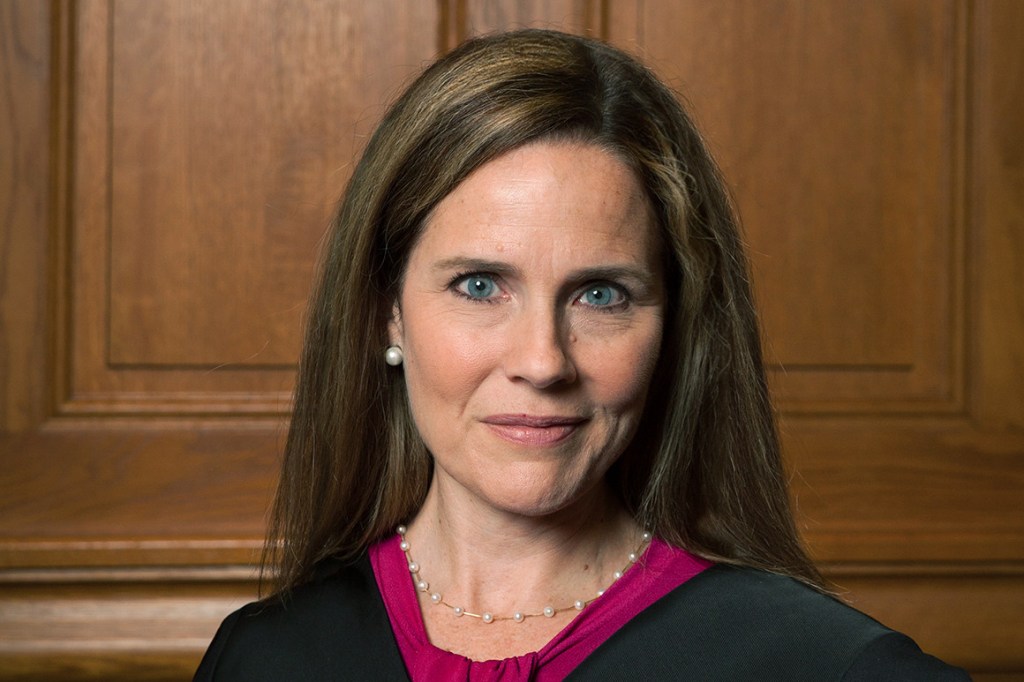
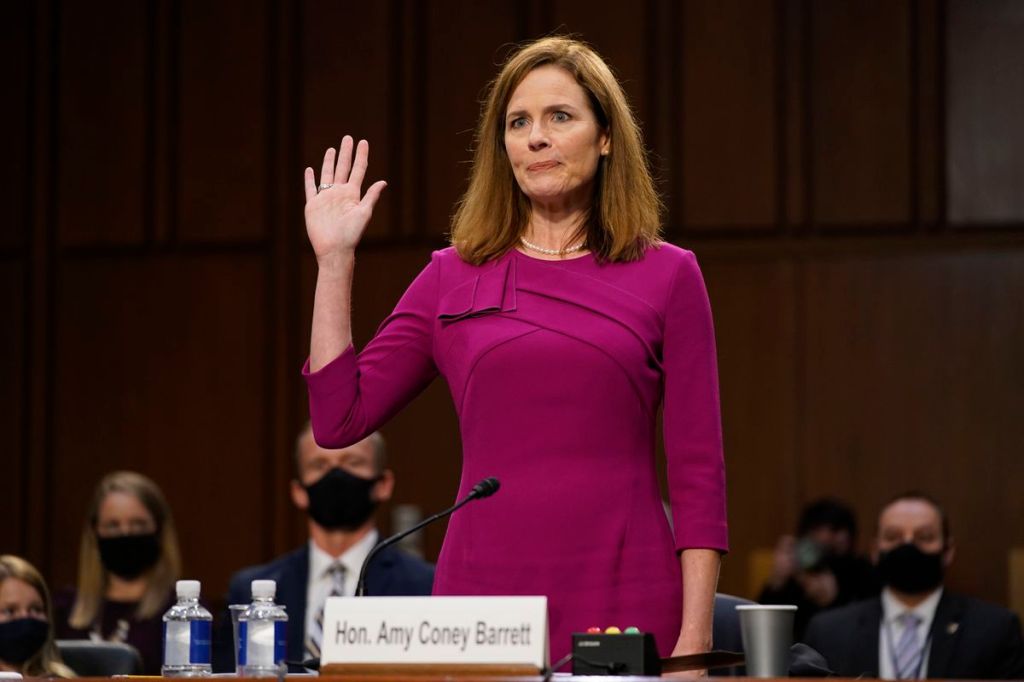
As the election draws closer, President Trump has wasted no time filling the empty seat on the Supreme Court. After the passing of the great Justice Ginsburg, the President appointed judge Amy Coney Barret to fill her spot. She is set to be confirmed by the Senate this Monday, and people are worried about this potential justices stance on critical issues.

By her admittance, Amy is a conservative Catholic, and while she is entitled to her belief system, this will allow the Supreme Court to lean towards conservative rulings. In her confirmation hearing, Barret admitted to being “unashamedly pro-life.” She was then praised by Senator Lindsey Graham, who said her confirmation would be a “breakthrough for conservative women.” This calls into question her ability to separate her faith from her rulings, not only in the case of reproductive rights but death sentences and LGBTQ+ rights. 

If she is appointed on Monday, Amy Coney Barret could also handle a case that could determine this election’s outcome. There has been a debate over whether or not ballots should be counted after Election Day in the battleground state of Pennsylvania. Republicans object to this idea hoping to secure the 20 electoral college seats. If Amy joins the court, there will be a 6-3 conservative majority, and many Democrats are worried about what this could mean for late ballots. Bar her accomplishments as an attorney, student, and judge, Barret’s conservative stance, and relationship with the President have many people questioning her ability to be an impartial justice.

Trump VS Biden: Presidential Debates Conclude

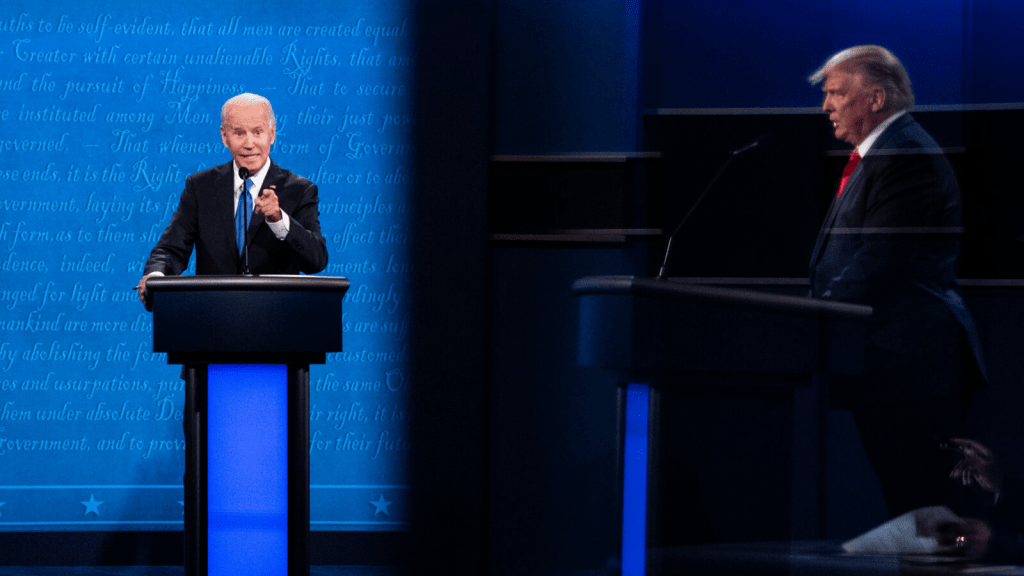
The Presidential debates concluded on October 22nd after two interesting debates and two different Town Hall’s interviewing both Presidential nominees, incumbent Donald J. Trump and Joe Biden.

The first debate was highly discussed after its airing on September 29th. Many viewers discussed Trump’s personal attacks on Biden’s family, his interruptions, and suggestions of microphone muting.

The first debate was hosted by Fox News’ Chris Wallace, the second debate instead were two separate Town Halls held for each nominee, and the third and final debate was hosted by NBC’s Kristen Welker. Topics that were discussed include COVID-19, health care, immigration, relations with China and Russia, and the Supreme Court.

The polls post debate show that the U.S. is in favor of Biden at 52% and Trump at 42%.

Millions of votes are pouring in as Election Day is approaching quickly. Many are suggesting to drop your official ballot off at a voting station instead of mailing it in due to mailing delays.

For more on the 2020 Election, visit CIMA Law Group and CIMA Blog.

898K Americans Lose Jobs in 1 Months Time

As the election gets closer, the economy is not doing too well and many would even say it is on the brink. According to Columbia University, 8 million people are reported to have slipped into poverty since May, when federal aid dried up in the Coronavirus pandemic. Another analysis conducted by the University of Chicago, has reported 6 million out of the 8 million have slipped into poverty within the past 3 months. Lastly, a newly uncovered statistic has very recently discovered that 898k lay-offs have occurred only in this past month. This shocking report has beaten out the previous record of approximately 800k jobs lost within the span of a month occurring back in the the subprime mortgage crisis and the great recession in 2008. Ultimately suggesting validity to a census survey data which shows that a whopping 32% of Americans believe they are “very” or “somewhat” likely to face eviction in the next two months.

COVID-19 Crisis: Political and Economic Aftershocks - Foreign Policy  Research Institute

This is at a time where Congress has not gotten a stimulus agreement between the 1.8 Trillion dollar deal put forth by President Trump and Secretary of the Treasury Steve Mnuchin. As the days steadily go by and with no real plan to address COVID substantively, the American people are about to enter an era to the likes that hasn’t been seen since the Great Depression. This claim can be backed by an estimate made by Analytical Homeless Expert Emily Benfer earlier this year in June, who had suggested that this rate of evictions may soon make 28 million homeless in the U.S. This poses a recipe for disaster with the consideration of 78% of workers living paycheck to paycheck before the COVID-19 outbreak and more than half of nationwide workers making a salary of 30k or less annually. The question now is, how will the U.S. government guide the country out of arguably the worst economic position it has ever been in.

Design a site like this with WordPress.com
Get started